
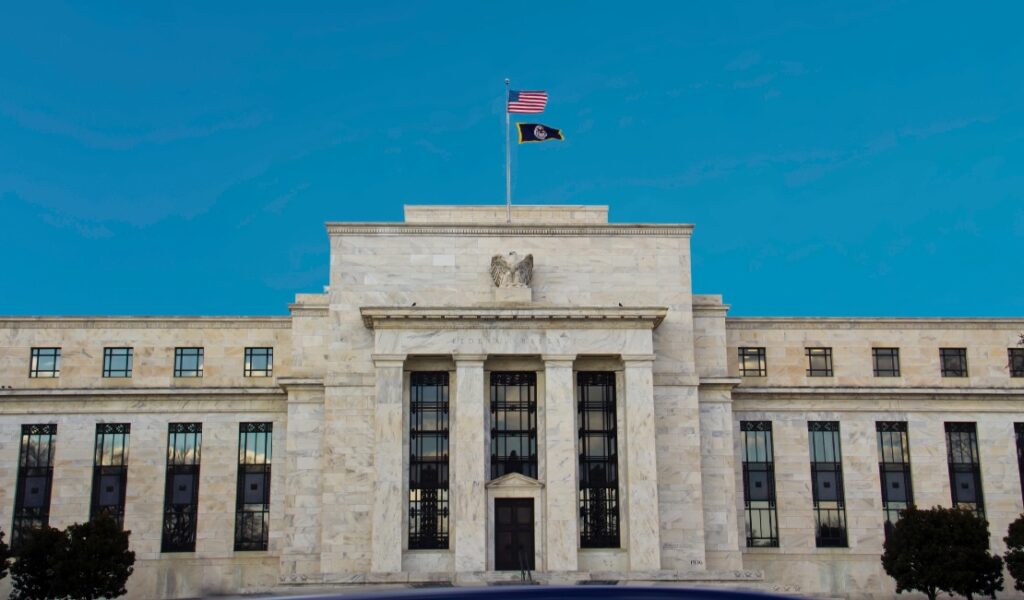
This analysis delves into the Federal Reserve’s prospective monetary policy decisions in 2026, scrutinizing the complex interplay of economic indicators and expert forecasts that could shape interest rate trajectories. Forecasters generally anticipate that core Personal Consumption Expenditures (PCE) inflation will slow to 2.2 percent by the end of 2025 and further ease to 2.1 percent by the end of 2026, bringing it very close to the Federal Reserve’s long-term 2.0 percent target (Burton et al., 2025, p. 10). This expected moderation is important because inflation is the Fed’s main guide for deciding when to adjust interest rates.
A steady return to the target range gives the central bank more freedom to discuss possible interest rate cuts in 2026 (Burton et al., 2024, p. 11). However, some inflation categories—especially shelter and housing costs—remain high and may delay the full achievement of the Fed’s target (Burton et al., 2023, p. 3).
Current Economic Landscape
Currently, the Federal Reserve has maintained the federal funds rate within a range of 5.25% to 5.5% as of March 2024, a decision influenced by inflation data exceeding initial expectations at the year’s outset (Wang, 2024, p. 44)
. This sustained restrictive stance aims to temper inflationary pressures, yet it also introduces complexities regarding potential economic deceleration as the impact of higher borrowing costs permeates various sectors of the economy. The effectiveness of current monetary policy in stabilizing the economy is crucial, particularly as employment, inflation, and long-term interest rates continue to fluctuate in response to ongoing economic and financial disturbances (韓國銀行, 2008).
Furthermore, the nominal neutral interest rate, estimated at 3.7 percent with a 68 percent coverage band from 2.9 percent to 4.5 percent as of Q2 2025, suggests that the current policy stance is definitively restrictive (Horn & Zaman, 2025).
Such a restrictive stance, characterized by elevated federal rates, has historically been a potent tool for central banks to influence production and price levels, leading to tighter financial conditions and a gradual decline in inflation (Banegas & Vides, 2025, p. 5).
The Federal Open Market Committee remains committed to achieving maximum employment and stable prices, guiding its policy decisions through transparent communication to facilitate informed economic decisions by households and businesses (韓國銀行, 2008).
Inflationary Pressures and Trends
Forecasters generally anticipate that core Personal Consumption Expenditures inflation will decelerate to 2.2 percent by the end of 2025 and further to 2.1 percent by the conclusion of 2026, aligning closely with the Federal Reserve‘s long-term target of 2.0 percent (Burton et al., 2025, p. 10). This projected moderation in inflation is critical for informing future monetary policy adjustments, as a sustained return to the target rate would provide the Fed with greater flexibility to consider rate reductions (Burton et al., 2024, p. 11). However, the persistence of certain inflationary components, such as shelter costs, poses a considerable challenge to achieving this target within the anticipated timeframe (Burton et al., 2023, p. 3).
How many Fed rate cuts are expected in 2026?
The outlook for rate cuts next year is less clear. Goldman Sachs Research forecasts that US economic growth will accelerate to 2-2.5% in 2026 because of reduced impact from tariffs as well as tax cuts and easier financial conditions.
Our economists expect these factors to boost job creation and stabilize the unemployment rate at a level only modestly above the 4.4% recorded in September this year.
Labor Market Dynamics
The U.S. labor market has been cooling slowly after several years of strong job growth. Key trends include:
- A decline in job openings
- Softer wage growth
- Higher workforce participation rates
- Slower hiring in service sectors
A more balanced labor market reduces wage-driven inflation. If this trend continues into 2026, it would support arguments for gradual rate cuts, as the Fed aims to maintain maximum employment without overheating the economy.
GDP Growth and Economic Activity
Economic growth in late 2025 and early 2026 is expected to remain moderate. Most economists project GDP growth to stay between 1.8% and 2.2%, which is near the long-run trend.
Factors influencing 2026 growth include:
- Slowing consumer demand due to high borrowing costs
- Softer business investment
- Stabilizing supply chains
- A slowdown in housing markets
If GDP growth weakens more than expected, pressure for rate cuts will increase.
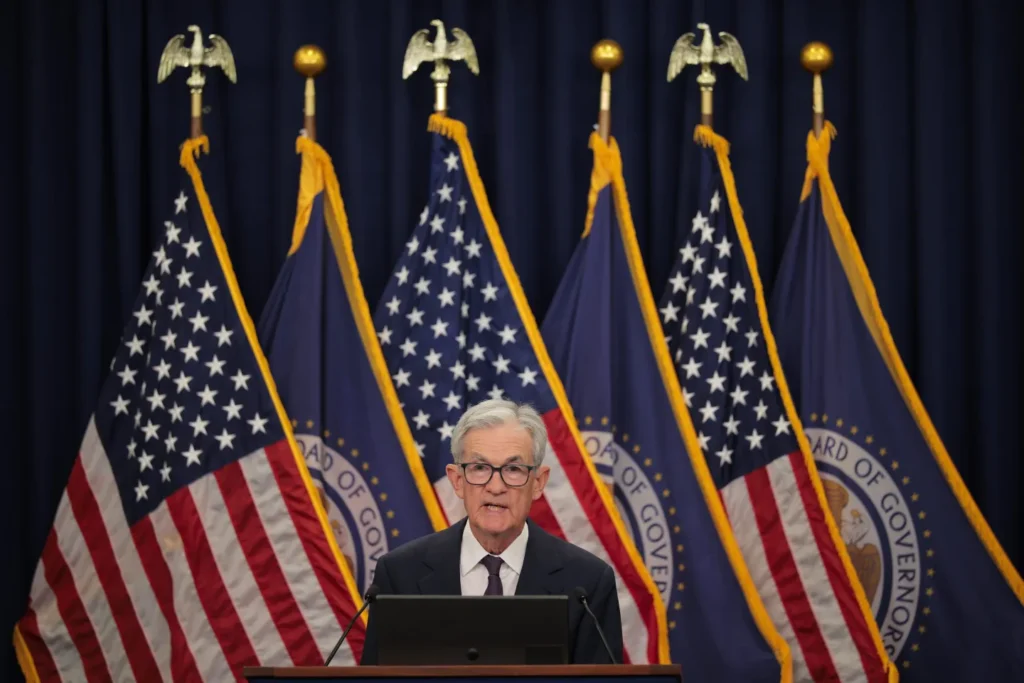
Monetary Policy Stance of the Federal Reserve
The Fed has maintained a tight monetary policy following years of above-target inflation. High interest rates were used to cool demand and stabilize prices.
By 2026, the policy stance may shift if:
- Inflation stays near 2%
- Labor market conditions remain stable
- Economic growth remains moderate or softens
The Fed will likely move cautiously to avoid undermining hard-earned inflation progress.
Factors Influencing Federal Reserve Decisions
The Fed evaluates a wide range of indicators. The most important include:
- Core inflation trends
- Labor market slack
- Consumer spending
- Commodity prices
- Global financial stability
- Long-term inflation expectations
- Housing market pressures
These factors help determine if rate cuts in 2026 are appropriate.
Inflation Targets and Mandates
The Fed operates under a dual mandate:
- Price stability (2% inflation target)
- Maximum employment
In 2026, if inflation stays close to 2% while employment remains strong, the Fed will have room to begin reducing interest rates.
Employment Goals and Mandates
The Fed aims to maintain a healthy job market without causing excessive inflation.
By 2026, unemployment is expected to remain around 4.0% – 4.3%, which is considered close to full employment.
A stable labor market supports the case for gradual easing.
Global Economic Conditions
International trends play an important role in shaping U.S. monetary policy. Key global factors include:
- Slower growth in Europe and Asia
- Weak manufacturing output
- Volatile energy prices
- Global supply chain adjustments
- Changes in foreign central bank policies
If global conditions weaken further, the Fed may feel increased pressure to support the domestic economy.
Fiscal Policy and Government Spending
Government spending patterns can influence inflation and interest rate decisions.
Higher fiscal spending can push inflation up, while reduced spending can ease inflationary pressures.
In 2026, fiscal policy is expected to remain moderate, with no major new spending programs anticipated. This creates a more favorable environment for potential rate cuts.
Expert Predictions and Analysis
Economists and financial analysts are divided on how aggressively the Fed might cut rates in 2026.
Most agree on one central point: Rate cuts are more likely than rate hikes, but the pace remains uncertain.
Consensus Forecasts for 2026
Most mainstream forecasts predict:
- Two to three small rate cuts by late 2026
- A cautious and data-dependent approach
- Cuts beginning only after inflation remains stable for several months
These predictions reflect a belief that the Fed wants to avoid triggering renewed inflation.
Divergent Views and Rationales
Some analysts believe no cuts will occur in 2026 due to:
- Sticky inflation
- High shelter costs
- Strong consumer demand
Others expect more aggressive cuts if:
- Unemployment rises
- Economic recession risks increase
- Global growth declines sharply
These disagreements highlight ongoing uncertainty.
Scenario Analysis for Rate Adjustments
1. Base Case – Gradual Cuts
This assumes moderate growth and stable inflation. Rate cuts occur slowly.
2. Optimistic Case – Faster Cuts
Inflation slows faster than expected, giving the Fed more flexibility.
3. Pessimistic Case – No Cuts or Even Hikes
Stubborn inflation or unexpected shocks prevent any policy easing.
Historical Precedents of Fed Rate Cycles
History shows that after periods of high inflation, the Fed usually cuts rates slowly to avoid mistakes. Past cycles (such as the mid-1990s and mid-2010s) suggest:
- The Fed prefers stability
- Rate cuts follow long periods of observation
- Policy errors can cause market volatility
These lessons are guiding policymakers in 2026.
Potential Impacts of Rate Cuts
Rate cuts influence every part of the economy. Their effects in 2026 could include:
Impact on Financial Markets
- Stock markets may strengthen
- Bond yields may fall
- Growth sectors (tech, real estate) might benefit
- Volatility may decrease as uncertainty fades
Investors watch Fed decisions closely because they affect overall market direction.
Impact on Consumer Spending and Investment
Lower rates typically lead to:
- Increased household borrowing
- More home purchases
- Higher consumer confidence
Consumers often feel more comfortable spending when credit becomes cheaper.
Impact on Business and Corporate Lending
Lower borrowing costs help businesses by:
- Reducing debt expenses
- Supporting expansion plans
- Encouraging hiring
- Improving cash flow
Small businesses may benefit the most from reduced interest rates.
Implications for Economic Recovery and Growth
Rate cuts in 2026 could:
- Strengthen economic recovery
- Support long-term investment
- Improve housing market stability
- Encourage new business formation
A more supportive policy environment generally boosts overall growth.
Risks and Uncertainties
Despite overall optimism, several risks could disrupt rate-cut expectations.
Unforeseen Economic Shocks
Unexpected events—such as supply chain disruptions, natural disasters, or commodity shortages—can push inflation higher and delay cuts.
Geopolitical Events
Geopolitical tensions can affect:
- Energy prices
- Supply chains
- Market confidence
- Global investment flows
These uncertainties can influence the Fed’s decisions.
Policy Errors and Their Consequences
If the Fed cuts rates too soon, inflation could rise again.
If the Fed waits too long, economic growth could slow sharply.
Finding the right timing is crucial.
Conclusion
Most experts believe the Federal Reserve will likely begin gradual rate cuts in 2026, but the pace will depend on inflation, growth, and employment trends.
The overall outlook points toward cautious easing rather than aggressive policy shifts.
Summary of Key Findings
- Inflation is expected to fall to around 2.1% by end-2026.
- Labor market conditions are stabilizing.
- GDP growth is moderate but slowing.
- Most forecasts predict two or three small rate cuts.
- Major risks include inflation persistence and global tensions.
Outlook for Federal Reserve Policy in 2026
The Fed is likely to take a measured, data-driven approach.
Rate cuts are possible—but only if inflation remains under control and the economy cools at a safe pace.
Implications for Policymakers and Investors
- Policymakers should prepare for a more flexible economic environment.
- Investors may position portfolios for lower long-term rates.
- Businesses and consumers can plan ahead for improved borrowing conditions.
Overall, 2026 is shaping up to be a year of gradual economic stabilization, with the possibility of meaningful policy relief.
FAQs
