

Texas remains one of the most important political battlegrounds in the United States heading into the 2026 midterm elections. For decades, Texas has been a reliably Republican state, and no Democrat has won statewide office since 1994. However, recent demographic trends and shifts in suburban voting patterns have raised questions about whether Democrats may finally become competitive at the statewide level.
Political analysts say the 2026 Senate race could be another major test for Democrats, especially after U.S. Representative Jasmine Crockett entered the race. Her candidacy adds momentum inside a party that has been looking for a strong statewide breakthrough for years. Political analysts generally agree that flipping Texas in 2026, while a long-term goal for Democrats, remains an uphill battle with no guarantee of success.
Key Points
- Texas remains Republican but shows gradual demographic changes
- Democrats hope to attract suburban voters and younger voters
- The 2026 Senate race could be a major turning point
- Republican candidates remain confident in statewide advantage
Changing Voting Patterns in Texas
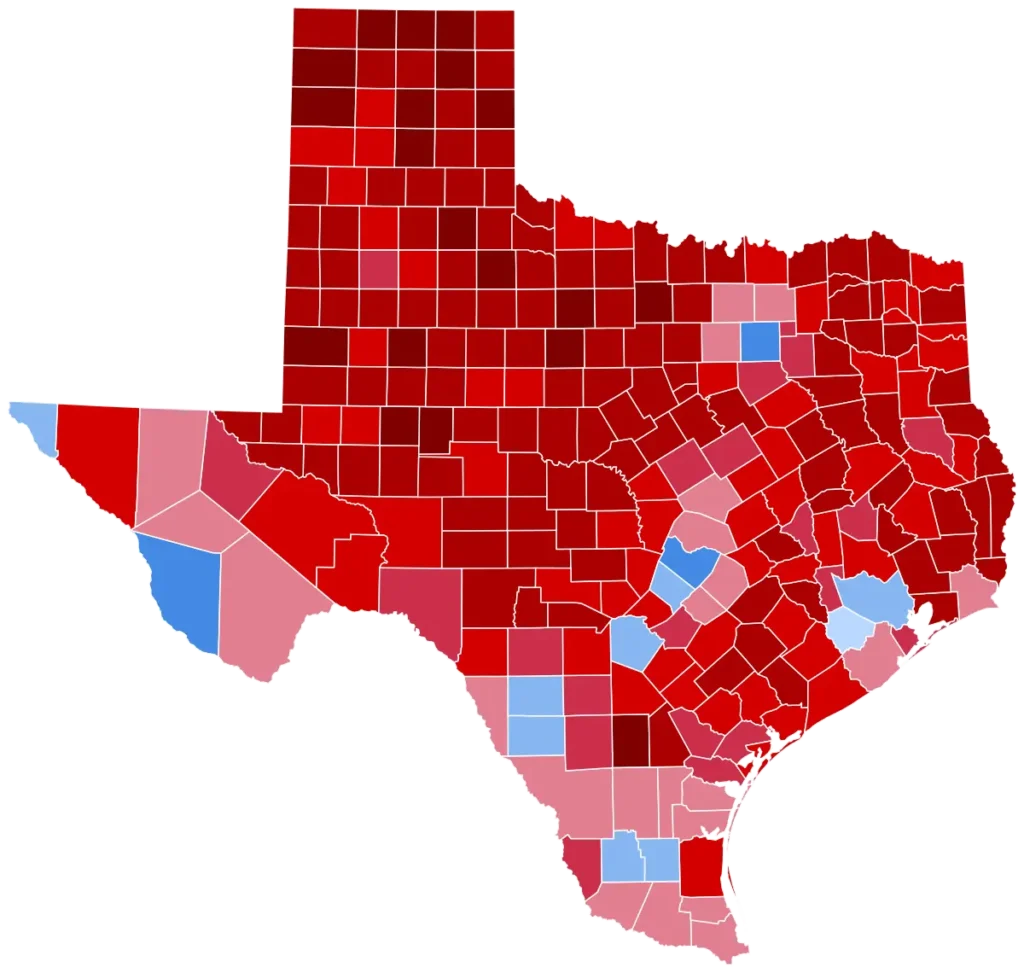
Over the past 10–15 years, Texas has seen a steady increase in population growth, especially in metropolitan regions like Austin, Dallas, Houston, and San Antonio. Younger voters and new residents moving into Texas often lean more Democratic than long-time Texas residents. This shift has helped Democrats close the gap in presidential and statewide races.
However, Republicans still win statewide elections comfortably, supported by rural counties, conservative suburbs, and strong party organization.
Key Analyst Observations (Simplified for Readers)
- Long Odds for Democrats:
Political analysts remind voters that Democrats haven’t won a statewide race in Texas since 1994, which shows how difficult it is to shift the state’s political direction. Several analysts even say flipping Texas in 2026 would require conditions that are highly unusual by historic standards. - Some Competitive Signs:
While Texas is often viewed as deeply Republican, the state is not completely uniform. For example, Tarrant County has become a swing area, and Democratic candidates have recently performed better than expected in certain red-leaning districts during special elections. These results give Democrats some momentum—but analysts warn this does not automatically equal statewide success. - Redistricting Continues to Challenge Democrats:
Republican-led redistricting has created more GOP-friendly districts in Texas. With the Supreme Court allowing new maps to take effect for the 2026 cycle, winning additional U.S. House seats becomes even more difficult for Democrats statewide. - Demographic and Strategy Factors:
For Democrats to be competitive, they need stronger support from Latino voters, moderates, and independents who have previously leaned Republican. Inside the Democratic Party, there is an ongoing strategy debate: should the party focus on energizing progressive voters with stronger anti-Trump messaging, or move toward a more moderate tone to appeal to a wider group of Texans? - Midterm Political Environment:
Historically, the party out of power tends to have an advantage during midterm elections, which could favor Democrats in 2026. Democrats have also shown strong performance in recent special elections nationwide. However, experts emphasize that Texas is a unique political landscape, so national trends do not always shape statewide results here.
There are signs of increased competition and enthusiasm among Democratic voters, but most analysts remain cautious. While the 2026 cycle could tighten certain races, a complete statewide shift in Texas still appears unlikely in the near term.
Why Democrats Are More Optimistic in 2026
Democratic strategists believe their party has a chance to perform better in 2026 due to:
- population growth in urban areas
- changing voting behavior in suburbs
- increased turnout among younger voters
- national focus on Texas
Some experts also note that Democrats could perform better in years with high voter turnout, especially during national elections.
How Jasmine Crockett Changes the Race

Congresswoman Jasmine Crockett’s entry into the 2026 Texas Senate race has sparked national interest. Her candidacy brings more attention to issues like voting rights and economic inequality.
Her presence could energize younger and minority voters who traditionally support Democratic candidates. But her outspoken style may also face challenges with moderate voters in a Republican-leaning state.
Why Republicans Still Have the Advantage
Despite demographic changes, Republicans continue to dominate in statewide elections. Texas maintains a strong conservative voter base, and issues like immigration, border security, and economic policy continue to resonate with Republican voters. for read more these article you can visit our Politics section.
What Political Experts Are Saying
Election analysts generally agree that Democrats face an uphill battle. Although trends favor them in some areas, Texas still leans red. The Democratic Party must win suburban voters and increase turnout in key cities to have a realistic chance.
Final Outlook
While Democrats are more optimistic than in previous elections, flipping Texas in 2026 remains extremely difficult. Republicans retain strong control statewide, and demographic shifts may not be fast enough to change election outcomes in the near future. Still, the 2026 Senate race is an important test for both parties and could shape national political strategies.
FAQs
