
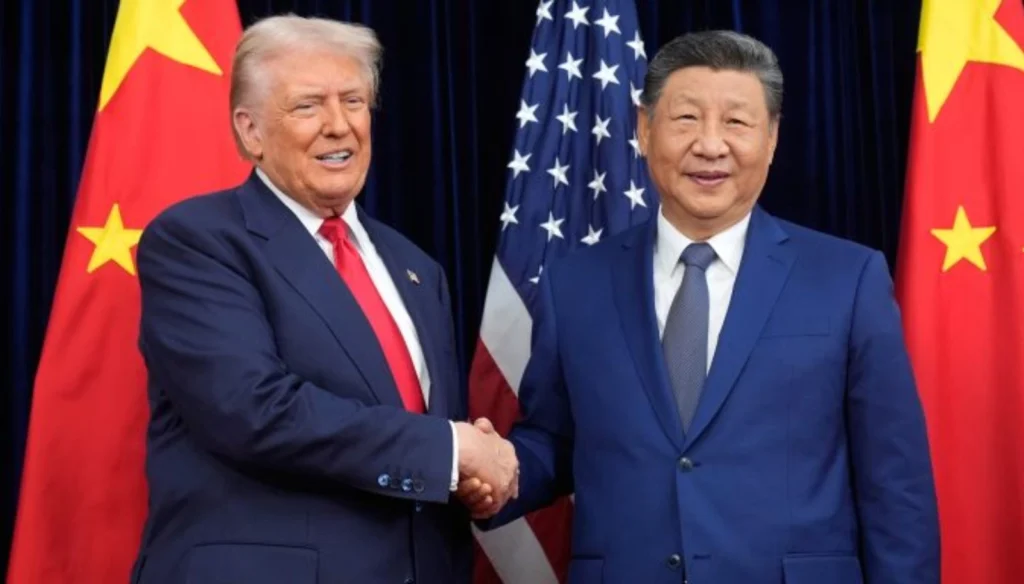
In 2026, U.S.–China relations are expected to remain defined by strategic competition rather than cooperation, especially in areas such as advanced technology, national security, and global supply chains. While both countries are likely to maintain communication and occasional diplomatic engagement, analysts expect continued rivalry and policy uncertainty throughout the year—especially with the U.S. entering a major election cycle.
Relations between the United States and China remain one of the most important global issues in 2026. Both countries influence global trade, technology, defense, and foreign policy. As tensions continue in areas such as economic competition and national security, many Americans are asking what may happen next.
Here is a simple and neutral explanation of the current situation and what experts expect in the year ahead.
Key Points
- U.S.–China relations remain tense
- Economic competition continues across multiple industries
- Technology restrictions are expanding
- Military concerns remain a major issue
- Global supply chains are shifting
Key Themes for 2026
Technology Competition
Both countries will continue to compete in advanced technologies including AI, semiconductors, biotechnology, and critical minerals. The U.S. will focus on “de-risking” supply chains and reducing reliance on Chinese technology, while China aims to expand domestic innovation and strengthen access to global markets.
Trade and Economic Strategy
Trade tensions are expected to continue even if temporary agreements reduce short-term friction. U.S. tariffs are likely to remain in place, while China may increase exports to developing regions such as Africa and Southeast Asia. Overall trade volumes between the U.S. and China could slow as both sides shift trade patterns.
Geopolitical Competition
The two countries are expected to continue advancing competing visions for global influence. The United States will increase its focus on the Western Hemisphere and Indo-Pacific partnerships, while China continues to expand its economic and diplomatic presence across Asia and emerging markets.
Election-Related Uncertainty
The 2026 U.S. midterm elections are likely to add political pressure and unpredictability. Differences in policy priorities between political parties could affect the tone, intensity, and timing of U.S.–China negotiations.
Areas Where Cooperation Is Still Possible
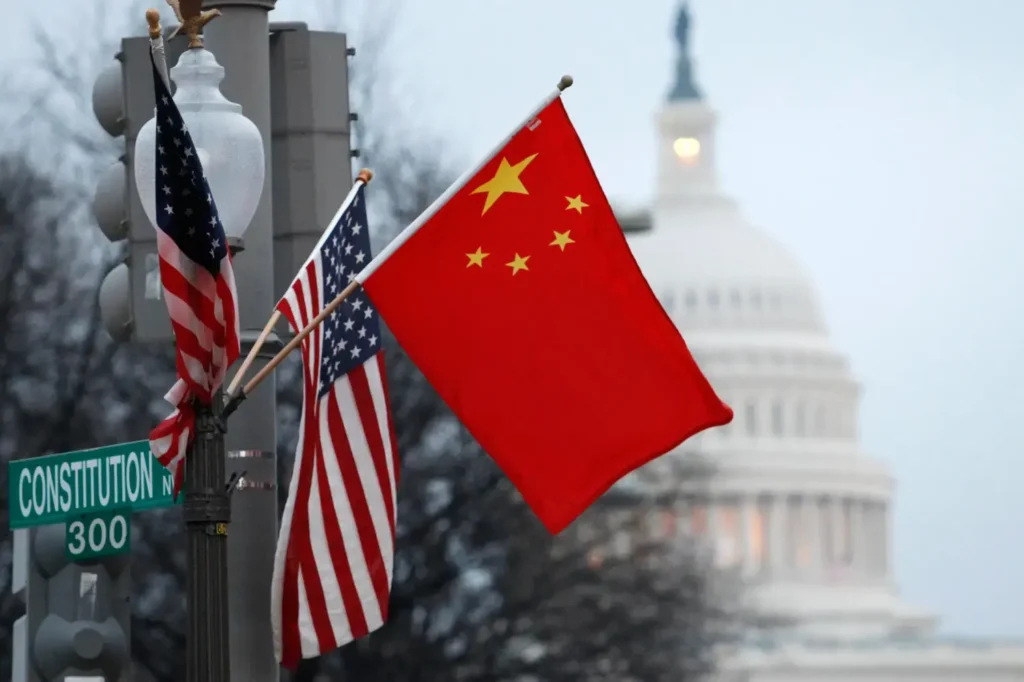
Despite major disagreements, limited cooperation may continue in specific areas including:
- climate policy
- public health
- certain business sectors
- research and technology partnerships
However, cooperation will be cautious and narrow, driven by practical needs rather than trust.
What Americans Should Expect
Economic Friction
Tariffs, export controls, and supply chain disruptions could continue to raise prices for certain products and components.
Supply Chain Adjustments
More industries are likely to diversify manufacturing and sourcing away from China toward the U.S., Mexico, and Southeast Asian economies.
Security Tensions
Military and security competition—especially regarding Taiwan and the Indo-Pacific region—will remain one of the most sensitive and uncertain areas in the relationship.
Mixed Signals
Americans should expect a combination of firm public statements and behind-the-scenes diplomacy. Both sides may seek short-term stability while preparing for long-term strategic competition.
The U.S.–China relationship in 2026 will be shaped by rivalry, national security concerns, and elections on the U.S. side. While major conflict is unlikely, meaningful cooperation will be limited, and strategic competition in technology, trade, and global influence will continue to define the relationship.
Economic Competition Continues
The United States and China continue competing in major industries, including:
- technology
- artificial intelligence
- energy
- manufacturing
Both countries are increasing investments in domestic production and reducing reliance on foreign supply chains.
Technology Restrictions
The U.S. government has increased restrictions on Chinese technology companies, especially those connected to data, cybersecurity, and artificial intelligence. China has responded by increasing support for its own tech industries and limiting U.S. access to certain key materials.
Military and Security Concerns
Tensions remain high in regions such as the South China Sea and around Taiwan. The United States continues to support regional allies, while China continues expanding its military presence.
Experts warn that miscommunication between countries could increase risks, although direct conflict is not expected at this time.
Global Supply Chain Changes
Businesses are shifting supply chains away from China and exploring manufacturing options in countries like India, Vietnam, and Mexico. This change could reshape global trade patterns and reduce long-term dependence on China.
What Experts Expect in 2026
Analysts say U.S.–China competition will continue, but neither country wants direct conflict. Economic competition and technology restrictions will remain the main focus, while diplomatic communication continues to prevent escalation.
Impact on Americans
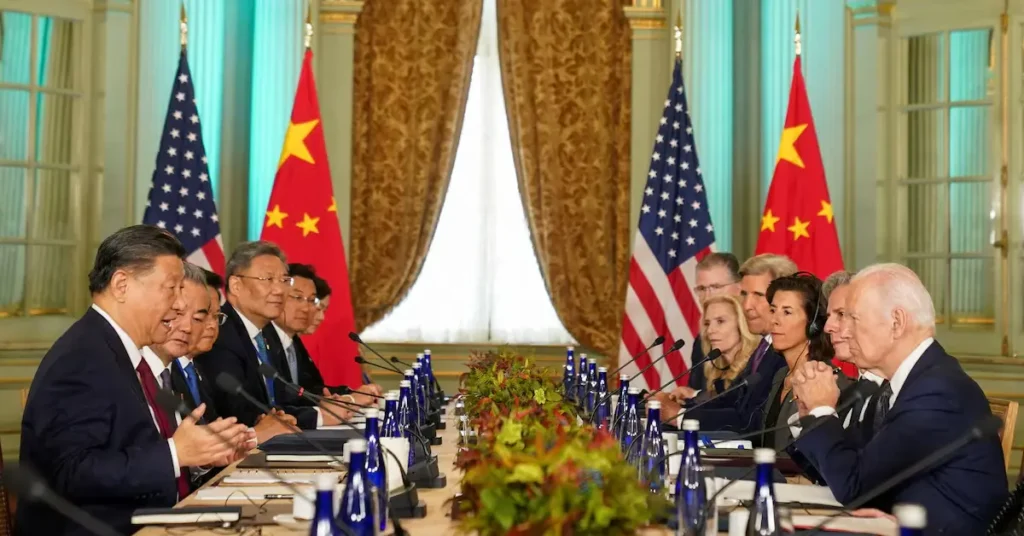
U.S.–China relations may affect:
- prices of consumer electronics
- supply chain costs
- global stock markets
- energy demand
- national security
Americans could see higher prices for some imported products as companies shift manufacturing locations.
Final Outlook
U.S.–China relations in 2026 will likely remain competitive, with economic and technology issues at the center of ongoing tensions. While major disagreements continue, both countries are expected to avoid direct conflict and rely on international diplomacy.
FAQs
