

Global oil prices are widely expected to decline in 2025 and 2026 as supply continues to outpace demand. This easing trend could help cool inflation in the United States and strengthen consumer purchasing power. However, analysts warn that geopolitical instability—especially in major oil-producing regions—remains a key risk that could trigger short-term price spikes. Oil remains a central part of the global economy, and changes in oil prices can affect everything from transportation to consumer goods. As global tensions continue in certain regions, many Americans are wondering how international events could influence oil prices in 2025 and 2026.
Experts say geopolitics, global supply, and energy policy will remain key drivers of oil price changes in the coming year.
Key Points
- Oil prices depend on global supply and political stability
- Middle East tensions influence global energy markets
- U.S. energy production is increasing
- Higher prices affect inflation and the cost of living
- Renewable energy continues to expand
Oil Price Forecast (2025–2026)
Most major energy agencies and financial institutions expect Brent crude prices to trend lower over the next two years. Strong supply growth from non-OPEC+ producers, particularly the United States, is outpacing a modest rise in global demand.
| Agency / Bank | 2025 Brent Forecast (avg) | 2026 Brent Forecast (avg) |
|---|---|---|
| U.S. Energy Information Administration (EIA) | ~$66–$69/bbl | ~$52–$55/bbl |
| J.P. Morgan Research | ~$66/bbl | ~$58/bbl |
| World Bank | ~$68/bbl | ~$60/bbl |
Overall, analysts expect a gradual move toward lower prices unless geopolitical tensions disrupt supply.
Why Oil Prices Are Increasing

Oil prices often rise due to:
- global conflicts
- supply shortages
- increased demand
- limited production
Tensions in the Middle East, supply challenges, and shifting global alliances all play a role in price changes.
Geopolitical Risks to Watch
Even with a softening market, oil remains highly sensitive to global events.
Middle East Tensions
Any escalation in the region, or tighter sanctions on Iran, could temporarily push Brent prices into the mid-$80s per barrel.
Russia Sanctions
New U.S. sanctions on Russian energy companies have created short periods of volatility. However, Russia has adapted through alternative shipping networks and “shadow fleets,” limiting long-term impacts.
OPEC+ Decisions
OPEC+ is slowly unwinding its voluntary production cuts. This adds supply to the market and keeps prices under pressure. However, any sudden decision to reinstate deeper cuts could quickly tighten conditions.
Impact on the U.S. Economy
Lower Inflation
Falling oil and gasoline prices help reduce headline inflation. The EIA expects regular gasoline in the U.S. to drop below $3.00 per gallon in 2026.
More Consumer Spending Power
Lower fuel costs free up household income and support retail spending.
More Flexibility for the Federal Reserve
With less pressure from energy costs, the Federal Reserve has more room to consider interest rate cuts in 2025–2026.
Strong U.S. Production Helps Stability
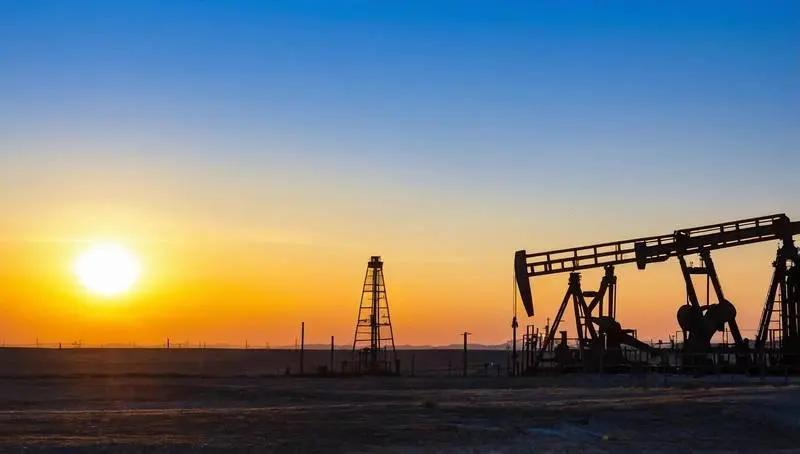
U.S. oil production remains near record levels, thanks to robust shale output. This strengthens energy security, although sustained low prices could slow drilling activity in the future.
Short-Term Market Movements
Oil prices recently hit a two-week high as investors anticipated a Federal Reserve rate cut that could boost economic growth and support energy demand.
- Brent crude rose slightly to $63.79 per barrel
- U.S. West Texas Intermediate increased to $60.15 per barrel
Both benchmarks closed last week at their highest levels since mid-November.
Markets currently see an 84% chance of a quarter-point Fed rate cut, according to LSEG data. This expectation has supported energy prices ahead of a highly watched—and politically charged—Fed meeting.
Geopolitical Factors Adding Volatility
Russia–Ukraine Negotiations
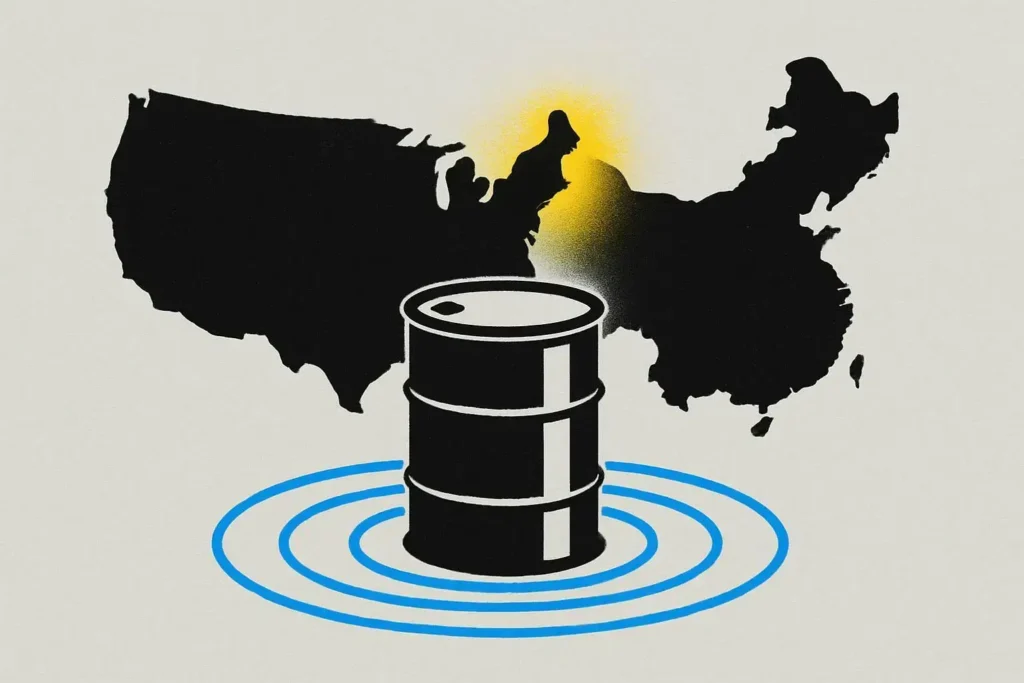
Peace talks remain slow, with disagreements over Ukrainian security guarantees and the status of Russian-occupied territory. Analysts say any major shift in the conflict could significantly affect daily oil supply.
Potential Policy Shifts from the Group of Seven (G7)
The G7 and European Union are discussing replacing the price cap on Russian oil with a full maritime services ban—an action that could reduce available supply from one of the world’s largest producers.
Tensions in Venezuela
The U.S. has increased pressure on Venezuela, including targeting alleged smuggling operations and issuing military warnings toward President Nicolás Maduro. Any instability in Venezuelan output could add further volatility.
Global oil prices are expected to decline through 2026, easing inflation and benefiting U.S. consumers. But geopolitical risks—from Russia to the Middle East—remain capable of causing sharp, short-term price spikes. The balance between strong supply growth and global instability will define the oil market over the next two years.
Middle East Tensions
Conflicts and political tensions in the Middle East can reduce supply and raise prices globally. Even small disruptions in major oil-producing regions can lead to price spikes for consumers worldwide.
U.S. Energy Production
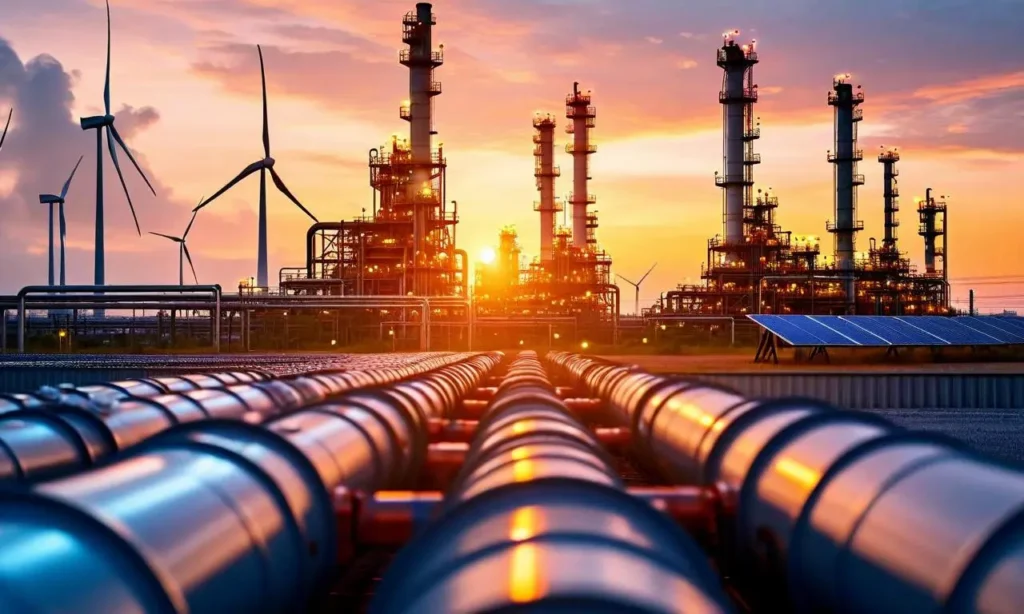
The United States has increased domestic oil and natural gas production in recent years, which helps reduce national dependence on foreign oil. However, global prices still influence what Americans pay at the gas pump.
How Oil Prices Affect Americans
Higher oil prices can increase:
- gas prices
- transportation costs
- imported goods
- airline costs
- inflation
Even if Americans do not purchase oil directly, they may pay more for everyday products because transportation and shipping costs increase.
Will Prices Stay High?
Some experts expect prices to remain unpredictable due to ongoing geopolitical risks. However, increased global production and new energy investments could help stabilize prices in late 2025 and into 2026.
Renewable Energy and Future Trends
Solar, wind, and other renewable energy sources are expanding quickly, but they will take years to reduce global dependence on oil. Until then, oil prices will continue to be influenced by global politics and regional conflicts.
Final Outlook
Oil prices in 2025–26 will depend on global supply, geopolitical events, and energy policy decisions. Americans may continue to experience higher prices, especially if international tensions continue.
FAQs
