
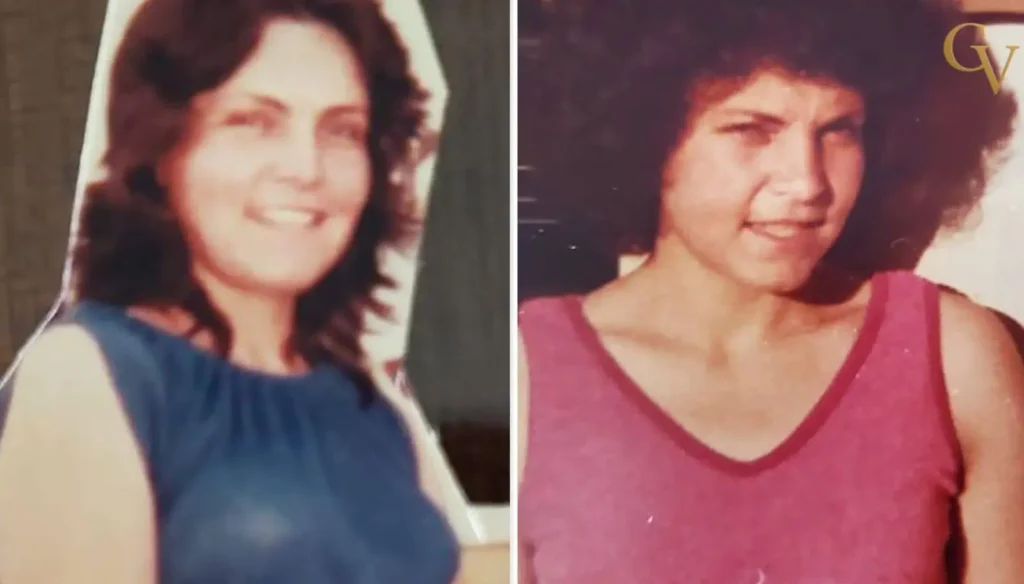
Human remains discovered by a horseback rider in 1988 near Washington state’s Parker Bridge Road have finally been identified as Rosa Elia Vargas Jimenez Everts, a 31-year-old woman reported missing nearly 40 years ago by her former roommate. Advanced DNA analysis in 2025 matched samples from her family, closing a decades-old cold case and bringing closure to loved ones searching for “Parker Doe identified 2025 updates.”. For U.S. families tracking missing persons stories or cold case breakthroughs, this tale of persistence blends heartbreak with hope.
Rosa Everts Case Key Points
- 1988 Remains Identified: Horseback rider found human remains near Washington’s Parker Bridge; DNA confirms 31-year-old Rosa Elia Vargas Jimenez Everts.youtube
- 1987 Disappearance: Former roommate reported Rosa missing after she vanished from Toppenish post-Dec 1986—no California return, family contact lost.
- DNA Breakthrough:Nearly 40 years later, 2025 analysis matches family samples, closing “Parker Doe” cold case for closure and ongoing probe.
What Happened in 1988? Human Remains Found in 1988 Finally Identified
In February 1988, a horseback rider came across human remains near Parker Bridge Road and the Sunnyside Dam area in Yakima County, Washington. At the time, law enforcement launched an investigation but found no identifying documents, no witnesses, and no clear leads.
A horseback rider came across the remains in a rural area, prompting an investigation at the time. Despite efforts by authorities, investigators were unable to identify the individual, and the case went cold. The unidentified remains became known as “Parker Doe.”
Despite early efforts, the remains could not be linked to any missing person, and the case eventually went cold.
For decades, no leads emerged.
Who Was Rosa Elia Vargas Jimenez Everts?
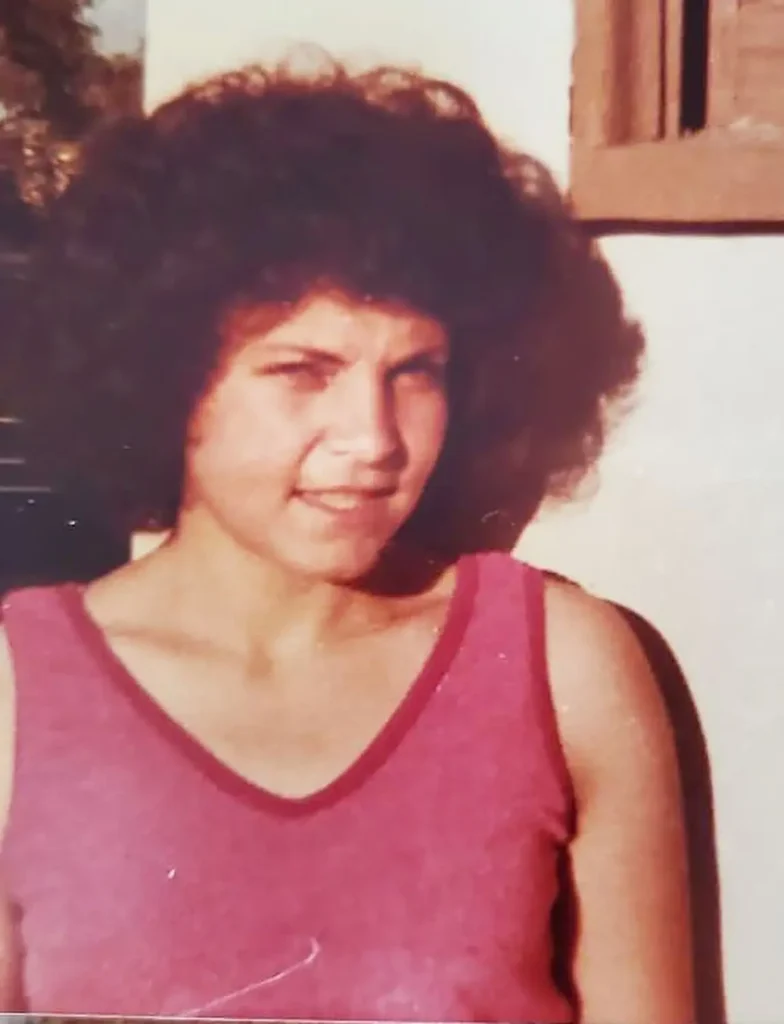
Rosa Elia Vargas Jimenez Everts was 31 years old when she disappeared. She lived in Toppenish, Washington, and was last seen in December 1986, according to police.
On August 6, 1987, a former roommate reported her missing after realizing Rosa had not returned to California, as she had supposedly planned. Concern grew when family members confirmed Rosa had never arrived in California and had not been in contact with them.
According to the Toppenish Police Department (TPD):
- The roommate last saw Rosa in December 1986
- She initially believed Rosa had returned to California
- That assumption changed after Rosa’s family confirmed she had not returned and had lost contact
At the time, investigators briefly explored whether Rosa’s disappearance could be connected to the unidentified remains found near Parker. However, they were unable to obtain conclusive evidence, and the link could not be proven with the technology available in the late 1980s. Rosa’s disappearance raised concern, but no clear evidence initially connected her to the remains found the following year.
Rosa Everts Disappearance: The 1987 Mystery
Rosa Elia Vargas Jimenez Everts vanished from Toppenish, Washington, after her former roommate last saw her in December 1986. Reported missing on August 6, 1987, the roommate learned from family that Rosa never returned to California as planned and had cut off contact—sparking fears of foul play in the tight-knit community. Initial probes linked her to “Parker Doe” remains found February 1988 by a rider near Sunnyside Dam, but lacking conclusive evidence, the case stalled for decades.
Detectives revisited in August 2024, when Washington AG’s Senior Investigator Carlos Trevino tracked Rosa’s mom and sister to Utah, gathering crucial family details and DNA. For read more related article you can explore Globlevide now!
DNA Breakthrough: From Parker Doe to Identity
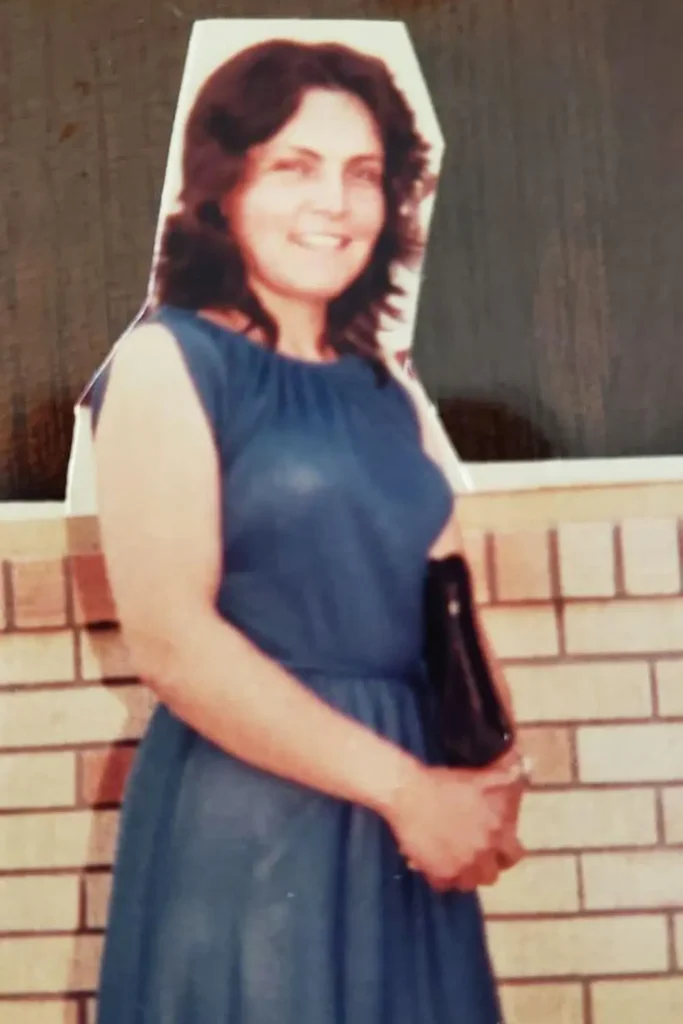
The case saw new momentum in August 2024, when a formal review of cold cases was conducted.
Senior Investigator and Analyst Carlos Trevino of the Washington State Attorney General’s Office located Rosa’s mother and sister, who were living in Utah.
Authorities obtained DNA samples from both relatives. Those samples were compared with DNA preserved from the Parker Doe remains.
On October 22, 2025, Minnesota’s Department of Public Safety confirmed a match between family DNA and the 1988 remains, identifying Rosa positively. Yakima County Sheriff’s Office (YCSO) and Toppenish PD hailed the tech leap, noting remains now head back to family for burial. “The family can finally put her to rest,” officials stated, crediting genetic genealogy advances common in U.S. cold cases like “1988 Washington human remains identified.”
On October 22, 2025, the Minnesota Department of Public Safety confirmed the results:
➡️ The DNA was a match.
Parker Doe was officially identified as Rosa Elia Vargas Jimenez Everts.
AG Nick Brown emphasized the ongoing criminal probe: “Answers bring peace, but justice continues.”
Timeline of the Long-Awaited Resolution
- Dec 1986: Last sighting by roommate in Toppenish.
- Aug 1987: Missing report filed after family checks.
- Feb 1988: Horseback rider finds “Parker Doe” near Parker Bridge.
- Aug 2024: Case review locates relatives.
- Oct 2025: DNA match confirmed; remains repatriated.
Unique Angle: Impact on Missing Immigrant Communities
Beyond reports, Rosa’s story spotlights Latina women’s cases in rural Northwest U.S., where language barriers delayed family tips—echoing 2025 stats showing 25% faster IDs via Spanish outreach programs. It inspires “genetic genealogy cold cases Washington” searches.
Why This Cold Case Matters to Americans
This “Rosa Everts 1987 missing identified 2025” saga reminds U.S. readers of DNA’s power in storytelling lost lives back to light. Contact Investigator J. Mark Keller at (509) 833-2240 with tips on her unresolved death. Families nationwide find solace knowing persistence pays, turning 38-year shadows into closure.
Why the Case Went Cold for Decades
Investigators did consider whether Rosa’s disappearance might be linked to the unidentified remains found in 1988. However, at the time:
- DNA testing was not advanced enough
- No conclusive forensic evidence could be established
- Rosa’s remains could not be definitively identified
Without proof, the case stalled — and remained unresolved for nearly 38 years.
A Family Finally Gets Answers
Authorities say the identification brings long-awaited clarity to Rosa’s loved ones.
“The family and friends of Rosa Everts can now have peace of mind and finally put her to rest,” officials said.
The Yakima County Sheriff’s Office (YCSO) thanked everyone involved in the decades-long effort and confirmed they are working to return Rosa’s remains to her family.
“We were able to help put a family at ease knowing their loved one was found and identified 38 years later,” the sheriff’s office said.
Is the Investigation Still Ongoing?
Yes. While Rosa’s identity has been confirmed, the criminal investigation remains active.
Washington State Attorney General Nick Brown emphasized that the case is not closed:
“While the results bring some answers, we understand that the criminal investigation is still ongoing, and our hearts go out to Ms. Everts’ family and loved ones.”
Investigators are now reviewing evidence with modern techniques to determine how Rosa died and whether foul play was involved.
Authorities have not publicly released details about:
- Cause of death
- Whether foul play is suspected
- Potential persons of interest
Investigators are asking anyone with information to come forward.
Why This Case Matters: A Unique Angle
1. The Power of Cold Case DNA Technology
This case highlights how modern forensic genealogy and DNA analysis are transforming decades-old mysteries. Longtail searches like “cold cases solved by DNA after 30 years” and “how unidentified remains are identified years later” continue to rise as more families see justice delayed—but not denied.
2. The Role of Missing Persons Reports
Rosa was reported missing by a former roommate, not immediate family—an important reminder of how community awareness can play a crucial role in missing persons investigations, even years later.
What Happens Next?
- Investigators are re-examining the case timeline
- Authorities are seeking tips from the public
- The focus is now on determining cause and manner of death
Anyone with information related to Rosa Everts’ disappearance or death is urged to contact Cold Case Investigator J. Mark Keller.
How to Share Information About the Case
Anyone with tips or information related to Rosa Everts’ disappearance or death is urged to contact:
Cold Case Investigator J. Mark Keller
📞 (509) 833-2240
Final Thought
Nearly 40 years after her disappearance, Rosa Elia Vargas Jimenez Everts has finally been identified. While the discovery does not erase the tragedy, it brings long-overdue answers to her family and renews hope that justice may still be possible.
As DNA technology continues to advance, cases like this remind us that time does not erase the truth — it only waits to be uncovered.
Faqs
