
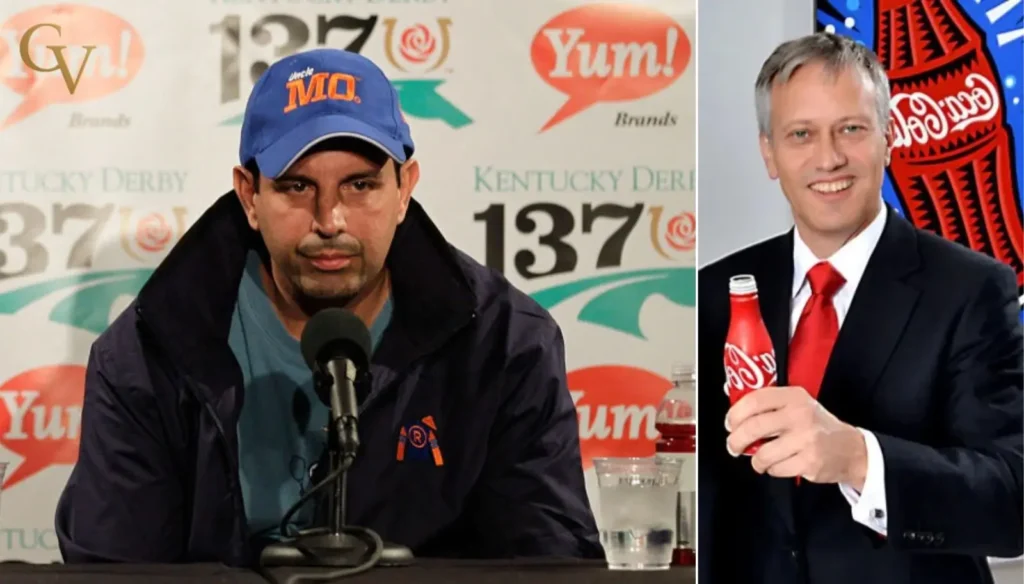
Billionaire Mike Repole, who sold Glaceau and BodyArmor to Coca-Cola for $9.7 billion combined, urges aspiring entrepreneurs to reconsider: “Every day, you could go bankrupt.” The 56-year-old Queens native shares raw truths on The School of Hard Knocks interview, calling the first five years “survival years” amid constant failure risks. For U.S. dreamers googling “Mike Repole entrepreneurship advice 2025” or “why billionaires warn against starting businesses,” his story spotlights grit over glamour. a social-media channel known for conversations with self-made entrepreneurs, Repole delivered a message that surprised many viewers: he actively tries to talk people out of becoming entrepreneurs.
For many Americans, entrepreneurship is sold as the ultimate path to freedom, wealth, and control over one’s future.
“I spend more time talking people out of being an entrepreneur,” Repole said. “The first five years, I call the survival years. Every single day, you could go bankrupt.””
Who Is Mike Repole—and Why His Warning Matters
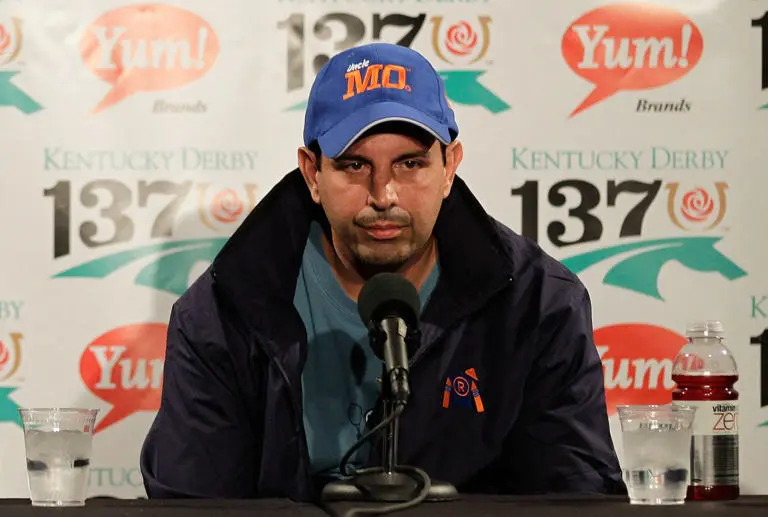
Repole’s warning carries unusual weight because of his track record.
- In 1999, he co-founded Glaceau, the company behind Smartwater and Vitaminwater.
- By 2007, Glaceau had grown from roughly $1 million in first-year sales to more than $1 billion in revenue, before being sold to Coca-Cola for $4.1 billion.
- In 2011, Repole co-founded BodyArmor, a sports drink brand that later attracted a major investment from Kobe Bryant.
- In 2021, Coca-Cola acquired the remaining stake in BodyArmor for $5.6 billion (85%), its largest brand acquisition ever.
According to Forbes, Repole’s net worth is now estimated at around $1.6 billion.
Yet despite this extraordinary success, Repole insists that his story is the exception—not the rule.
Repole’s Billion-Dollar Exits Explained
Repole co-founded Glaceau in 1999 with J. Darius Bikoff, scaling Smartwater and Vitaminwater from $1 million to $1 billion in sales before Coca-Cola’s $4.1 billion buyout in 2007. He launched BodyArmor in 2011, landing Kobe Bryant’s $6 million investment in 2014; Coca-Cola snapped up the rest for $5.6 billion in 2021—its biggest brand deal ever. Pirate’s Booty grew 300% under his chairmanship, selling for $195 million in 2013, building his $1.6 billion Forbes net worth. for read more relative article explore GlobleVide now for get latest news.
Why Repole Talks People Out of Entrepreneurship
“Most startups fail—over two-thirds,” Repole notes, drawing from near-misses where “days felt impossible.” He embraces his “crazy” drive—”crazy people change the world”—but stresses betting on yourself means endless uncertainty versus steady jobs. This contrarian view counters social media hype, aligning with candid billionaire warnings on work-life tolls.
Repole’s Timeline: From Queens to Billions
- 1999: Launches Glaceau, hits $1B revenue.
- 2007: $4.1B Coca-Cola sale.
- 2011: Starts BodyArmor with Kobe backing.
- 2021: $5.6B exit; Pirate’s Booty success.
Unique Angle: Repole’s “Survival Mindset” for Side Hustles
Beyond exits, Repole quietly mentors UFL soccer, preaching “fail fast, pivot faster” for 2025 gig workers—not full startups. Apps like his inspire “low-risk entrepreneurship tips from billionaires,” blending corporate safety with bold bets.
Lessons for U.S. Aspiring Founders
Repole’s “don’t become entrepreneur warnings Mike Repole” tale empowers realistic paths: test ideas via side gigs, build networks, or climb ladders first. Success demands survival smarts—proving everyday hustlers can win without all-in risks.
Most People Only See the Highlight Reel”
Despite his success, Repole says the public narrative around entrepreneurship is dangerously incomplete.
Social media often celebrates overnight wins, flashy exits, and “self-made” success stories. What gets ignored, Repole says, are the years of uncertainty, stress, and failure that happen before any payoff—if a payoff comes at all.
“There were days I didn’t think we’d make it,” he admitted. “I failed multiple times.”
His comments reflect a sobering reality backed by data: more than two-thirds of startups fail, and many never make it past the first few years. Even founders who eventually succeed often spend years operating on razor-thin margins, risking personal savings, relationships, and mental health.
The Survival Years”: Why the First Five Years Are So Dangerous
Repole describes the early phase of entrepreneurship as a constant battle for survival.
Cash flow is fragile. Mistakes are expensive. Competition is relentless. And even when a business appears to be gaining traction, one wrong decision—or one unexpected event—can end everything.
“There were days I didn’t think we could make it,” Repole said, acknowledging that failure wasn’t a one-time event but a recurring threat throughout his journey.
This reality aligns with broader data: more than two-thirds of startups fail, often within their first few years. Many never reach profitability, and even fewer deliver life-changing exits.
Why Hustle Culture Gets Entrepreneurship Wrong
Repole’s comments push back against a common narrative online: that anyone with enough grit, motivation, and positivity can become a successful founder.
In reality, entrepreneurship often involves:
- Years of financial instability
- Personal guarantees and mounting debt
- Missed family time and chronic stress
- High odds of failure, even with a good idea
Social media tends to celebrate the outcomes—the billion-dollar exits—while ignoring the decades of uncertainty behind them.
Repole’s message is simple but uncomfortable: success stories are survivorship bias, not blueprints.
Betting on Yourself vs. Playing It Safe
Despite his warnings, Repole isn’t anti-risk. Instead, he encourages people to understand the true cost of entrepreneurship before jumping in.
For many, a stable career, predictable income, and long-term investing may offer a better quality of life than chasing a startup dream with long odds.
That doesn’t mean no one should start a business. It means people should do so with clear eyes, realistic expectations, and a willingness to fail repeatedly.
“Crazy People Change the World”
When asked whether he shares the same “craziness” often associated with billionaire founders, Repole didn’t deny it.
“I started crazy,” he said. “Crazy people change the world.”
The difference, he suggests, is understanding that this mindset comes with enormous personal and financial risk—and accepting that most people are better off avoiding it.
Crazy People Change the World”
When asked if he shares the same “crazy” mindset often attributed to billionaires, Repole didn’t hesitate.
“I started crazy,” he said. “Crazy people change the world.”
But even that statement comes with nuance. That kind of “crazy,” Repole implies, includes a willingness to fail publicly, endure years of stress, and keep going when success feels impossible.
What Aspiring Entrepreneurs Should Take Away
Repole’s story isn’t meant to discourage ambition—it’s meant to reset expectations.
For Americans considering starting a business in 2025, his advice is simple:
- Understand the risks before romanticizing the rewards
- Expect years of instability before any success
- Know that failure is common—even among eventual winners
Entrepreneurship can be life-changing—but as Repole makes clear, it’s also one of the most unforgiving paths a person can choose.
And sometimes, hearing why not is just as valuable as hearing why yes.
Final thoght
Mike Repole’s advice stands out precisely because it doesn’t glamorize entrepreneurship.
From someone who built and sold two beverage giants to Coca-Cola, the warning is clear: entrepreneurship is not freedom—it’s risk, pressure, and constant uncertainty.
For aspiring founders searching “should I become an entrepreneur?” or “why do most startups fail?”, Repole’s message offers a rare dose of honesty: success is possible, but failure is far more likely—and the journey is harder than most people imagine.
Sometimes, the smartest advice isn’t how to start, but whether you should start at all.
Faqs
