
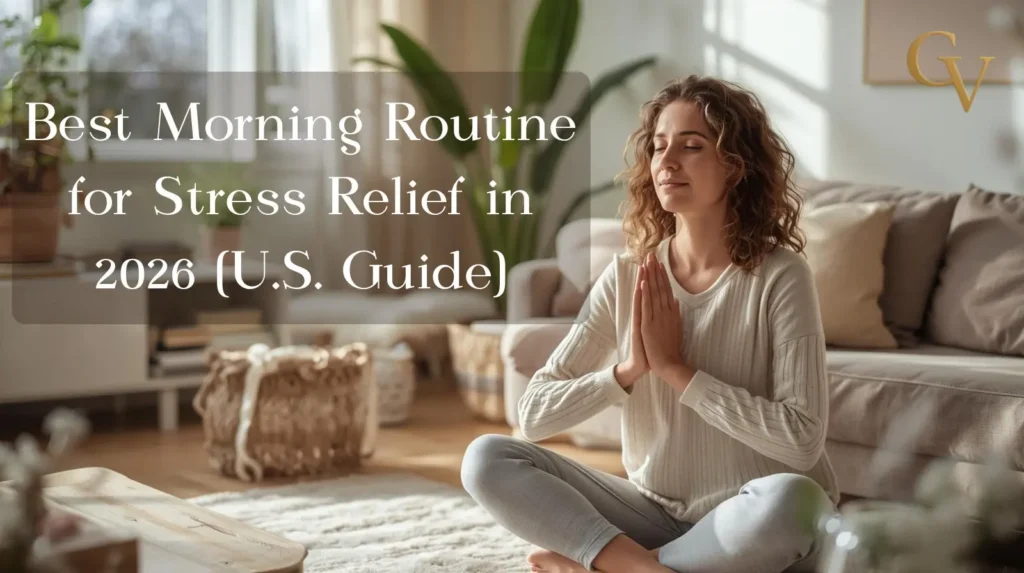
Start 2026 stress-free with a science-backed morning routine blending hydration, sunlight, mindfulness, and movement—lowering cortisol by up to 20% per studies. Harvard experts and neuroscientists like Andrew Huberman endorse these habits for U.S. professionals battling anxiety amid busy lives. For those searching “best morning routine stress relief 2026” or “science-backed ways reduce morning cortisol,” GlobleVide demos viral 10-minute flows.
If your mornings feel rushed, anxious, or “already behind,” you’re not alone. The good news: you don’t need a complicated wellness schedule to feel calmer. In 2026, the most effective morning routine for stress relief is simple, repeatable, and built around a few science-backed basics: light movement, steady breathing, smart caffeine timing, and a quick mental reset.
Health agencies like the CDC recommend daily stress-management habits because long-term (chronic) stress can worsen both mental and physical health—and small steps done consistently can make a real difference.
Below is a clean, realistic routine you can do in 10–20 minutes, with optional upgrades if you have more time.
The “2026 Upgrade” Add-Ons (Optional, But Powerful)
Hydrate and Breathe First (5 Minutes)
Drink 16 oz water upon waking to rehydrate overnight-depleted cells, boosting metabolism and clarity—pair with 4-7-8 breathing (inhale 4s, hold 7s, exhale 8s) to drop stress hormones fast.. Skip phone; cortisol peaks AM, so gratitude journaling calms nerves before screens spike it.
Morning Sunlight Exposure (10 Minutes)
Step outside for natural light within 30 minutes of waking—regulates circadian rhythm, serotonin surge fights anxiety per Huberman’s research.. Journal of Affective Disorders links it to better mood/sleep; U.S. winter blues? Use light therapy lamps indoors.
Gentle Movement Boost (10 Minutes)
Yoga, Pilates, or brisk walk releases endorphins, cutting tension—VA recommends body scans or progressive relaxation for vets/stressed workers.. 10 squats/walks energize without overwhelm; sunlight + motion doubles benefits.
Delay caffeine slightly (30–60 minutes if possible)
If you wake up anxious, coffee right away can amplify jitters. Many people feel better when they hydrate + breathe + move first, then caffeinate.
News + social media boundaries
The CDC specifically recommends taking breaks from news and social media when stress is rising. In 2026, this is one of the most underrated “mental health habits” you can adopt.
Nourish with Protein (5-10 Minutes)
Protein-first breakfast (eggs, yogurt, smoothie) stabilizes blood sugar, averting mid-morning crashes—satiating macros curb hunger stress.. Fermented foods like yogurt aid gut-brain axis, reducing inflammation-linked anxiety.
Mindfulness Anchor (5 Minutes)
Meditate or body scan—5 minutes lowers cortisol 22%, per studies; apps guide beginners.. Write intentions, not resolutions, for proactive calm.
Sample 30-Minute Routine Timeline
| Time | Habit | Benefit |
|---|---|---|
| 0-5 min | Water + breath | Hydration, calm |
| 5-15 min | Sunlight walk | Rhythm reset |
| 15-25 min | Yoga/movement | Endorphins |
| 25-30 min | Protein + journal | Stability, positivity |
A Simple Routine by Lifestyle (Pick Your Version)
If you only have 5 minutes
- Water
- 90 seconds slow breathing
- 2-minute stretch
- 30 seconds plan: “Top 1 priority”
If you have 15 minutes
- Water
- 2 minutes breathing
- 7 minutes walk/mobility
- 2 minutes plan
- Quick protein snack
If you have 30 minutes
- Water
- Breathwork or mindfulness (5 minutes)
- Walk/workout (15 minutes)
- Shower + high-protein breakfast
- Phone-free start until you’re done
Sleep Still Runs the Whole System
If your mornings are chaos, check your nights. The CDC notes adults need 7+ hours of sleep, and consistent sleep/wake times can help you sleep better.
Why This Works for Busy Americans
Structured AMs provide control, slashing anxiety—early risers proactive per neuroscience.. 2026 trends: no-snooze, protein swaps beat resolutions. GlobleVide user challenges track progress; consistency yields happier, focused days amid work/life chaos. Start tomorrow—small wins compound.
The 10–20 Minute “Calm Start” Routine (Most People Can Stick To)
1) Wake + water (1 minute)
Before your phone scroll begins, drink a glass of water. It’s a simple “I’m taking care of myself” signal that helps you start on purpose, not panic.
2) Two minutes of slow breathing (2 minutes)
Try this: inhale 4 seconds → exhale 6 seconds, repeated for 10–12 rounds.
This is not about “clearing your mind.” It’s about slowing your body down so your brain can follow.
The CDC lists deep breathing and meditation as healthy ways to cope with stress.
3) Move your body (5–10 minutes)
Pick one:
- A brisk walk outside
- Light stretching + shoulder/neck release
- A short bodyweight circuit (squats, wall push-ups, marching in place)
This is your “stress pressure valve.” Regular physical activity supports emotional well-being, and U.S. guidance recommends building toward 150 minutes of moderate activity per week (plus muscle-strengthening).
4) A tiny planning reset (2 minutes)
Open Notes and write:
- Top 1 priority (the one thing that matters most today)
- One quick win (something easy you can finish fast)
- One boundary (“No doomscrolling until 9am,” “No meetings before coffee,” etc.)
This step reduces that “everything is urgent” feeling.
5) Protein + fiber breakfast (or a smart mini-breakfast) (5 minutes)
Stress feels worse when your blood sugar is all over the place. Keep it simple:
- Eggs + whole-grain toast + fruit
- Greek yogurt + nuts + berries
- Oats + peanut butter + banana
- Smoothie with yogurt/milk + frozen fruit + chia
The CDC also highlights eating healthy as part of taking care of your body while managing stress.
Make It Stick: The 3 Rules
- Start small (10 minutes beats a “perfect” routine you quit)
- Same order daily (your brain likes predictable cues)
- Track one thing (mood, steps, or screen-free mornings)
On GlobleVide, you can even turn this into a quick weekly habit challenge (“7-day calm mornings”)—that kind of content performs well because it’s actionable and shareable. GlobleVide readers tend to like routines that feel realistic, not extreme.
When to Get Extra Support
If stress is constant, sleep is breaking down, or you feel overwhelmed most days, consider reaching out for professional support. The CDC notes help is available and highlights crisis resources like 988 for immediate support in the U.S.
Faqs
