
Last updated: January 3, 2026
Vehicles in 2026 are no longer just machines—they’re intelligent, software-driven systems shaped by AI, new performance demands, and evolving design priorities. From smarter safety features to oversized wheels and advanced drivetrains, transportation is undergoing a quiet but meaningful transformation.
In this explainer, GlobleVide breaks down how AI, massive wheels, and 13-speed drivetrains are redefining vehicles in 2026—and what it means for everyday users.
Why Vehicle Design Is Changing So Fast in 2026
The shift isn’t about one breakthrough—it’s about convergence.
Artificial intelligence, electrification, performance efficiency, and user expectations are coming together. Automakers and mobility designers are rethinking everything from how vehicles think to how they move and feel on the road.
The result is a new generation of vehicles that are smarter, more adaptive, and more efficient than ever before.
The Role of AI in Modern Vehicles
From Automation to Intelligence
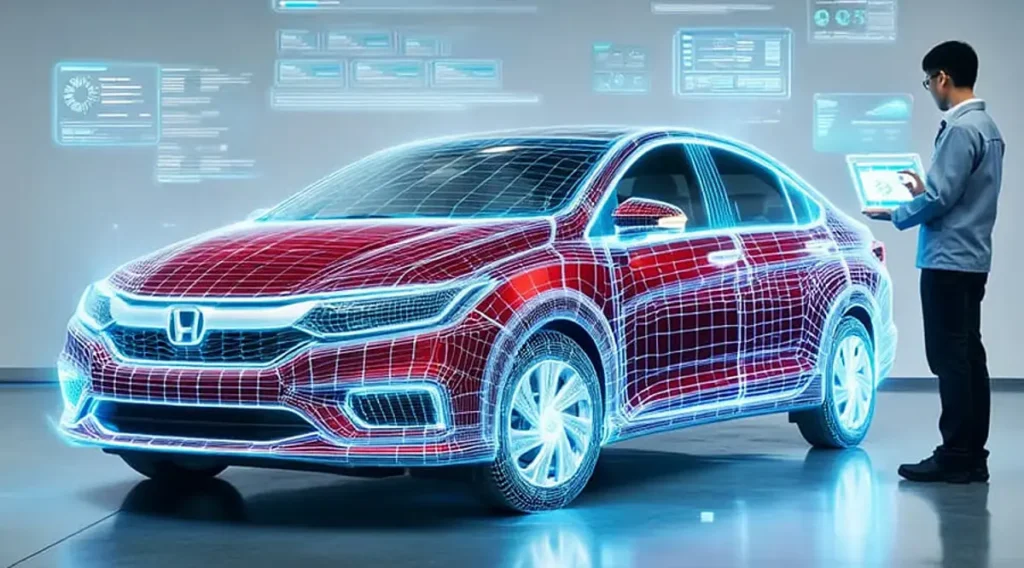
AI has moved beyond basic automation. In 2026, vehicles are becoming software-defined platforms that continuously learn and improve.
Key changes include:
- Real-time decision-making
- Adaptive systems that respond to driver behavior
- Continuous updates without dealership visits
AI is now the backbone of the driving experience.
Enhanced Safety Through AI Systems
Safety is one of the biggest benefits of AI integration.
Modern AI-powered systems include:
- Automatic emergency braking
- Predictive collision avoidance
- Lane-keeping and lane-centering assistance
- Driver monitoring to detect fatigue or distraction
These systems can react faster than human reflexes, significantly reducing accident risk.
Autonomy Is Expanding—Carefully
Fully self-driving cars are still limited, but Level 2 and Level 3 autonomy are becoming standard in many vehicles.
This allows cars to:
- Manage highway driving
- Handle stop-and-go traffic
- Assist with parking and lane changes
Drivers remain responsible, but workload is reduced—especially on long trips.
Personalization, Connectivity, and OTA Updates
AI-driven virtual assistants now control:
- Climate settings
- Navigation
- Entertainment
Vehicles learn preferences over time, adjusting automatically. Over-the-air (OTA) updates and vehicle-to-everything (V2X) communication allow cars to stay current and connected to infrastructure.
AI in Manufacturing and Maintenance
AI doesn’t stop at the dashboard.
Behind the scenes, it:
- Optimizes vehicle aerodynamics
- Improves crash safety design
- Predicts component failures before they happen
This reduces repair costs and unexpected breakdowns.
Why Vehicles Are Getting Massive Wheels

Bigger Wheels, Bigger Presence
In 2026, 22-inch and 23-inch wheels are increasingly common—especially in SUVs and performance vehicles.
Larger wheels deliver:
- A stronger road presence
- A premium, confident aesthetic
- Visual alignment with modern vehicle proportions
For many buyers, design matters as much as performance.
Performance Gains Through Lightweight Materials
The real innovation isn’t size—it’s weight.
Advanced materials such as:
- Forged aluminum
- Hybrid composites
- Carbon-fiber-infused designs
help reduce unsprung mass. This improves:
- Suspension response
- Handling and stability
- Braking efficiency
Why EVs Benefit Most From Bigger, Lighter Wheels
Electric vehicles are heavy due to batteries. Lighter wheels help offset that weight by:
- Improving acceleration
- Extending driving range
- Enhancing braking heat management
For EVs, wheel design is no longer cosmetic—it’s functional.
The Reality Behind 13-Speed Drivetrains
Where 13-Speed Systems Are Actually Emerging
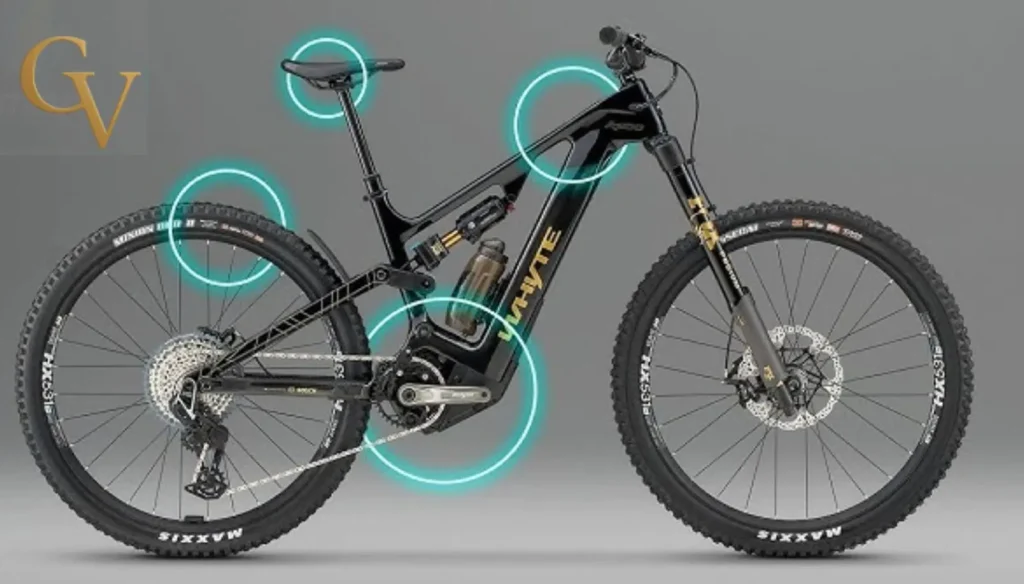
When people talk about 13-speed drivetrains in 2026, they’re mostly referring to performance cycling, not cars.
In high-end bicycles, new wireless 13-speed drivetrains offer:
- Wider gear range
- Smoother cadence transitions
- Greater efficiency for varied terrain
This reflects how precision engineering is advancing across mobility—not just in automobiles.
Automotive Drivetrains Are Taking a Different Path
In cars, especially EVs, the trend is moving away from complex multi-speed transmissions.
Modern vehicles focus on:
- Single-speed gearboxes
- E-axle systems
- Instant torque delivery
The goal is the same: optimized efficiency—but achieved through simplicity rather than more gears.
Efficiency Is the Common Thread
Whether it’s many gears in cycling or fewer gears in EVs, the objective is identical:
- Maximize performance
- Reduce energy loss
- Adapt to real-world conditions
Engineering choices differ, but efficiency drives them all.
Why This Matters for Drivers and Riders
These changes aren’t just technical—they affect daily life.
Smarter vehicles mean:
- Safer commutes
- Less driving fatigue
- Lower maintenance surprises
Improved wheel and drivetrain design means:
- Better handling
- Greater efficiency
- More comfortable rides
At GlobleVide, we see these shifts as part of a broader move toward transportation that feels more intuitive and human-centered.
What This Tells Us About the Future of Vehicles
By 2026, vehicles are evolving into:
- Adaptive digital platforms
- Personalized mobility tools
- Efficient performance machines
The combination of AI intelligence, advanced materials, and drivetrain innovation signals a future where vehicles work with users—not just for them.
Related Reads on GlobleVide
- Godfather of AI Warns 2026 Could Be a “Job Shock” Year — What It Means
- How Americans Are Saving Money Despite Inflation in 2026
- What to Expect From Milan Men’s Fashion Week 2026—and Why It Matters
These articles explore how technology, design, and everyday life intersect.
Final Takeaway
The vehicles of 2026 are defined by intelligence, efficiency, and intentional design.
AI is reshaping how vehicles think and protect us. Massive wheels are evolving from style statements into performance tools. And drivetrain innovation—whether through simplicity or precision—is redefining efficiency.
At GlobleVide, we see this moment as a turning point where technology and transportation finally move in the same direction: smarter, safer, and more human-focused.
Faqs


Why Familiar Foods Are Replacing Expensive Wellness Trends in 2026
For years, wellness meant chasing the next expensive ingredient or viral diet.In 2026, many Americans…

What Is Engain? The AI Tool for Reddit Organic Marketing Explained
Reddit can drive serious traffic—but it’s also easy to get ignored or banned.In 2026, tools…

What Is RapidNative? An AI App Builder for React Native Projects
Building a mobile app usually starts slow.In 2026, tools like RapidNative are trying to flip…

Why Do So Many 2026 Movies Feel Confusing to Audiences?
Last updated: January 21, 2026 Some movies feel confusing because you missed something.Others feel confusing…

What Is Mexty? An AI Tool for Creating Interactive Learning Content
Creating engaging learning content used to take days—and a lot of technical know-how.In 2026, tools…

Best Korean Sunscreens to Try in 2026 (Dermatologist-Loved Picks)
Sunscreen only works if you actually want to wear it.That’s why, in 2026, so many…