
Last updated: January 6, 2026
Eating enough protein in 2026 isn’t just about building muscle—it’s about staying energized, supporting metabolism, and feeling full throughout the day.
“Protein isn’t a trend—it’s a daily nutritional foundation.”
As more Americans focus on practical nutrition, experts recommend choosing high-protein foods that are lean, nutrient-dense, and easy to include in everyday meals.
From affordable animal proteins to plant-based options, a balanced mix can help support long-term health without overcomplicating your diet.
Quick Answer
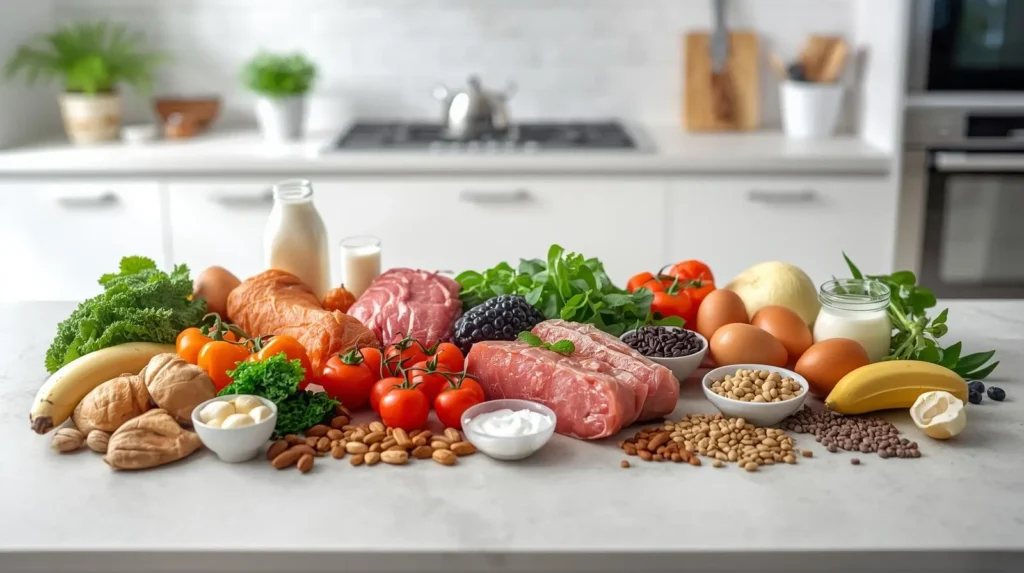
High-protein foods Americans should eat daily include eggs, Greek yogurt, chicken breast, fish, beans, lentils, tofu, nuts, and seeds. These options provide essential amino acids, support muscle and metabolic health, and are easy to include in balanced meals without relying on processed protein products.
Here are the best high-protein foods recommended by nutrition experts in 2025.
Key Points
- Protein supports muscle and bone health
- Helps control hunger and manage weight
- Supports energy levels and metabolism
- Easy to include in daily meals
- Plant-based options are growing in popularity
Top High-Protein Foods to Include in Your Daily Diet
1. Lean Meats & Poultry
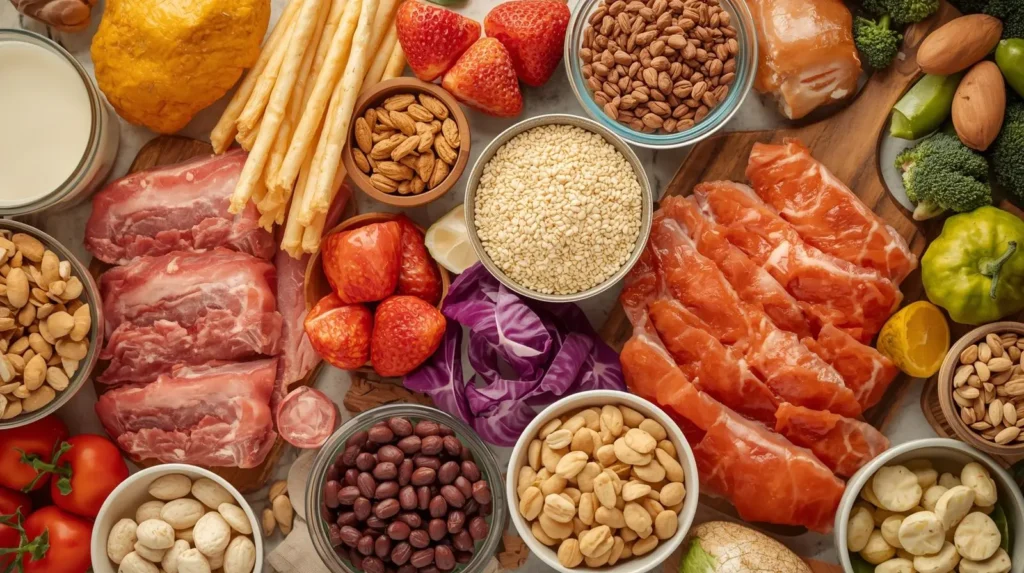
Skinless chicken breast, turkey breast, and lean cuts of beef (like sirloin or round) offer high protein with less saturated fat.
✔ Best for: muscle support, low-fat meals
✔ Avoid: processed meats such as sausage, bacon, and deli slices
2. Fish & Seafood
Salmon, tuna, trout, sardines, and anchovies deliver high-quality protein and heart-healthy omega-3 fatty acids.
✔ AHA recommends seafood 2–3 times per week.
3. Eggs
A complete protein containing all nine essential amino acids.
✔ The yolk provides vitamins D, B12, and choline.
✔ Great for breakfast or meal prep.
4. Low-Fat Dairy
Greek Yogurt
High in protein and calcium. Choose plain, nonfat or low-fat varieties.
Cottage Cheese
A versatile option—pair with fruit, vegetables, or whole grains.
Milk
Offers protein, calcium, and vitamin D. Choose fat-free or low-fat for heart health.
5. Beans, Peas & Lentils
Affordable, filling, and rich in fiber, iron, and potassium. Top picks include:
- Lentils
- Chickpeas
- Black beans
- Edamame (soybeans)
✔ Ideal for vegetarians, vegans, and anyone looking to add more plant-based protein.
6. Soy Products
Tofu, tempeh, and edamame are complete plant proteins and excellent meat alternatives.
✔ Great for stir-fries, salads, and balanced bowls.
7. Nuts & Seeds
Almonds, walnuts, pumpkin seeds, chia seeds, and natural peanut butter add protein, healthy fats, and fiber.
✔ Keep portions moderate—they’re calorie-dense.
8. Whole Grains (Protein Boosters)
Quinoa
A rare grain that is a complete protein.
Oats
Offer slow-release carbs plus a small protein boost.
Key Tips for a Healthier Protein Routine
- Prioritize the “protein package”: Choose foods that deliver nutrients beyond protein—like fiber, vitamins, and healthy fats.
- Mix plant and animal sources for a full nutrient profile.
- Limit processed meats, which are linked to heart disease and high sodium intake.
- Watch portions for calorie-dense foods like cheese and nuts.
- Use healthier cooking methods: baking, grilling, steaming, or air-frying.
A balanced mix of these foods can help Americans meet their daily protein needs and support long-term health.
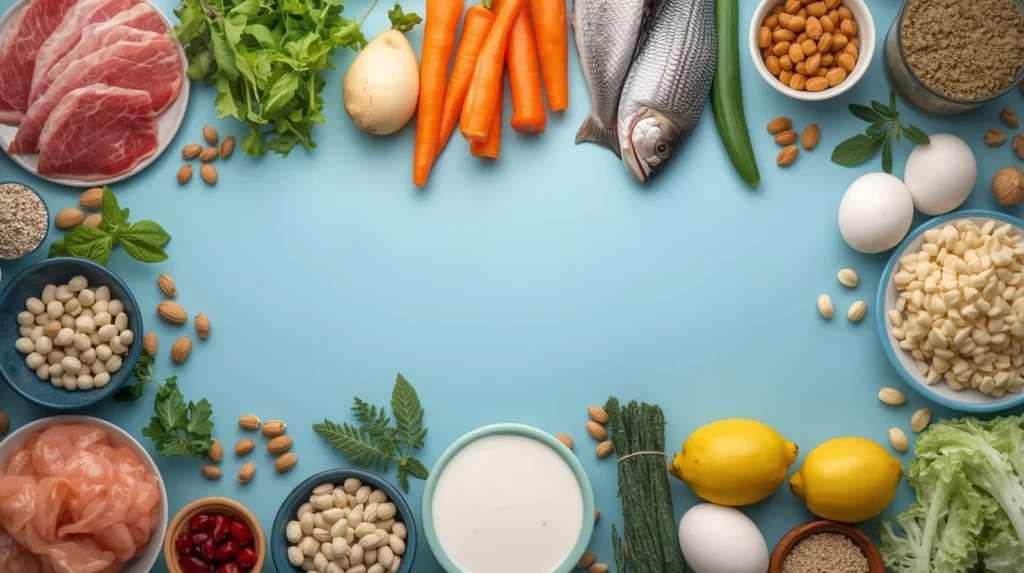
What are the best high-protein foods that everyone can include in their daily diet?
1. Eggs
Eggs are rich in protein and essential vitamins. They are affordable, easy to cook, and ideal for breakfast or snacks.
2. Chicken Breast
Lean chicken is a top choice for muscle building and low-fat meal planning.
3. Greek Yogurt
Packed with probiotics, calcium, and protein—making it a perfect morning or post-workout food.
4. Beans and Lentils
These plant-based proteins offer fiber, iron, and long-lasting energy while being budget-friendly.
5. Salmon
Full of protein and Omega-3 fats that support heart and brain health.
6. Almonds and Nuts
Great for healthy snacking, digestion, and sustained energy throughout the day. if you know Health benefits of almonds read this now.
Why Protein Matters
Protein helps your body:
- build muscle
- recover from exercise
- support metabolism
- maintain energy
- reduce hunger
Eating enough protein helps control weight and supports long-term health.
How Much Protein Do You Need Daily?
Most adults should aim for at least:
- 45–55 grams per day for women
- 55–75 grams per day for men
People who exercise regularly may benefit from higher amounts.
Final Takeaway
Adding protein-rich foods is one of the easiest ways to support your daily nutrition. Whether you choose plant-based sources or lean meats, protein helps promote long-term wellness and healthier eating habits.
FAQs

Hi, i feel that i saw you visited my weblog so i got here to “go back the want”.I am trying to in finding issues to enhance my website!I guess its adequate to use a few of your ideas!!
I really like your article. Thanks for writing this. This information is magnificent. You’ve made my day! Thx again.
You are obviously very knowledgeable. I enjoyed reading this. This is an excellent, an eye-opener for sure! Thumbs up! profile link. Nice read. Great post! I could not stop myself from responding. I truly appreciate this post. Nice read. Thanks for writing this. It’s like you wrote the book on it or something. This information is magnificent. Hit me up! Great post! Great post! You are obviously very knowledgeable.
It’s like you read my thoughts! Good job on this article! I enjoyed your post. Thank you. It’s like you read my thoughts!
Great read.
You appear to know a lot about this. Thanks for sharing your thoughts. I truly appreciate your efforts and I will be waiting for your further post thank you once again. Thumbs up! This information is magnificent.