
For years, wellness meant chasing the next expensive ingredient or viral diet.
In 2026, many Americans are stepping away from expensive wellness trends and rediscovering the power of simple, everyday meals.
Across the U.S., everyday foods like beans, oats, yogurt, and home-cooked staples are replacing costly wellness trends. The shift reflects economic pressure, emotional comfort, and a growing belief that consistency beats complexity.
Quick Answer: How Familiar Foods Are Replacing Expensive Wellness
Familiar foods are replacing expensive wellness trends because consumers want affordable, sustainable nutrition that supports daily life. Instead of niche superfoods, people now focus on fiber-rich staples, balanced meals, and emotional comfort from traditional cooking.
Why Are Familiar Foods Making a Comeback?
Retail data from major U.S. grocery chains shows steady growth in private-label staples like beans, grains, and yogurt, reflecting a broader move toward practical nutrition over premium wellness products.
Is it about money — or something deeper?
Cost plays a big role, but it’s not the whole story. In 2026, consumers are redefining what “healthy” means. Rather than buying niche powders or expensive imports, many people are prioritizing nutrition per dollar.
What’s changing:
- Budget-friendly staples like lentils, pasta, and canned beans are rising again
- Private-label groceries are gaining trust
- People are mixing “trading down” on trendy products with “trading up” on quality basics
However, the bigger shift is psychological. Food is moving away from identity-driven trends toward function and simplicity.
How Has the Definition of “Healthy Eating” Changed?
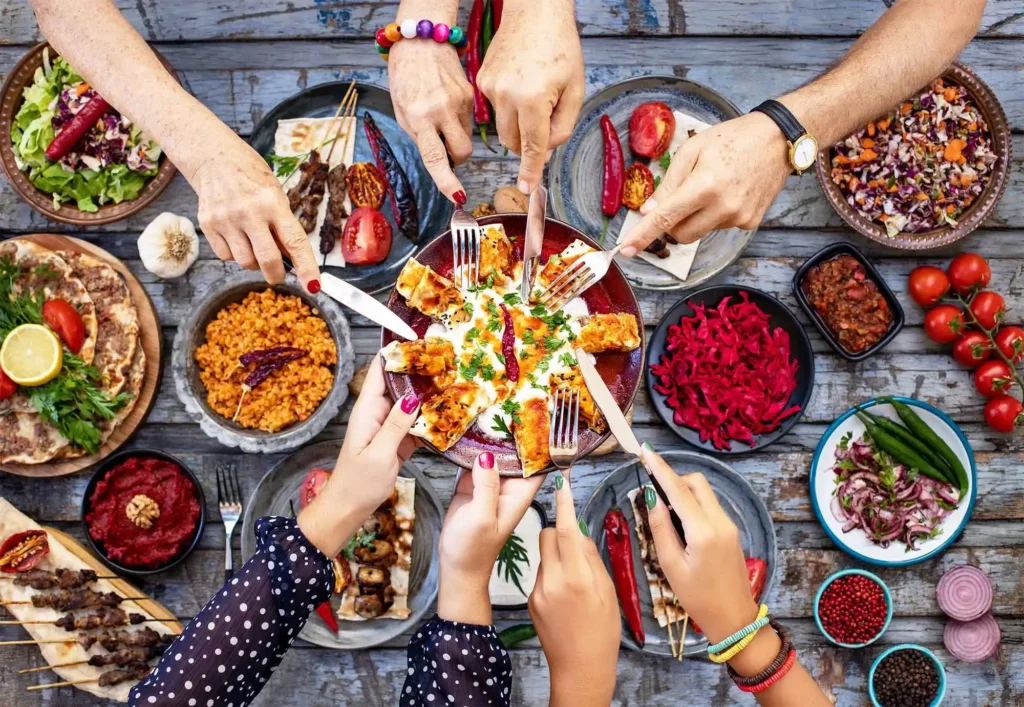
From detox culture to daily habits
In previous years, health often meant strict diets or short-term resets. Now, Americans are leaning toward small, repeatable habits.
Key examples include:
- Fiber-forward meals using oats, vegetables, and legumes
- Fermented foods like yogurt and kimchi becoming everyday staples
- Protein paired with fiber for long-lasting energy
Marie Moldi, a food industry expert, described this moment as a “simplification phase,” where consumers want clarity instead of complicated health messaging.
Information Gain: One overlooked factor is the rise of GLP-1 medications changing appetite patterns. Smaller portions mean people prioritize nutrient density — making familiar, balanced foods more practical than experimental wellness meals.
What Role Does Emotional Comfort Play in 2026 Food Trends?
Why nostalgia matters more than ever
After years of economic uncertainty and digital overload, food has become a source of emotional stability.
I’ve noticed in conversations with home cooks and readers that many aren’t chasing perfection anymore. Instead, they’re rediscovering recipes from childhood — soups, casseroles, and simple grain bowls.
While reviewing recent grocery trend reports and speaking with readers who track food budgets closely, I’ve seen a clear shift toward practical, repeatable meals over experimental diets.
People want meals that:
- Feel grounding
- Require fewer ingredients
- Fit into everyday routines
This return to “grandma-core” cooking isn’t about going backward. It’s about finding calm in something familiar.
How “Quiet Luxury” Is Changing the Way We Eat
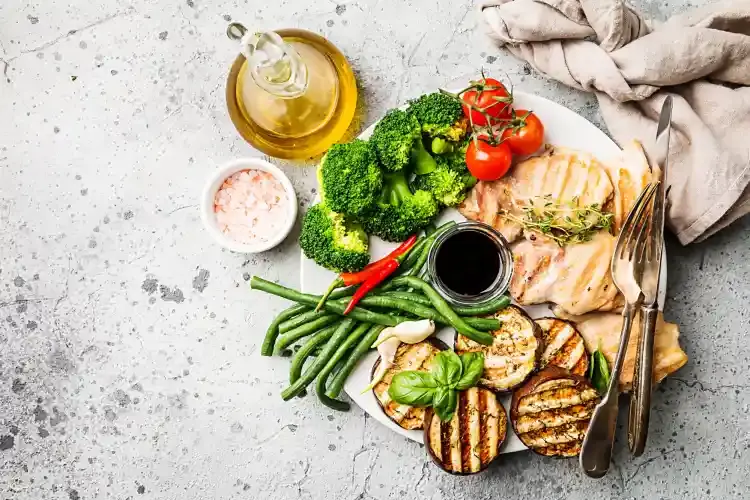
Minimalism over Instagram trends
The flashy, highly stylized food culture of the early 2020s is fading. In its place is what many call quiet luxury — simple dishes built around quality ingredients.
Instead of long ingredient lists, many recipes now focus on:
- Five or six core components
- Local or regional flavors
- Clear, honest preparation methods
For example, rather than buying a high-priced anti-inflammatory powder, people might choose homemade lentil soup or stone-ground grain bread.
If you’ve followed GlobleVide recent food coverage, you’ve probably seen this pattern already: simplicity is becoming the new aspiration.
What Nutrients Are Driving This Shift?
Why fiber and protein are leading the conversation
While protein remains important, fiber is emerging as one of the biggest nutrition themes of 2026.
Consumers are realizing that fiber-rich foods:
- Support digestion and gut balance
- Help maintain energy levels
- Pair naturally with affordable staples
This explains why foods like beans, oats, and whole grains are gaining momentum again.
Internal Insight: Readers exploring everyday nutrition habits may also like our guide on Healthy Snacks Americans Love: Affordable Options for 2026.
What Does This Mean for the Future of Wellness Food?
Integration instead of disruption
The biggest takeaway from 2026 isn’t that wellness is disappearing — it’s becoming quieter.
Instead of chasing trends, people are integrating nutrition into normal meals:
- High-fiber pasta replacing specialty products
- Fermented foods becoming daily habits
- Smaller, nutrient-dense portions replacing oversized “performance” meals
In contrast to past years, wellness now feels less like a lifestyle brand and more like a daily practice.
Why Familiar Foods Are Replacing Expensive Wellness Matters
Food trends often reflect deeper cultural shifts. The move toward familiar foods shows that Americans are prioritizing stability, affordability, and emotional well-being.
This isn’t just about eating cheaper. It’s about reclaiming control over health in a world filled with overwhelming choices.
For creators and marketers — something we discuss often on GlobleVide — understanding this mindset is crucial. Messaging built around simplicity and authenticity resonates more than ever.
For readers interested in building everyday meals around simple, traditional ingredients, our guide on How to Build a Healthy Grocery List on a Budget (U.S. Edition 2026) breaks down how staples like vegetables, grains, and proteins fit into affordable, balanced cooking.
Key Takeaways (Skimmable)
- Familiar foods are replacing expensive wellness trends in 2026
- Consumers now prioritize nutrition per dollar and practical meals
- Fiber-rich staples like beans, oats, and fermented foods are rising again
- “Quiet luxury” focuses on simple, high-quality ingredients instead of flashy health claims
- Smaller portions and nutrient density are shaping eating habits
- Emotional comfort and nostalgia play a big role in food choices today
- Wellness is shifting from short-term fixes to daily sustainable habits
Frequently Asked Questions
Related Reads on GlobleVide
- What Is Pravi Celer? Meaning, Health Benefits, and How It’s Used
- How to Build a Healthy Grocery List on a Budget (U.S. Edition 2026)
- Healthy Snacks Americans Love: Affordable Options for 2026
- Best High-Protein Foods Americans Should Eat Daily
- Health Benefits of Almonds: Why Americans Are Eating More Nuts in 2026
Final Thought
The biggest food trend of 2026 isn’t a new ingredient. It’s a mindset shift. People are choosing meals that feel familiar, nourishing, and realistic — proving that sometimes the future of wellness looks a lot like the past, just with a little more intention.

Editorial Note: This article follows GlobleVide’s Editorial Policy and Fact-Checking Policy.
Why Familiar Foods Are Replacing Expensive Wellness Trends in 2026
For years, wellness meant chasing the next expensive ingredient or viral diet.In 2026, many Americans…

What Is Engain? The AI Tool for Reddit Organic Marketing Explained
Reddit can drive serious traffic—but it’s also easy to get ignored or banned.In 2026, tools…

What Is RapidNative? An AI App Builder for React Native Projects
Building a mobile app usually starts slow.In 2026, tools like RapidNative are trying to flip…

Why Do So Many 2026 Movies Feel Confusing to Audiences?
Last updated: January 21, 2026 Some movies feel confusing because you missed something.Others feel confusing…

What Is Mexty? An AI Tool for Creating Interactive Learning Content
Creating engaging learning content used to take days—and a lot of technical know-how.In 2026, tools…

Best Korean Sunscreens to Try in 2026 (Dermatologist-Loved Picks)
Sunscreen only works if you actually want to wear it.That’s why, in 2026, so many…