
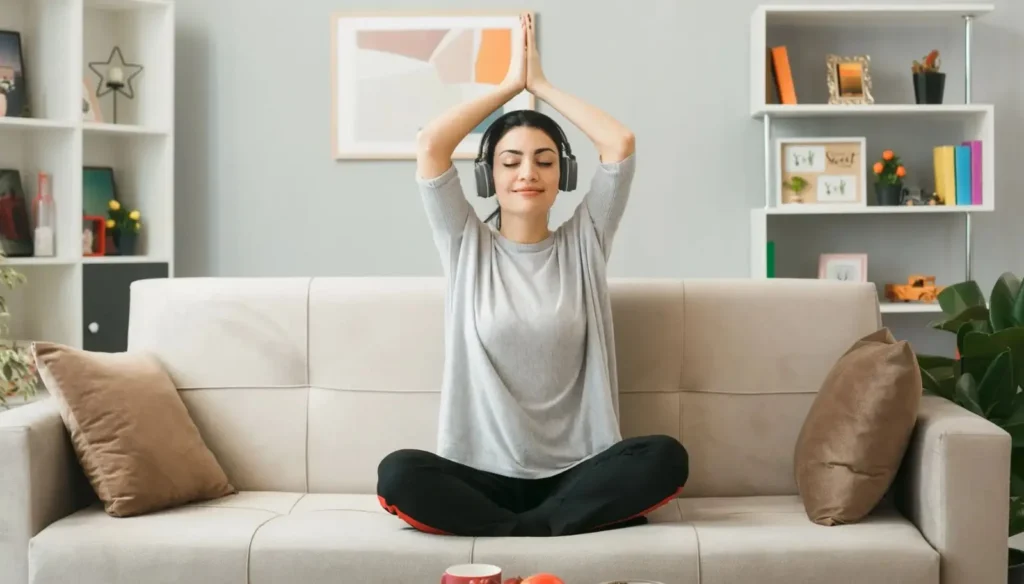
In 2025, Americans are focusing more than ever on simple, realistic habits to improve their mental health. Instead of complicated wellness routines, people are turning to lifestyle changes, mindfulness, better sleep, and stronger social connections — all backed by recommendations from experts like the American Psychological Association (APA) and the CDC. Mental health resolutions are now a major part of Americans’ yearly goals, with many trying to build healthier daily habits. Stress affects millions of Americans, especially with fast work schedules, rising living costs, and constant screen time. In 2025, more people are taking simple steps to improve mental health, reduce stress, and create calmer daily routines. Experts say small habits practiced daily can make a big impact on emotional wellbeing.
Here are the most effective stress-relief methods Americans use today.
Key Points
- Mental health awareness continues rising
- Stress affects sleep and energy
- Simple habits work well
- Self-care is becoming essential
- Free or low-cost methods available
Lifestyle Habits Americans Are Using to Reduce Stress (2025)

1. Physical Activity
Regular movement remains one of the most effective stress relievers. Walking, running, yoga, pilates, and strength training help lower stress hormones and release endorphins — the “feel-good” chemicals. Even a 10–15 minute walk is enough to help reset the mind.
2. Mindfulness, Meditation & Breathwork
Practices like deep breathing, grounding exercises, and guided meditation continue to grow in popularity. Studies show these methods help reduce cortisol (the stress hormone) and improve focus. Apps such as Headspace, Calm, and Insight Timer remain top choices for Americans building a daily mindfulness habit.
3. Better Sleep Routines
Getting consistent, quality rest is now viewed as essential mental healthcare. Most adults aim for 7–9 hours per night. Popular habits include:
- Setting a fixed bedtime
- Reducing screen time before sleep
- Creating a cool, quiet sleep environment
Poor sleep is closely linked to anxiety, irritability, and burnout — so improving sleep is a major priority.
4. Time in Nature
Whether it’s a walk in a city park or weekend hiking, spending even short periods outdoors has been shown to lower stress, improve clarity, and boost mood. “Nature breaks” are trending as a simple mental reset.
5. Healthier Eating Patterns
Diet is closely tied to mood and energy. Americans are leaning toward:
- More fruits, vegetables, whole grains
- Lean proteins and omega-3 rich foods
- Fewer ultra-processed snacks and sugary drinks
A balanced diet supports stable energy and better emotional wellness.
6. Journaling & Creative Outlets
Writing down thoughts, expressing emotions through art, or using a gratitude journal are all proven ways to reduce mental load. Creativity is becoming a widely used stress-management tool, with many adults turning to drawing, music, or puzzles for mental relief.
7. Setting Boundaries & Avoiding Burnout
More Americans are learning to say “no” and protect their time. Setting boundaries at work, limiting overwhelming commitments, and prioritizing rest have become essential self-care skills in 2025.
Want easy habits that support mental wellness? Read Simple Lifestyle Habits for Better Health in 2025 to start building a calmer routine.
Social Support & Professional Help
1. Building Stronger Connections
Meaningful social interactions are one of the strongest protective factors against stress. The APA reports a growing gap between the need for emotional support and what people actually receive, making connection more important than ever. Friendships, family time, local communities, and support groups all provide buffer against stress and loneliness.
2. Increased Use of Therapy & Online Mental Health Tools
More Americans are seeking therapy in 2025, and telehealth services are making mental health care more accessible:
- Online therapy platforms
- AI-supported mental health apps
- Virtual counseling programs through insurers and employers
Younger adults (Gen Z and Millennials) especially embrace digital tools and holistic mental wellness habits.
3. Workplace Mental Health Support
Employers are offering expanded mental health benefits, including:
- Free therapy sessions
- Stress-management workshops
- Employee Assistance Programs (EAPs)
- Flexible schedules
With burnout on the rise, workplace support is now a major priority across industries.
Discover how daily wellness habits are evolving by exploring Healthy Lifestyle Living Trends in the U.S.
Generational Differences
- Gen Z & Millennials tend to adopt a holistic approach — meditation apps, social media breaks, mental health skincare routines, journaling, and therapy.
- Older generations often rely more on traditional treatment such as therapist visits or medical support.
Despite differences, all age groups are placing greater emphasis on mental health than in previous decades.
Popular Stress Relief Habits in the U.S.

Mindfulness and Meditation
Short sessions of guided breathing or meditation help calm the mind and reduce anxiety. Many Americans use mobile apps for support.
Daily Movement
Walking, stretching, or light exercise boosts energy and improves mood without needing gym workouts.
Find more stress-reducing lifestyle ideas in our Lifestyle Category.
Better Sleep Habits
Improving sleep routines supports mental clarity, reduces irritability, and balances emotional health. Experts recommend avoiding screens before bed.
Limiting Social Media
Reducing screen time improves focus and reduces comparison stress and digital fatigue.
Talking With Family or Friends
Social connection is important for reducing loneliness and emotional pressure. Americans benefit from regular conversations and supportive relationships.
See how global communities approach mental wellness on Globlevide.
Therapy and Counseling
More Americans are using mental health resources, including online therapy, counseling, and wellness support services.
What Causes Stress Today?
Common causes include:
- financial pressure
- work deadlines
- digital overload
- lack of sleep
- health concerns
Mental Health Awareness Growing
Schools, workplaces, and community groups now promote mental wellbeing, self-care tips, and emotional support resources.
Final Takeaway
Mental health is a priority for Americans in 2025. By practicing simple habits like mindfulness, sleep improvement, and daily movement, people can reduce stress and improve emotional wellbeing.
FAQs
