

Yes, A mutated strain of Influenza A (H3N2)—known as subclade K—is fueling an unusually early surge in flu cases across the United States as the 2025–2026 flu season gets underway. Health experts say the U.S. is now following a pattern already seen in other parts of the world, where this variant triggered earlier and more intense outbreaks. As winter arrives, the 2025–26 influenza (flu) season in the United States is gaining momentum earlier than expected, driven in part by a newly emerged flu variant known as H3N2 subclade K. Health officials are reporting rising cases, increasing hospital visits in states like Texas, and flu symptoms across a range of age groups. This season’s activity highlights the importance of vaccination, awareness of common flu symptoms 2025, and early precautions as the virus circulates nationwide.
Key Influenza Updates: U.S. Flu Season 2025–26
Seasonal influenza activity is continuing to rise across most parts of the United States, according to the latest CDC data. While several flu indicators are now elevated, health officials emphasize that overall severity remains low, signaling that the flu season is still in its early stages.
Rising Flu Activity Nationwide
National surveillance shows an increase in:
- The percentage of respiratory samples testing positive for influenza
- Outpatient and emergency department visits linked to flu-like illness
- Influenza-related hospitalizations and deaths
The timing of this increase closely mirrors patterns seen in several previous flu seasons.
Why the Subclade K Variant Is Spreading Faster
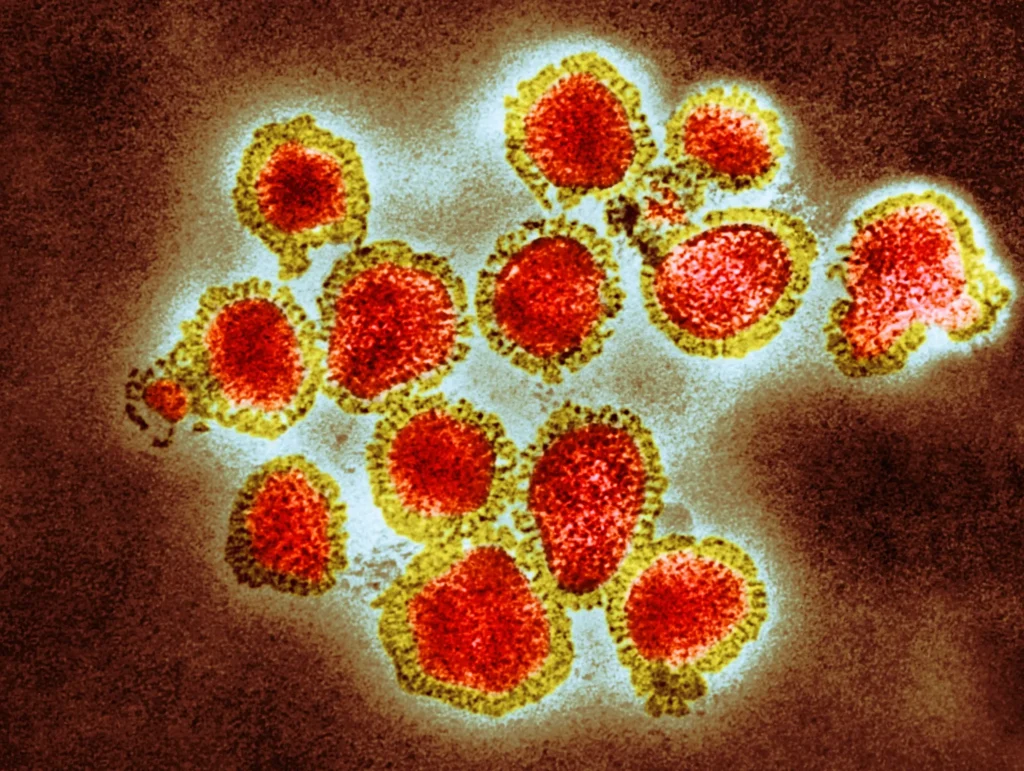
The H3N2 subclade K strain carries several genetic changes that allow it to partially evade immunity from past flu infections. Because the current seasonal flu vaccine was developed before this variant became widespread, its effectiveness may be somewhat reduced against subclade K—though it still offers important protection against severe illness.
This immunity gap has helped the virus spread more quickly than usual. While flu season typically peaks between December and February, influenza activity began rising weeks earlier in 2025. By mid-December, doctor visits for flu-like symptoms had already crossed the national baseline, with multiple states reporting moderate to high influenza activity.
Flu Symptoms Americans Are Seeing in 2025
Symptoms linked to the subclade K variant are similar to those seen with other seasonal flu strains. However, H3N2 viruses are known to cause more severe illness, especially among older adults and young children.
Common flu symptoms in 2025 include:
- Sudden high fever and chills
- Intense muscle and body aches
- Extreme fatigue or weakness
- Dry, persistent cough
- Sore throat
- Headache
- Runny or stuffy nose
- Nausea, vomiting, or diarrhea (more common in children)
When to Seek Medical Care
Most people recover from the flu within one to two weeks, but complications such as pneumonia can occur, particularly in high-risk individuals. The CDC urges Americans to seek immediate medical attention if they experience:
- Trouble breathing or shortness of breath
- Ongoing chest or abdominal pain
- Dizziness, confusion, or difficulty waking
- Seizures
- Severe muscle pain or extreme weakness
- Fever or cough that improves but then returns
- Little or no urination, a sign of dehydration
How to Protect Yourself This Flu Season
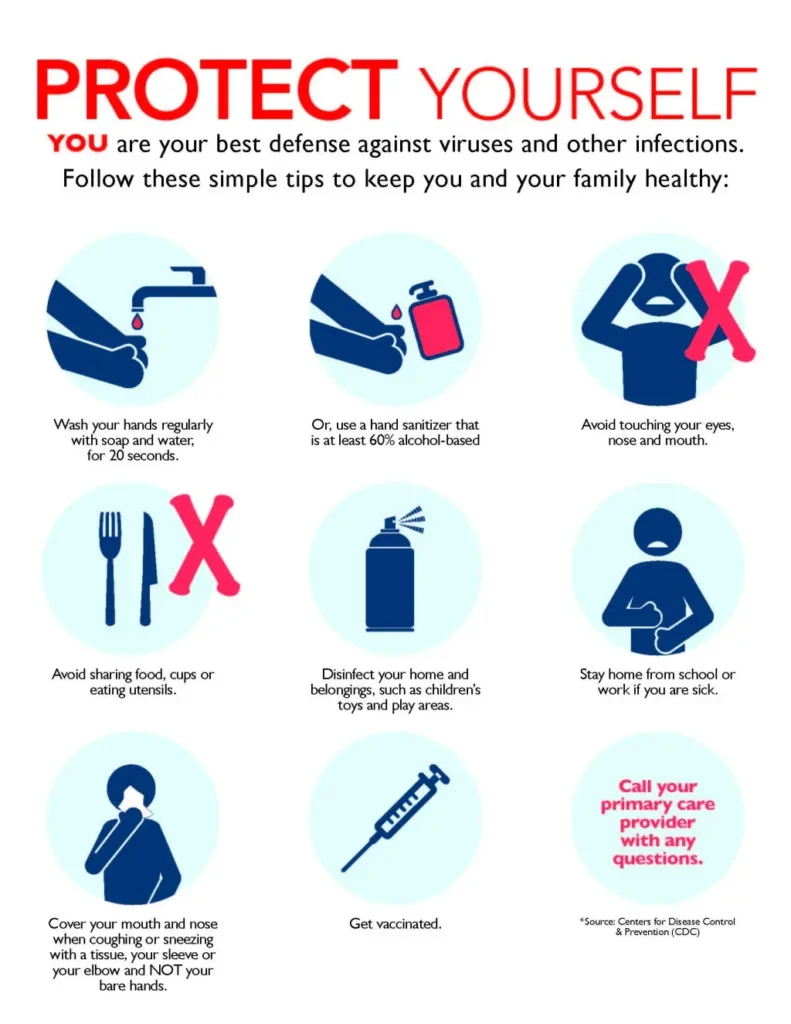
Health officials continue to stress that vaccination remains one of the most effective defenses, even with the emergence of new variants. Staying home when sick, washing hands frequently, and avoiding close contact with others while ill are also critical steps to slow transmission.
As influenza activity accelerates earlier than expected, experts urge Americans to remain alert and take preventive measures seriously throughout the 2025–2026 flu season.
Flu Activity Is Rising Across the U.S.
According to the latest CDC Weekly US Influenza Surveillance Report for Week 49 (ending December 6, 2025), influenza activity continues to increase in most regions of the country. Positive test results for influenza, outpatient and emergency department visits for influenza-like illness (ILI), and hospitalizations have all risen compared with previous weeks. CDC
The CDC now estimates that this season has led to millions of illnesses, tens of thousands of hospitalizations, and more than a thousand deaths so far, underscoring that flu activity isn’t just beginning—it’s building. CDC
Influenza A (specifically H3N2 and its variants) accounts for the majority of circulating viruses, a pattern that often correlates with more severe seasons, especially among young children and older adults. CDC
What Is the Subclade K Variant and Why It Matters
A key driver of this early rise is the H3N2 subclade K variant, a mutation of the influenza A (H3N2) virus first identified by the CDC in August 2025. These viruses have “antigenic drift”—small genetic changes that differentiate them from the viruses represented in this year’s flu vaccine. CDC
While not necessarily more severe per infection, subclade K is spreading more efficiently and earlier than typical seasonal flu strains. In some regions, it now makes up a large portion of flu viruses detected. CDC
Experts warn that even though the 2025–26 flu shot may not be an ideal match for subclade K, vaccination still offers significant benefits, reducing the risk of severe illness, hospitalizations, and death, and helping curb overall influenza spread. Stony Brook Medicine Health News.
Flu Symptoms 2025: What to Watch For
Symptoms of influenza—regardless of specific strain—can come on suddenly and include:
- Fever or chills
- Cough
- Sore throat
- Runny or stuffy nose
- Body aches
- Headache
- Fatigue or extreme tiredness
- Sometimes vomiting and diarrhea (more common in children)
These flu symptoms 2025 are similar to prior seasons, though early reports suggest some people may experience more pronounced fatigue or body aches with the new subclade K strain.
Because these symptoms can resemble COVID-19 or RSV (respiratory syncytial virus), testing may be needed to confirm influenza infection.
Texas Is Seeing an Early Rise in Cases and Hospitalizations

Public health officials in Texas are already sounding the alarm as flu cases and related hospital visits climb. In several weeks ending in early December, Texas reported over 5,000 weekly flu cases, more than double the numbers seen at the same time last season.
Hospitalization rates among older adults (65+) have also increased noticeably, with recent weeks showing nearly 7.4 hospitalizations per 100,000 people in this age group—up from about 2.2 per 100,000 a month earlier.
This rise is likely linked to subclade K’s earlier spread and holiday travel patterns, which bring more interpersonal contact and virus transmission. State health leaders emphasize that it is still early in the flu season, making prompt vaccination more important than ever.
Why This Season Started Early
Several factors may be contributing to the early and steeper-than-normal flu activity in 2025:
- Subclade K’s rapid spread and antigenic drift from vaccine strains. CDC
- Lower flu vaccine uptake compared to past seasons in some populations. AP News
- Increased social mixing and travel during the holiday season.
- Co-circulation of other respiratory viruses like RSV.
Health officials note that flu seasons dominated by H3N2 variants often lead to higher rates of hospitalizations and severe illness, particularly among older adults and very young children. The Times of India
Protecting Yourself and Your Community

Even with the challenges presented by subclade K, there are several effective steps individuals can take:
Get Vaccinated
The CDC continues to recommend annual influenza vaccination for everyone 6 months and older, especially those at higher risk. Available data suggest that the flu shot still provides real-world protection against severe outcomes. CDC
Practice Good Hygiene
Regular handwashing, covering coughs and sneezes, and cleaning frequently touched surfaces can help slow transmission.
Stay Home When Sick
Limiting contact with others when experiencing flu symptoms 2025 helps prevent disease spread, especially to older adults and those with weakened immune systems.
Consider Antiviral Treatment
If diagnosed early, antiviral medications can reduce symptom duration and risk of complications, especially in high-risk patients.
First Pediatric Flu Death Reported
The CDC confirmed the first influenza-associated pediatric death of the 2025–2026 season this week, a milestone that typically signals broader community spread as the season progresses.
Influenza A(H3N2) Dominates Early Season
Influenza A viruses are overwhelmingly driving current infections:
- During Week 49, public health labs reported 547 influenza cases
- 525 were Influenza A, while 22 were Influenza B
- Of the Influenza A samples that were subtyped:
- 86% were A(H3N2)
- 14% were A(H1N1)pdm09
Subclade K Identified as Primary Driver
A newly recognized Influenza A(H3N2) strain—subclade J.2.4.1, now referred to as H3N2 subclade K—was first identified by the CDC in August 2025. These viruses contain small genetic changes in the hemagglutinin protein and are considered “antigenically drifted” compared to the H3N2 strain included in the 2025–26 flu vaccine.
Among H3N2 samples collected since late September:
- 89% belonged to subclade K, confirming it as the dominant circulating strain
What This Means for Vaccine Effectiveness
When circulating flu viruses drift from vaccine strains, vaccine effectiveness can be reduced, but CDC officials stress that vaccination still provides critical benefits:
- Reduces the risk of severe illness, hospitalization, and death
- Protects against other flu strains included in the vaccine
- Helps limit overall community spread
Early data from England shows encouraging results:
- 70–75% effectiveness against flu-related hospitalization in children
- 30–40% effectiveness in adults
U.S.-based vaccine effectiveness networks are currently collecting real-world data and will release early estimates once flu activity increases further. for know more related news you can visit Globlevide now.
Flu Impact So Far This Season
CDC estimates that the U.S. has already seen at least:
- 2.9 million flu illnesses
- 30,000 hospitalizations
- 1,200 deaths
CDC Guidance for Americans
Health officials continue to recommend:
- Annual flu vaccination for everyone 6 months and older who has not yet been vaccinated
- More than 127 million flu vaccine doses have already been distributed nationwide
Prescription antiviral medications are also available and are most effective when started early—especially for people at higher risk of complications.
Other Respiratory Viruses Being Monitored
Influenza is circulating alongside other respiratory viruses, including COVID-19 and RSV. The CDC now publishes integrated weekly updates covering all three.
Importantly, no new human cases of Influenza A(H5) were reported this week, and there remains no evidence of human-to-human transmission of that virus in the United States.
Early Outlook: What Experts Expect
Although flu activity is currently increasing, overall national severity indicators remain relatively low. However, this trend could change as the season progresses into January and February, historically peak months for influenza circulation. CDC
With subclade K continuing to circulate and holiday travel increasing contact opportunities, public health officials are urging vigilance, vaccination, and good respiratory hygiene to mitigate risks as the season moves forward.
Final Takeaway
The influenza season in the U.S. is starting early and steadily rising in 2025, driven by a new subclade K variant of H3N2. Understanding flu symptoms 2025, taking preventive steps, and following public health guidance can help protect individuals, families, and communities throughout the winter flu season.
FAQs
