

Aspartame, one of the most commonly used artificial sweeteners in diet sodas, sugar-free gum, and low-calorie foods, is once again under scientific scrutiny. A new study suggests that even low levels of aspartame consumption may negatively affect heart health and brain function, raising fresh questions for health-conscious Americans who regularly choose sugar-free products. according to new research
A study published in Biomedicine & Pharmacotherapy suggests that aspartame, one of the most common sugar substitutes in the U.S., could be linked to reduced heart function and cognitive decline, even when consumed at relatively low levels. For U.S. health enthusiasts searching “aspartame heart brain risks 2025 study” or “diet soda dangers latest research,” this raises red flags on zero-calorie swaps.
While the findings are based on animal research, scientists say the results raise important questions about the long-term safety of artificial sweeteners many Americans consume daily.
What Is Aspartame — and Where Is It Found?
Aspartame is an artificial sweetener commonly used as a sugar alternative in:
- Diet sodas
- Sugar-free chewing gum
- Low-calorie ice cream and dairy products
- Breakfast cereals
- “Light” or “zero sugar” snacks
- Some over-the-counter medications
It is often marketed as a weight-friendly option because it contains few to no calories and does not spike blood sugar like traditional sugar.
What the New Study Found about Aspartame Study & Key Findings
Researchers at Spain’s Center for Cooperative Research in Biomaterials fed mice aspartame for a year at doses far below human ADIs (acceptable daily intakes). It examined how long-term aspartame intake affected mice over a 12-month period. Results showed 20% body fat loss but troubling side effects: mild cardiac hypertrophy (heart muscle thickening that impairs pumping) and neurobehavioral changes like reduced memory, spatial awareness, and speed in maze tests. No overt symptoms appeared, mirroring silent human risks like shortness of breath or arrhythmias per Mayo Clinic data.
The mice were given a dose equivalent to just one-sixth of the recommended daily intake for humans, making the findings particularly notable.
Key findings included:
- Mild cardiac hypertrophy (thickening and stiffening of the heart muscle)
- Reduced cognitive performance, including memory and spatial awareness
- Altered neurobehavior, measured through maze-based testing
- Reduced body fat (Approximately 20% on average)
- Declines in memory, spatial awareness, and cognitive speed
What Aspartame Does in Diet Products
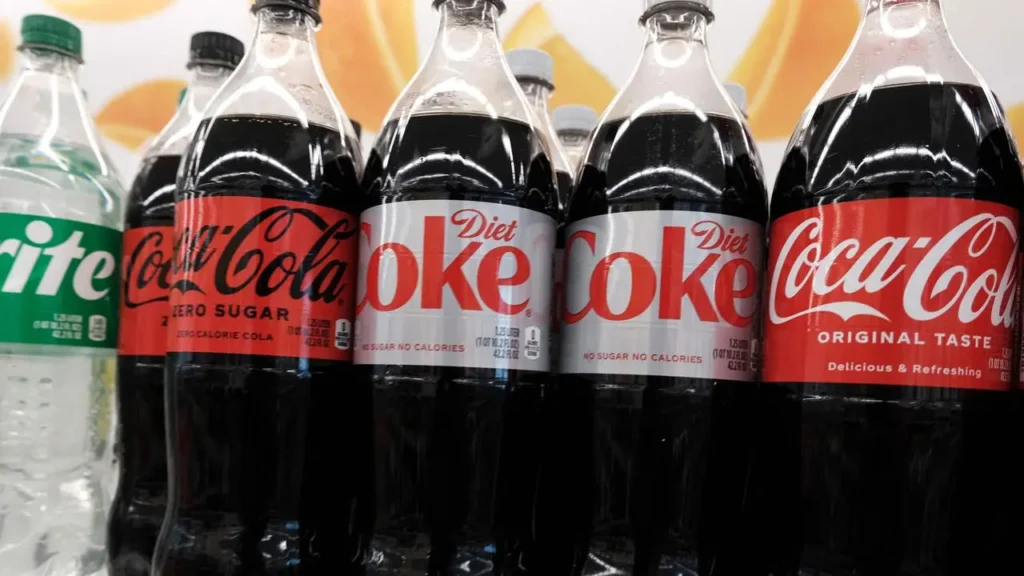
Found in Diet Coke, sugar-free gum, yogurt, cereals, and meds, aspartame offers sweet taste without calories—approved by FDA and WHO up to 50 mg/kg body weight daily. This study challenges that, suggesting even modest intake (e.g., one diet soda) might subtly harm organs over time, echoing debates on long-term artificial sweetener effects. for read more article and what’s going on world need to know explore GlobleVide now!
Study Timeline and Methods
- Setup: Mice got aspartame mirroring human low-use levels.
- Duration: One year of monitoring.
- Tests: Heart exams revealed stiffening; Barnes maze assessed brain function.
- Conclusion: “Permitted doses compromise major organs—reassess limits,” authors warn.
Unique Angle: Broader Artificial Sweetener Trends
Beyond aspartame, 2025 sees rising U.S. scrutiny on erythritol and sucralose via gut microbiome links, with apps like MyFitnessPal adding warning labels. Lifestyle experts note swapping to stevia or monk fruit for “natural zero-calorie alternatives post-aspartame study.”
Why This Matters for U.S. Diet Soda Drinkers
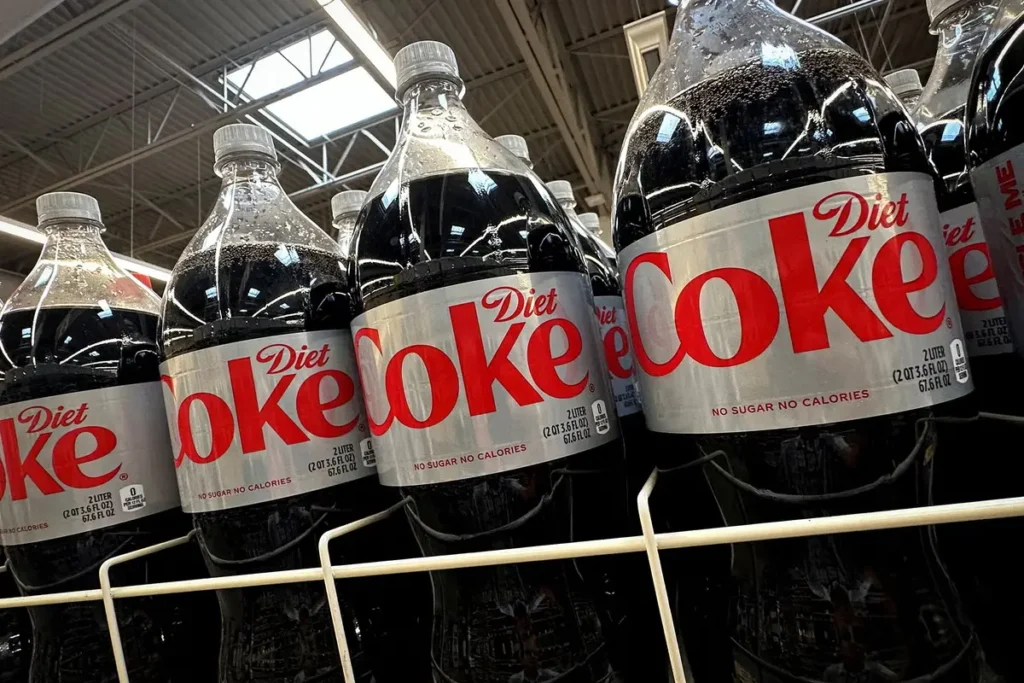
This “aspartame cognitive decline heart risks mice study” fuels lifestyle shifts toward whole foods amid obesity battles. Moderation reigns: track intake via apps, consult docs for heart concerns, and watch FDA responses. Small changes today guard tomorrow’s health, if you are interested in read more health articles you can visit our Health Category now!
How Aspartame May Affect Heart Function
The study linked aspartame consumption to cardiac hypertrophy, a condition in which the heart muscle becomes thicker and less flexible.
According to Mayo Clinic, many people with cardiac hypertrophy experience no early symptoms, but the condition can increase the risk of:
- Shortness of breath
- Chest pain
- Irregular heart rhythms
- Heart failure
- Sudden cardiac events in severe cases
While the study was conducted on mice—not humans—researchers say the findings raise concerns about long-term cardiovascular effects of artificial sweeteners. Researchers noted that even mild stiffening can reduce the heart’s ability to pump blood efficiently over time.
What the Study Revealed About Brain and Cognitive Health Effects Observed
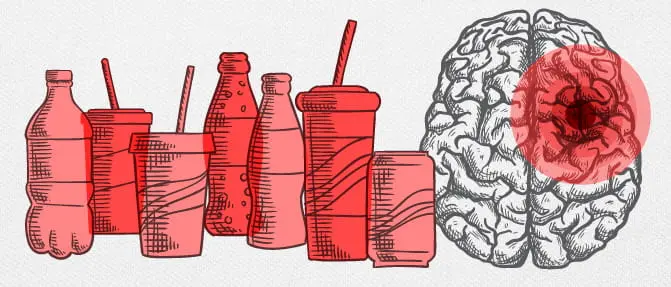
To assess brain function, scientists used behavioral and memory tests, including the Barnes maze. In addition to heart changes, mice consuming aspartame showed altered neurobehavior during cognitive testing.
Using the Barnes maze—a standard test for learning and memory—researchers observed:
- Decreased spatial awareness
- Lower memory capacity
- Reduced movement speed and response times
- Signs of impaired learning
Researchers described these effects as “altered neurobehavior,” suggesting potential long-term impacts on brain performance. These results suggest a potential link between aspartame and cognitive decline, even when consumed in relatively small amounts.
Why Low-Dose Findings Matter
One of the most striking aspects of the study is that negative effects appeared at doses far below current safety limits.
“This suggests that even permitted doses of aspartame can compromise the function of major organs,” the researchers wrote, adding that safety thresholds for humans may need to be reassessed.
One of the most striking aspects of this research is the low dose used. The mice consumed the equivalent of one-sixth of the acceptable daily intake for humans, well below the safety limits currently allowed.
Researchers concluded that:
“Even low doses of aspartame can compromise the function of major organs.”
They added that the results may justify re-evaluating current safety guidelines for human consumption.
What Health Experts Say So Far
It’s important to note that this research was conducted in mice, not humans. However, animal studies are often used to identify early biological risks that may later be confirmed in human studies.
The World Health Organization has previously reviewed artificial sweeteners, noting that long-term health impacts remain an active area of research, particularly regarding cardiovascular and metabolic health.
Health experts generally advise moderation and caution, especially for people who consume multiple artificially sweetened products daily.
Where Aspartame Is Commonly Found
Aspartame is widely used in everyday products, especially those marketed as “diet” or “sugar-free.” According to the World Health Organization, it is commonly found in:
- Diet sodas and zero-sugar soft drinks
- Sugar-free chewing gum
- Low-calorie ice cream and dairy products
- Breakfast cereals
- Some over-the-counter medications
For Americans trying to reduce sugar intake, these products are often consumed daily—sometimes without much thought about cumulative exposure.
Should Americans Stop Drinking Diet Soda?

The study does not prove that aspartame causes heart disease or cognitive decline in humans. However, it adds to a growing body of research suggesting that “sugar-free” does not always mean risk-free. Health experts caution that animal studies do not always translate directly to humans, and more research is needed before drawing firm conclusions. Still, the findings add to a growing body of research questioning the long-term effects of artificial sweeteners.
Nutrition experts recommend:
- Limiting daily intake of diet sodas and sugar-free gum
- Alternating with water, sparkling water, or unsweetened beverages
- Reading ingredient labels carefully
- Avoiding excessive reliance on artificial sweeteners for weight control
People with existing heart conditions or concerns about cognitive health may want to discuss artificial sweetener intake with a healthcare provider.
The Bigger Picture: Rethinking “Sugar-Free”
For years, artificial sweeteners like aspartame have been promoted as a healthier alternative to sugar, especially for weight management and diabetes prevention. This study highlights a more complex reality: lower calories do not always mean lower health risk.
As researchers continue to study how artificial sweeteners interact with the heart, brain, and metabolism, consumers may need to rethink how often they rely on diet sodas and sugar-free snacks.
Final thought
A new scientific study suggests that aspartame—even at low doses—may negatively affect heart and brain function in mice. While more human research is needed, the findings raise important questions about the long-term safety of one of America’s most popular artificial sweeteners.
As the science evolves, moderation and awareness remain key for consumers navigating the world of “diet” and “sugar-free” foods.
Faqs
