
No, national home prices are not expected to decline in 2025 or 2026. Most major forecasts—including analysis from J.P. Morgan, Globle Vide and the National Association of Realtors (NAR)—expect prices to keep rising, but at a slower pace. The main reasons are continued housing shortages and a strong labor market. The U.S. housing market has been one of the most discussed economic topics in recent years, with rising home prices, high mortgage rates, and limited housing supply making it difficult for many Americans to buy a home. As 2025 moves toward 2026, buyers and renters continue asking one question: Will home prices finally come down?
Economists say housing trends depend on interest rates, construction activity, and household demand across different regions of the United States.
Key Points
- Home prices may stabilize but are unlikely to drop nationwide
- Mortgage rates depend on Federal Reserve decisions
- Housing supply is still limited in many U.S. cities
- Some regions may see price declines
- Rent prices remain high for millions of Americans
Housing Market Forecast 2025–2026
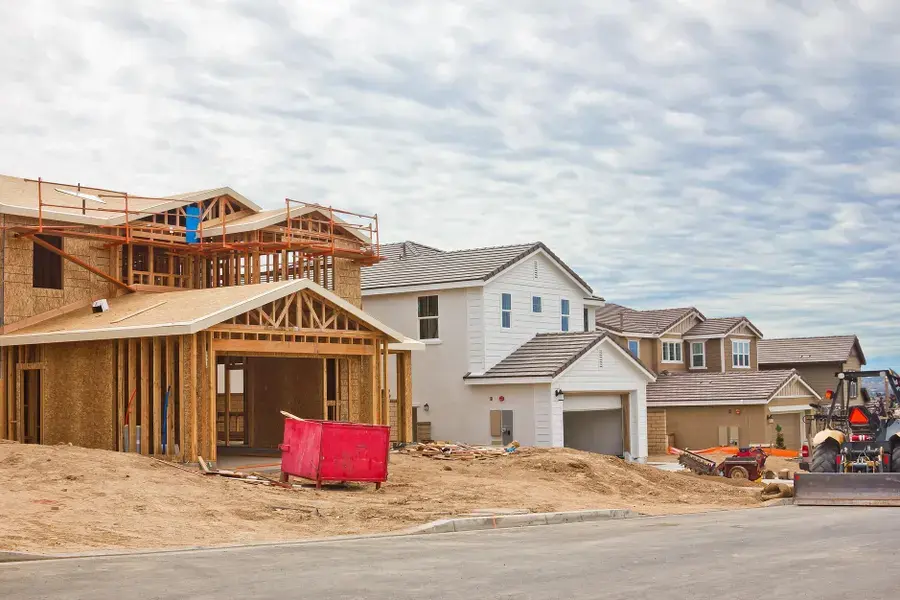
Experts describe the market outlook as a “normalization, not a crash.” Prices are unlikely to fall sharply because the U.S. still does not have enough housing supply to meet buyer demand.
Key Predictions
Home Prices
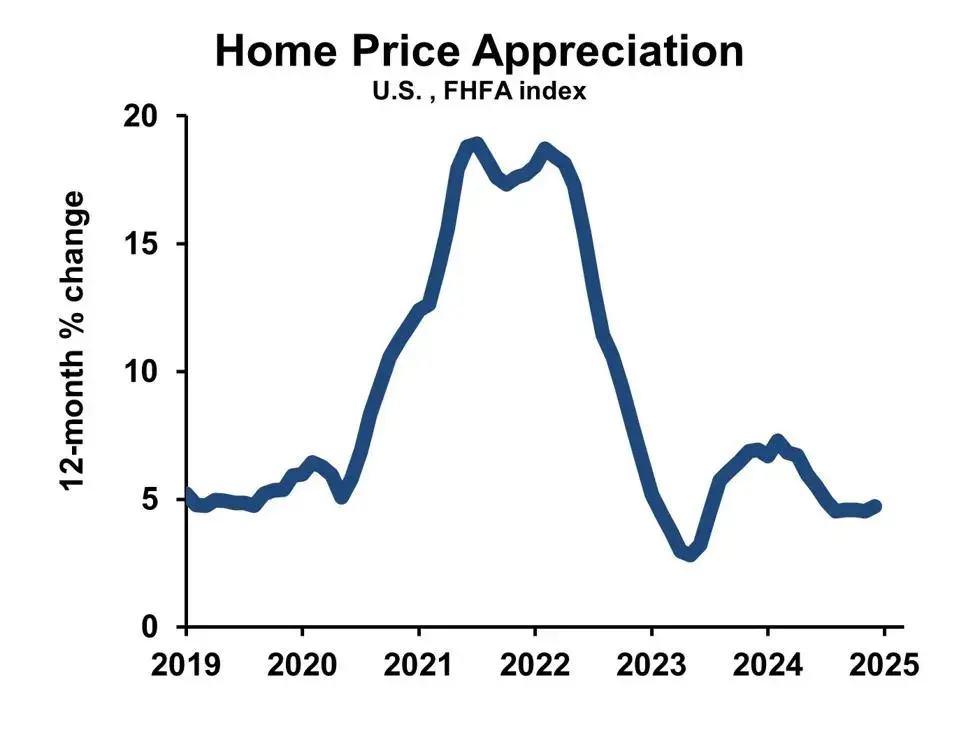
- Moderate price growth is expected
- J.P. Morgan expects about 3% growth in 2025
- Other forecasts suggest 2%–4% increases through 2026
Some fast-growing markets could see more mixed results, including slower growth—or small price declines—in certain regions.
Mortgage Rates
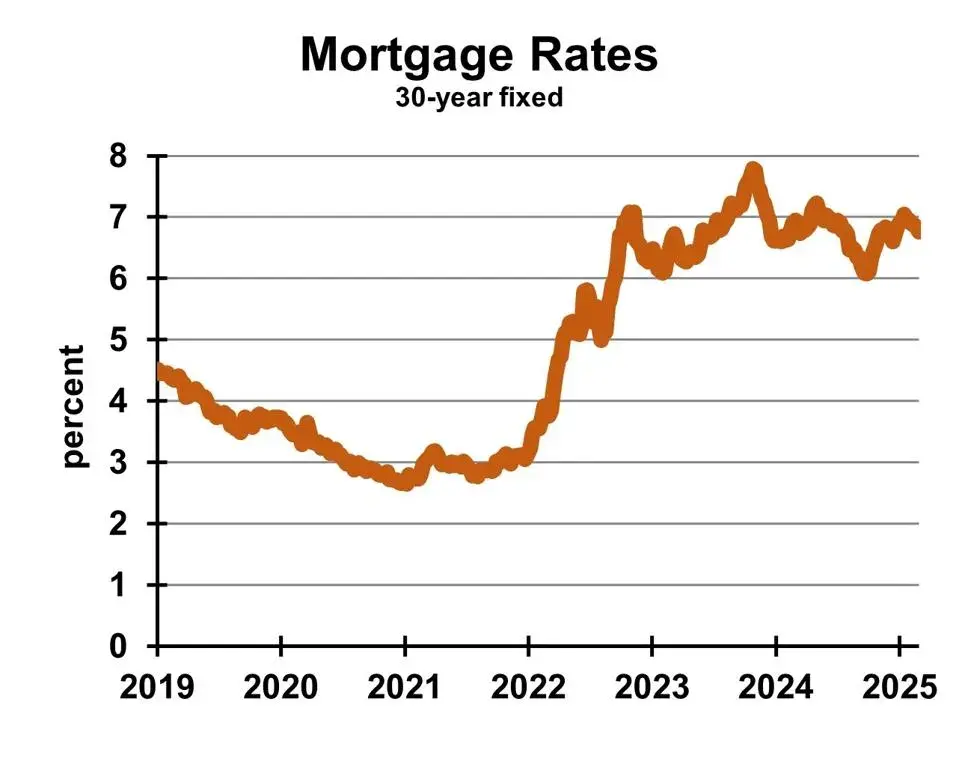
Mortgage rates are expected to ease slightly, but remain higher than the low rates seen during the pandemic:
- Roughly 6.7% by late 2025
- Gradually moving to the low 6% range in 2026
Housing Supply
Inventory is expected to increase modestly, but remain well below pre-pandemic levels. Many homeowners are reluctant to sell because they currently have mortgage rates under 4%—a trend often called the “lock-in effect.”
Home Sales
Home sales may slowly recover in 2026 as affordability improves, but demand is still limited by higher prices and elevated mortgage rates.
Factors Shaping the Market
Here is some factors of shaping in the Market.
Supply Shortage
Years of underbuilding left the U.S. with fewer homes than needed, which continues to support higher prices.
Affordability Problems
High home prices and elevated mortgage rates have pushed the age of the average first-time buyer to 40, the highest on record.
Strong Homeowner Equity
Homeowners have historically high equity levels, which reduces the risk of large-scale foreclosures similar to 2008.
Price Outlook
- National prices: +3% in 2025, and +1%–2.2% in 2026
- Certain Florida and Texas markets could cool or see small declines
- Midwest and Northeast regions are likely to remain more stable
Mortgage Outlook
Forecasts from Fannie Mae and NAHB suggest:
- Slight rate easing by the end of 2025
- Slow decline into the low-to-mid 6% range during 2026
A sharper drop in mortgage rates could bring more buyers into the market, which could actually push prices higher again.
Supply and Demand Balance
The biggest factor supporting prices remains limited supply:
- Homeowners don’t want to give up low-rate mortgages
- Builders are adding new homes, especially entry-level options
- But new construction still isn’t enough to solve the shortage
Even with incomes expected to rise, affordability remains challenging for many buyers.
The U.S. housing market is showing signs of cooling, but experts expect prices to continue rising, not falling. Limited housing supply, persistent demand, and strong equity levels are likely to keep home values moving upward through 2026, even as conditions slowly improve for buyers.
Why Housing Prices Increased
Housing demand rose sharply during the pandemic while construction slowed. Many Americans moved to new states, leading to stronger demand in places like Texas, Florida, Arizona, and North Carolina. Meanwhile, limited construction and supply shortages increased prices nationwide.
Will Prices Drop in 2025–26?
Some analysts predict minor price declines in specific markets where inventory is increasing or population growth is slowing. However, most economists believe nationwide price declines are unlikely.
Housing prices may stabilize or grow more slowly, especially if the Federal Reserve begins cutting interest rates in 2026.
Mortgage Rates Remain a Big Factor
Mortgage rates have climbed in recent years, making homebuying more difficult for first-time buyers. If mortgage rates start dropping in late 2025 or 2026, the housing market may become more affordable for new buyers.
Lower mortgage rates could:
- reduce monthly payments
- increase buying power
- attract more buyers back into the market
Regional Differences Matter
Not every region behaves the same. Some states are cooling faster than others. Experts say:
- the Midwest may stay stable
- the West Coast may see price declines
- the Sun Belt may continue growing
Local job markets, income levels, and construction activity play a major role in determining price trends.
Rent Prices Are Still High
Many Americans who cannot buy homes continue renting, which keeps rent prices elevated. Even if home prices stabilize, renters may face higher costs due to limited rental supply and strong demand in major metropolitan areas.
What Buyers Should Expect
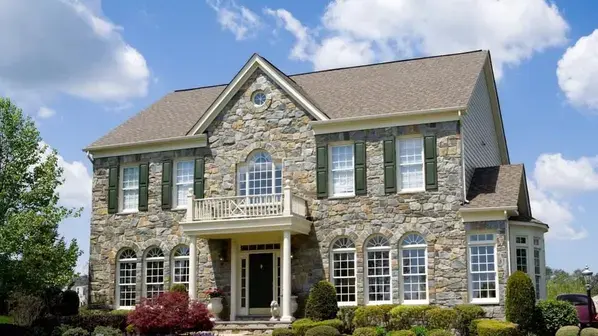
First-time homebuyers may find more opportunities in late 2025 and into 2026, especially if more homes become available and mortgage rates gradually decline.
Final Outlook
Experts say the U.S. housing market will not crash, but it may slow down and become more balanced. Home prices are unlikely to fall sharply nationwide, but affordability could improve if interest rates decline and supply increases.
FAQs
