
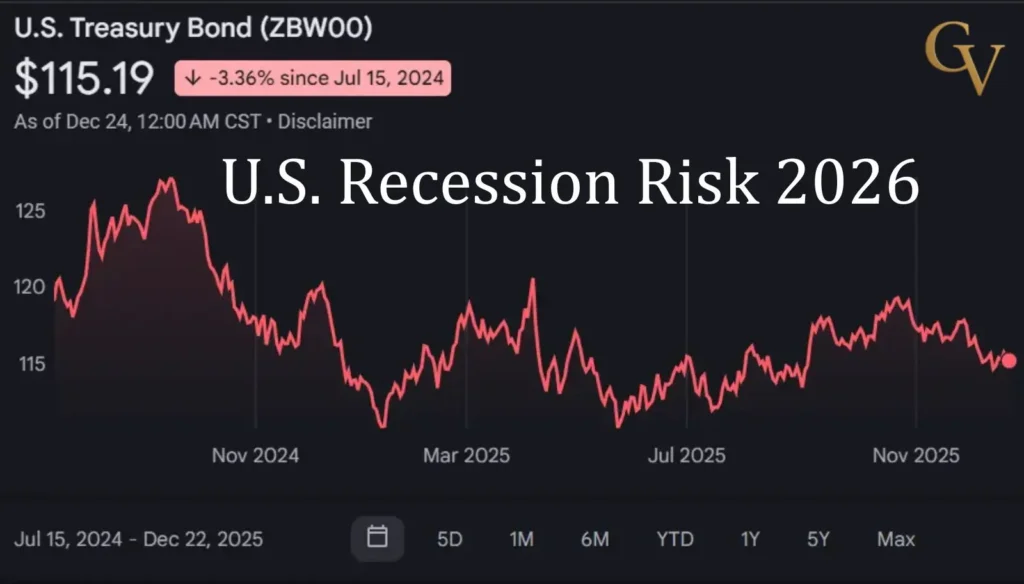
U.S. recession risk for 2026 is best described as cautious optimism with real downside risks. Most economists still see a soft landing as the most likely outcome, putting the odds at roughly 60–70% that the economy slows without tipping into a recession. That said, forecasts vary widely. Some models peg recession risk as low as 20%, while others push it as high as 40% or more, depending on which pressures they weigh most—sticky inflation, high consumer and government debt, potential AI-driven market bubbles, trade tensions, or global shocks. Moody’s places recession odds near 42%, while J.P. Morgan estimates 35–40%, showing that concern hasn’t disappeared even as growth holds up.
For 2026, most projections point to modest GDP growth (around 1.4%–2.5%), unemployment hovering near 4%–4.6%, and inflation easing toward the high-2% range—not crash conditions, but not risk-free either. Consumer spending has been more resilient than expected, and potential Fed rate cuts could support growth, yet tariffs, debt burdens, and geopolitical uncertainty remain wild cards. As GlobleVide breaks down for readers searching “U.S. recession risk 2026 predictions” or “Trump tariffs economy impact 2026,” the takeaway is simple: a recession isn’t the base case, but Americans should stay alert as the margin for error is thin.
Key 2026 Recession Forecasts
Bloomberg economists peg 30% downturn risk; Moody’s at 42%—higher than healthy 15% baselines, per Mark Zandi. RSM sees 2.2% GDP rebound via fiscal easing, Fed cuts to 3-3.25%; Deloitte warns 1.4% growth from tariffs/inflation keeping PCE at 3%. Global X’s Scott Helfstein bets 2.5-3% on spending; USDollarInsight base: no recession, just 1.5-2.2% slowdown.
What’s going on with the U.S. markets today?
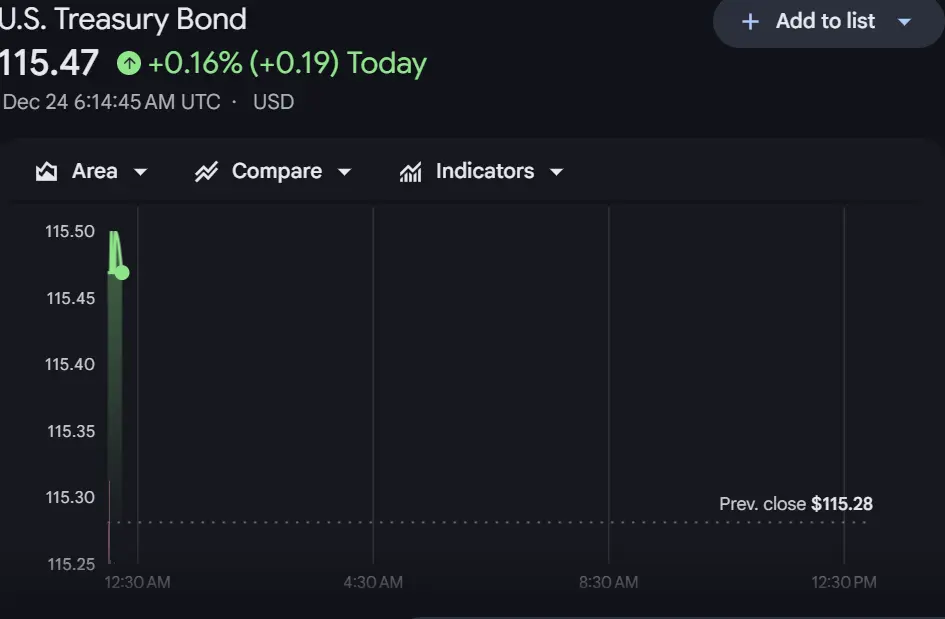
U.S. Stock Markets Early Close Christmas Eve 2025
Major U.S. exchanges like NYSE and NASDAQ open short today, Wednesday, December 24—closing at 1:00 p.m. ET for holiday observance. Bond markets wrap at 2:00 p.m. ET; full shutdown hits Thursday, December 25, reopening Friday for normal hours.
U.S. Markets
All major U.S. stock markets (NYSE, NASDAQ, etc.) are open but will close early at 1:00 p.m. Eastern Timelink. Bond markets will also close early at 2:00 p.m. ETlink. The markets will be fully closed on Christmas Day, Thursday, December 25, and reopen on Friday for a regular trading sessionlink.
Tuesday Rally Recap
S&P 500 hit fresh record close December 23, fueled by tech/AI surges after Q3 GDP beat at 4.3% annualized—beating forecasts.
Global Snapshot
Asian markets mixed but up on U.S. strength, some early closes; India cautious with sectoral swings. Gold nears highs; oil climbs on growth/supply risks.
Key Takeaway
Strong economy powers end-of-year gains—watch Friday reopen for rate/Fed signals amid holiday thin volume. GlobleVide clips break down S&P records.
Major Risk Factors Exposed
Trump tariffs (up to 200% on pharma by late 2026) fuel inflation, curbing spending and hiking mortgages—JPMorgan notes recession fears amid China talks.. Reduced immigration, high debt, and labor shortages tip scales; Bankrate survey flags slower hiring. Optimists cite AI investment, rate relief; worst-case: mild dip from global shocks.
Fed Policy and Trump Influence
Powell replacement race (Hassett, Warsh, Waller) adds uncertainty—Trump pushes cuts, but hawks resist. RBA parallels show easing spurs housing/spending, yet limits inflation drop. NPR notes Q3 2025 shrinkage reversed by robust growth.
Recession Indicators Timeline
- Q1 2026: Job growth negative; unemployment 4.5%.
- Full Year: GDP 1.5-2.2%; inflation eases to 2.7%.realeconomy.
- Upside: Soft landing via deregulation, expensing.
Unique Angle: Consumer Wallet Impact
Tariffs hit prices gradually (Deloitte), but 401(k)s face volatility—GlobleVide tariff simulations predict 0.5-1% GDP drag. Everyday Americans: stockpile imports, refinance pre-hikes; resilient spending averts freefall.
Prep Tips for U.S. Households
Build 6-month emergency funds; diversify via ETFs. Track “2026 recession probability forecasts” via GlobleVide economist reels—history shows soft landings reward patience over panic. Mild turbulence ahead, not storm.
Where the economy stands heading into 2026
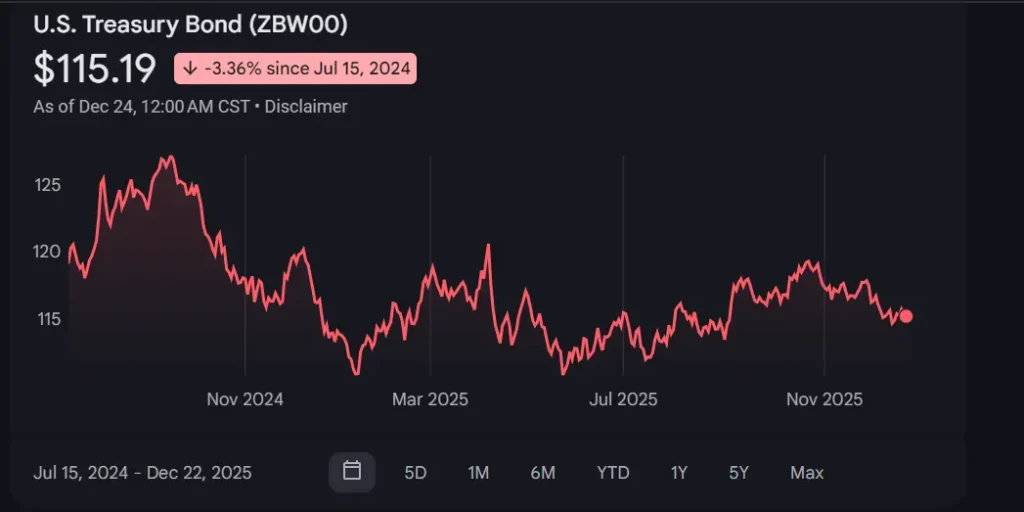
A recession usually happens when multiple things go wrong at the same time: spending slows, companies stop hiring (or start layoffs), and confidence drops.
Right now, one important point is that official forecaster-style projections are still generally aligned with “slower growth,” not an immediate collapse. For example, FOMC projections tracked by the St. Louis Fed show real GDP growth around 2.3% for 2026 (midpoint, central tendency), which is consistent with a “growth continues, but not booming” story.
At the same time, inflation progress and interest-rate decisions remain the big swing factors. The Fed’s inflation projections (PCE) for 2026 are still above “perfectly calm” territory, and that matters because it influences how long borrowing costs stay restrictive.
The 5 biggest recession signals to watch in 2026
1) Consumer confidence slipping into “recession-warning” territory
The Conference Board’s Expectations Index has been under 80 for an extended stretch, a level it notes is historically associated with recession risk ahead.
When people feel uncertain about jobs and income, they delay big purchases—cars, homes, renovations—which slows the broader economy.
2) Interest rates staying “higher for longer”
Even small changes in rates ripple into real life: mortgages, credit cards, auto loans, business borrowing. If rates stay high longer than markets expect, it can weaken demand enough to tip the economy.
3) Labor market turning from “cooling” into “cracking”
A normal slowdown looks like fewer job openings and slower wage growth. A recession looks like rising layoffs + rising unemployment + reduced hours. Jobs are often the last domino to fall—so this is a key “confirmation” signal.
4) Corporate stress and credit tightening
When lenders get cautious, it becomes harder for households and businesses to borrow. Watch for:
- tighter bank lending standards
- rising defaults (especially consumer credit)
- more corporate bankruptcy headlines
5) A shock event that resets expectations
Even if the baseline outlook is “slow growth,” recessions often arrive after a shock—energy spikes, geopolitical disruption, policy surprises, or a sudden drop in business investment.
What experts are saying about 2026
Market outlooks going into 2026 generally frame the U.S. as slowing, not collapsing, but highlight downside risks (weakening demand, policy uncertainty, global slowdown). For instance, Morgan Stanley’s 2026 outlook emphasizes a world of shifting growth dynamics and financial conditions that can change quickly if inflation or rates surprise.
That’s why the best way to think about 2026 is scenario-based:
- Soft landing (base case): growth slows, inflation continues easing, job market cools but holds.
- Mild recession: consumer spending fades, unemployment rises, rate cuts arrive—but after some pain.
- Stagflation-style stress (less likely, but possible): growth weakens while prices stay stubborn due to supply shocks.
At GlobleVide, we’d sum it up like this: 2026 is likely to feel “tighter” than the easy-money years, even if it avoids a textbook recession.
What this means for Americans (practical impact)
If recession risk rises, these are the areas you’ll feel first:
- Borrowing gets expensive: credit cards, auto loans, and mortgages stay painful.
- Hiring slows: fewer openings, tougher interviews, slower wage gains.
- Prices may fall in some categories: especially discretionary items, travel deals, and certain goods—while essentials remain sticky.
- Savings behavior changes: people build cash buffers, spend less, and postpone upgrades.
What to do next (simple, smart moves—not panic)
This isn’t financial advice, but these are recession-proof habits many households use:
- Build a small cash buffer (even 1–2 months of expenses helps)
- Reduce high-interest debt first (credit cards are the silent budget killer)
- Keep your resume “ready” (even if your job feels stable)
- Delay big optional purchases until rate direction becomes clearer
- Track the basics monthly: inflation trend, Fed messaging, unemployment rate, consumer confidence
We’ll keep updating this on GlobleVide as new data hits—because recession risk isn’t about one headline; it’s about the trendline.
FAQs
