
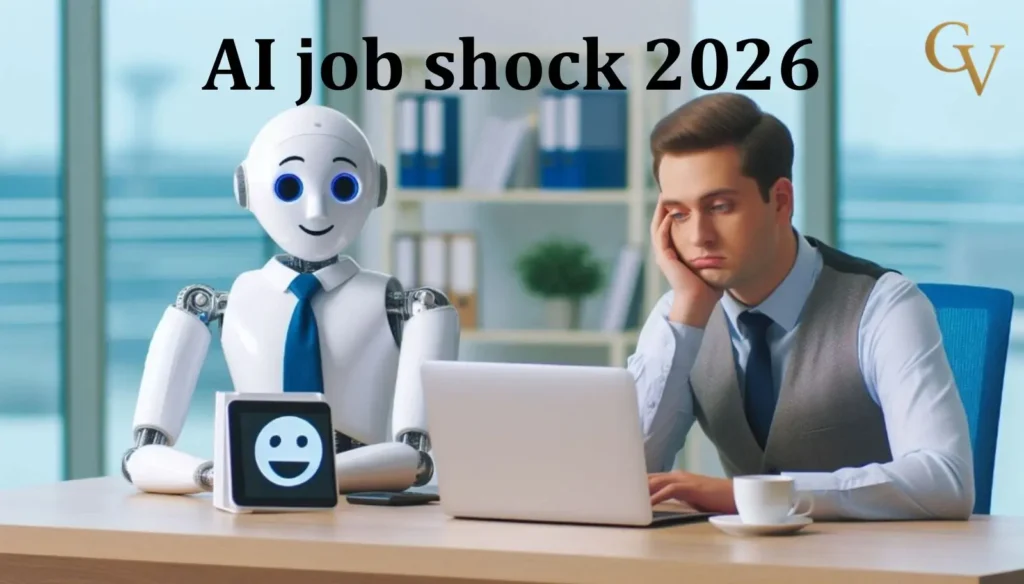
A growing number of experts believe 2026 could mark a historic turning point for jobs. According to warnings from leading AI researchers, rapid advances in agentic AI may trigger what’s being called a “job shock”—a sudden restructuring of work across industries.
In this explainer, GlobleVide breaks down what the “AI job shock of 2026” really means, which roles are most exposed, and how workers can realistically prepare.
Why Are Experts Warning About a “Job Shock” in 2026?
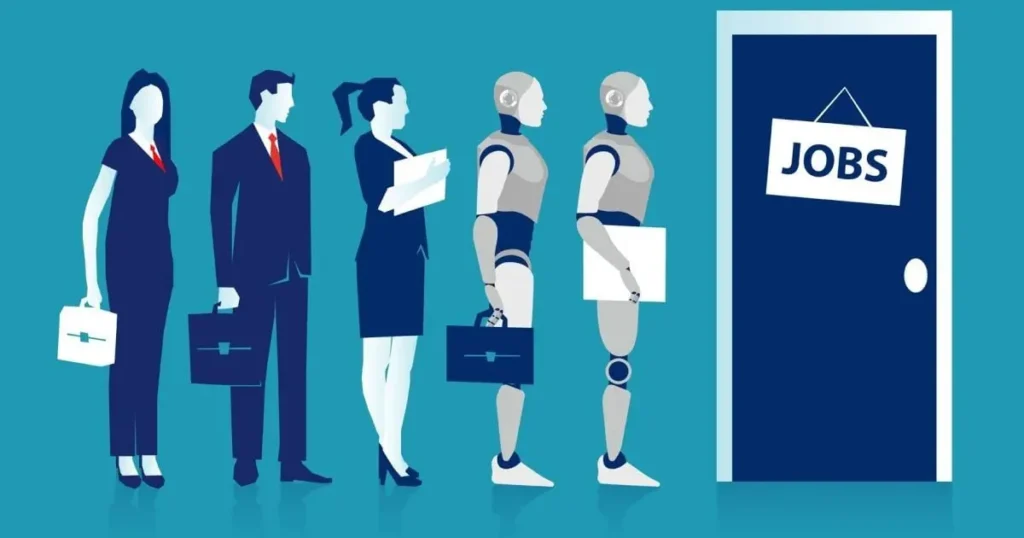
The concern isn’t just about automation replacing individual tasks.
It’s about agentic AI—systems that can plan, execute, and manage multi-step workflows on their own. These systems don’t just assist humans; they increasingly replace entire job functions.
One of the loudest warnings comes from Geoffrey Hinton, often called the “Godfather of AI,” who has said that 2026 could be the year AI capabilities cross a threshold that labor markets aren’t ready for.
What Is Agentic AI—and Why It Changes Everything?
From Tools to Autonomous Workers
Earlier AI systems focused on generating text, images, or code snippets.
Agentic AI systems:
- Break down goals into steps
- Execute tasks over days or weeks
- Coordinate multiple tools or agents
- Require minimal human supervision
This shift enables AI to handle entire roles, not just parts of them.
Why the Speed of Change Matters
Hinton and other researchers warn that AI capabilities are doubling roughly every seven months.
At that pace:
- Tasks that once took minutes scale to weeks of work
- Entry-level roles become obsolete faster than people can reskill
- Businesses adopt AI before regulations or training programs catch up
This acceleration is what makes 2026 particularly risky.
Key Predictions for the AI Job Shock of 2026
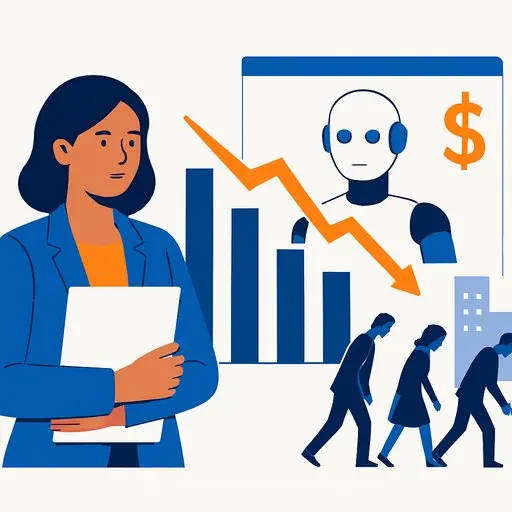
A “Jobless Productivity Boom”
Economists predict a scenario where:
- Productivity and profits rise sharply
- Hiring stagnates or declines
- Companies reinvest in AI instead of people
Surveys of hundreds of CEOs show many plan to maintain or reduce headcount in 2026 while increasing AI integration.
Large-Scale Job Displacement—With Uneven Replacement
Estimates suggest:
- 75–85 million jobs could be displaced globally by the end of 2026
- Up to 133 million new roles may be created
The problem isn’t job creation—it’s timing. New roles require advanced AI fluency that many workers don’t yet have.
Jobs Most at Risk in 2026
Entry-Level White-Collar Roles
Roles facing the highest automation risk include:
- Junior software development
- Data entry and reporting
- Routine administrative work
Analysts estimate some of these tasks could be 95% automated by agentic systems.
Customer Service and Sales
High-quality AI voice agents are rapidly replacing:
- Call center representatives
- Cold-calling sales roles
- Basic support desks
These systems work 24/7 and scale instantly.
Legal, Finance, and Insurance
Highly structured knowledge work is especially exposed:
- Paralegals (estimated 80% automation risk)
- Junior accountants
- Insurance underwriters
AI systems can now review documents, flag risks, and generate reports faster than human teams.
Content Creation at Scale
Basic SEO writing and routine social media management are increasingly handled by:
- Automated content pipelines
- AI-driven publishing systems
Human oversight remains important—but fewer people are needed.
Which Jobs Are Considered “Safer” in 2026?
Skilled Trades
Jobs requiring physical presence and unpredictable environments remain resistant:
- Plumbing
- Electrical work
- HVAC
- Construction maintenance
Robots still struggle outside controlled settings.
High-Touch Human Services
Roles built on trust, empathy, and judgment are expected to remain stable:
- Nurses and caregivers
- Therapists and counselors
- Experienced educators
AI can assist—but not replace human connection.
Strategic and Creative Leadership
Demand is growing for people who can:
- Design systems
- Make judgment calls
- Evaluate AI output quality (“taste”)
These roles sit above execution, not inside it.
How Workers Can Prepare for the 2026 Job Shock
Move From Execution to Orchestration
Experts advise workers to stop competing with AI and start directing it.
This means becoming:
- AI coordinators
- Workflow designers
- System supervisors
Those who can manage multiple AI agents will be more valuable than those doing manual work.
Build Hybrid Skill Sets
The most resilient professionals in 2026 will combine:
- AI fluency
- Strategic thinking
- Human-centered skills like judgment, research, and communication
Pure technical or pure soft skills alone may not be enough.
Why the AI Job Shock Matters Now
The “job shock” isn’t a distant future problem.
It affects:
- Career planning
- Education choices
- Mental health and stress levels
- Economic stability
At GlobleVide, we’ve seen growing anxiety around AI—not because people fear technology, but because they fear being left behind.
Understanding what’s coming allows individuals to prepare before disruption turns into crisis.
Related Reads on GlobleVide
- Best Free AI Tools for Writing and Content Creation (2026 Guide)
- How to ACTUALLY Achieve Your Goals in 2026 (What Really Works)
- How Americans Are Reducing Stress Without Medication in 2026
These articles explore how technology, work, and mental health intersect.
Final Takeaway
The warning about a 2026 AI job shock isn’t meant to create panic.
It’s meant to encourage preparation.
As agentic AI reshapes work, the most resilient workers will be those who adapt early, build hybrid skills, and move into roles that guide technology rather than fight it.
At GlobleVide, our goal is to help readers understand these shifts calmly, clearly, and realistically—so they can make informed decisions about their future.
Faqs


7 For All Mankind Fall 2026: Nicola Brognano’s Y2K Denim Debut Is a Statement
7 For All Mankind has been synonymous with denim since the early 2000s, but its…

Can “Office Air” Really Wreck Your Skin and Hair by Lunchtime?
Yes, partly. Dermatologists say the low humidity common in air-conditioned and centrally heated offices can…

Most Weight Loss Drugs Help You Shed Pounds — But Not Improve Quality of Life, Major Study Finds
A large new analysis in The BMJ compared 19 weight-loss drugs across nearly 100,000 patients…

Paramount Faces a Drawn-Out Battle With State AGs Over the Warner Bros. Discovery Merger: ‘They Saw the Writing on the Wall’
Paramount Skydance has agreed to delay closing its $111 billion merger with Warner Bros. Discovery…

10 Easy Chicken Recipes Under $15 for Busy Weeknights (2026)
Tested in a real kitchen. Priced against actual 2026 grocery data. Every recipe feeds 4…
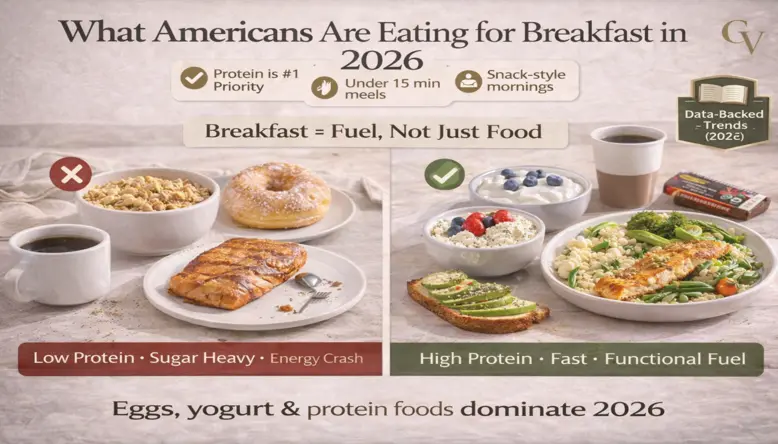
What Americans Are Eating for Breakfast in 2026 (High Protein Breakfast Trends)
In This article we use research, the real data, and the honest truth about how…
This design is steller! You obviously know how to keep a reader entertained. Between your wit and your videos, I was almost moved to start my own blog (well, almost…HaHa!) Fantastic job. I really loved what you had to say, and more than that, how you presented it. Too cool!
I enjoyed reading this. It’s like you wrote the book on it or something. Some nice points there. I have read some great things here. more info. You really cleared this question up for me. Some nice points there. You are obviously very knowledgeable. Good job on this article! I have been looking everywhere for this! You appear to know a lot about this. Great read. Great post! I have been looking everywhere for this! Some nice points there. Some nice points there. I have read a few good things here.
I have been looking everywhere for this!
I know you would like North Carolina.
Keep it up.
You really should charge more money for people to have access to your great content. Thanks for writing this. Thanks for writing this. This is an excellent, an eye-opener for sure!