

Last Update: January 9, 2026
Stress hasn’t disappeared—but the way Americans respond to it has quietly changed.
In 2026, many people are managing stress without medication by working with their bodies instead of fighting them.
In 2026, many Americans—especially women over 50—are reducing stress without medication by focusing on nervous-system regulation, sleep, gentle movement, and social balance.
This guide explains how natural stress relief actually looks today, what’s working in real life, and why especially for women over 50, old stress tricks no longer work the same way.
How are Americans Managing Stress Without Medication in 2026? (Quick Answer)
In 2026, Americans manage stress naturally through daily habits like gentle movement, breathwork, better sleep, social connection, and mindful routines—not quick fixes or pills.
The focus has shifted from “eliminating stress” to understanding it as a signal and responding with sustainable, body-aware practices.
Why Are Americans Avoiding Medication for Stress in 2026?
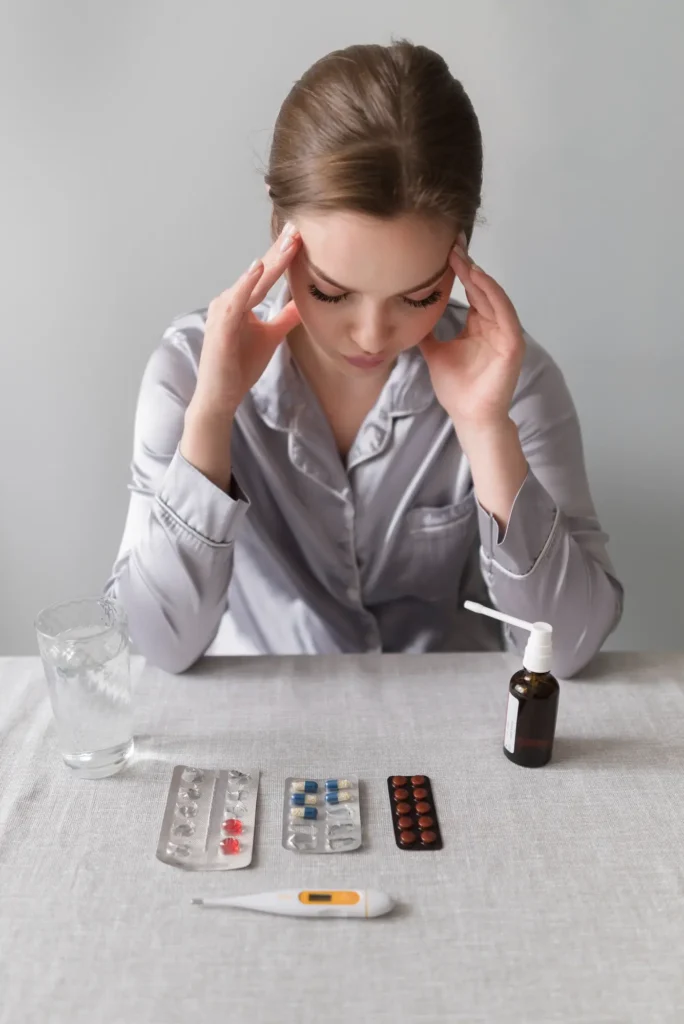
Is stress different now—or are we responding differently?
Stress itself hasn’t changed. Our bodies have.
After conversations with women, caregivers, and mid-career professionals, the most common frustration sounds like this:
What used to work for me doesn’t anymore.
The coffee. Pushing through. Ignoring the signs. those approaches now backfire. None of it lands the way it once did—and that realization is often more unsettling than the stress itself. In 2026, people are choosing regulation over suppression.
What Natural Stress Relief Looks Like in Everyday American Life

The core habits Americans rely on now
Rather than one solution, most people combine several low-impact practices:
- Regular physical activity
Walking, gentle yoga, tai chi, and dancing—movement that calms rather than exhausts. - Mindfulness and meditation
Short, practical sessions focused on the present moment, not perfection. - Deep breathing techniques
Especially simple methods like diaphragmatic breathing or 4-7-8 breathing. - Stronger social boundaries
Fewer obligations, better energy protection. - Sleep as non-negotiable
Screen limits at night and consistent bedtime routines.
This layered approach comes up often in GlobleVide wellness stories, especially among people recovering from long-term burnout.
Mental health professionals increasingly emphasize nervous-system regulation over suppression, especially for midlife adults.
Why Stress Feels Different After 50 (Especially for Women)

After 50, stress isn’t just mental—it’s hormonal and neurological.
Here’s what changes:
- Cortisol spikes more easily
- Sleep becomes lighter and fragmented
- Nervous system sensitivity increases
- Recovery from stress takes longer
This is why “push through it” strategies stop working.
Information Gain: Stress management after 50 isn’t about doing more—it’s about doing things that lower cortisol without straining the system.
Seven Stress-Relief Strategies That Actually Work After 50
Gentle, evidence-based, and sustainable
1. Breathwork (4-7-8 Method)
- Inhale 4 seconds
- Hold 7 seconds
- Exhale 8 seconds
Repeat 3 times to activate the parasympathetic nervous system.
2. Morning Sunlight Exposure
Spending 10 minutes outside within 30 minutes of waking helps reset cortisol rhythms.
3. Gentle Progressive Muscle Relaxation
Contract muscles only to about 30% effort, hold briefly, then release.
4. Temperature Therapy
Alternating warm and cool water on wrists or temples can rapidly reduce stress response.
5. Strategic “No”
Saying no selectively preserves energy—this alone reduces chronic stress.
6. Gentle Movement
Yoga, tai chi, or dancing work better than high-intensity workouts at this stage.
7. Intentional Social Connection
Quality matters more than quantity. Energizing relationships calm the nervous system.
Quick Reference: Stress-Relief Strategies After 50
For readers who prefer a quick, skimmable reference, here’s a simple summary of these stress-relief strategies and why they work after 50.
| Strategy | How It’s Used | Why It Helps After 50 |
|---|---|---|
| 1 | Breath Work: 4-7-8 Breathing Technique | Activates parasympathetic nervous system efficiently; accommodates changes in lung capacity and diaphragm flexibility. Practice: inhale 4 seconds, hold 7 seconds, exhale 8 seconds, repeat 3 times. |
| 2 | Morning Sunlight Exposure | Resets circadian rhythms to balance cortisol production. Spend at least 10 minutes outside without sunglasses within 30 minutes of waking. |
| 3 | Gentle Progressive Muscle Relaxation (PMR) | Contract muscles only to 30% strength to avoid strain; hold for 3 seconds then release. Reduces stress without risking injury. |
| 4 | Temperature Therapy (Warm/Cool Water Alternation) | Alternating warm and cool water on wrists and temples (30 seconds each, repeat 3 times) can reduce stress hormones by up to 40%. |
| 5 | Selective Saying No & Priority Matrix | Prioritize commitments aligned with current goals to conserve energy and reduce overload. Helps avoid chronic stress from unrealistic expectations. |
| 6 | Gentle Movement (Yoga, Tai Chi, Dancing) | Avoid high-intensity workouts; rhythmic, enjoyable movements lower cortisol and support stress relief. Consistency and enjoyment are emphasized over intensity. |
| 7 | Strategic Social Connection | Cultivate relationships that energize rather than drain; quality over quantity to combat loneliness and social isolation, major stress factors after 50. |
If stress has been affecting your sleep, daily routines, or motivation, you may also find it helpful to read Morning Habits That Improve Mental Health, where we break down small changes that support emotional balance from the start of the day.
What the Data Shows About Stress in 2026
Personal experience tells part of the story.
National data helps confirm it.
Some of the clearest signals about how Americans are thinking about stress in 2026 come from a recent national survey conducted by the American Psychiatric Association in partnership with Morning Consult.
The Healthy Minds Poll was conducted in early December 2025, surveying 2,208 adults across the United States. The goal wasn’t to diagnose conditions—it was to understand how people plan to care for their mental health in the year ahead.
And the results are telling.
More Americans are naming mental health as a priority—not an afterthought.
In fact, 38% of U.S. adults say they plan to make a mental health–related resolution for 2026, up from the previous year. That’s a noticeable shift, especially when you consider how recently mental health was rarely discussed outside of crisis moments.
Here’s how stress and wellness priorities stack up heading into 2026:
Stress & Wellness Priorities Americans Are Setting for 2026
- Physical fitness (exercise): 44%
- Financial goals: 42%
- Mental health resolutions: 38%
- Dietary changes: 29%
- Social or relationship improvements: 29%
- Spiritual goals (such as prayer or reflection): 28%
What stands out isn’t just the numbers.
It’s the balance.
Mental health is no longer competing against fitness, money, or productivity. It’s being planned alongside them. That aligns closely with what many people are already experiencing in real life: stress isn’t something to push through anymore—it’s something to manage intentionally.
This guide is especially useful for adults over 40 who feel that traditional stress advice no longer works the way it used to.
When stress shows up first thing in the day, the way mornings begin matters more than people realize. GlobleVide explored this in 5 Things You Should Do First Thing in the Morning to Be Happier All Day, which focuses on small, realistic habits that support emotional balance without pressure.
Emerging Stress Relief Trends in 2026
What’s gaining traction now?
- Somatic healing (breathwork, sound baths, cold exposure)
- Forest bathing (time in nature without goals)
- Aromatherapy (lavender, chamomile)
- Supplements like magnesium or ashwagandha (with medical guidance)
One GlobleVide reader shared that pairing morning sunlight with gentle stretching reduced her afternoon anxiety more than any supplement ever did.
Why Manage Stress Without Medication Matters
For U.S. adults in 2026, stress isn’t a weakness—it’s information. When people stop fighting stress and start listening to it, they avoid burnout, improve sleep, and regain emotional balance without relying on medication.
This shift toward gentle, informed self-care reflects a broader cultural change—one GlobleVide continues to document across health and lifestyle topics.
For readers looking to make meaningful changes without overwhelm, Affordable Lifestyle Changes for Better Health in 2026 breaks down practical habits that support long-term well-being in everyday life.
Key Takeaways (Skimmable)
- Stress management in 2026 is integrated, not extreme
- After 50, gentle approaches outperform intense ones
- Breathwork and sunlight are underrated tools
- Social boundaries are as important as exercise
- Medication isn’t always necessary for relief
Faqs
Related Reads on GlobleVide
- Morning Habits That Improve Mental Health
- 5 Things You Should Do First Thing in the Morning to Be Happier All Day
- Affordable Lifestyle Changes for Better Health in 2026
Conclusion
Stress doesn’t mean something is wrong—it means something needs attention. In 2026, Americans are learning that listening to stress, rather than numbing it, leads to calmer lives and healthier bodies—without reaching for a prescription.

Editorial Note: This article follows GlobleVide’s Editorial Policy and Fact-Checking Policy.

7 For All Mankind Fall 2026: Nicola Brognano’s Y2K Denim Debut Is a Statement
7 For All Mankind has been synonymous with denim since the early 2000s, but its…
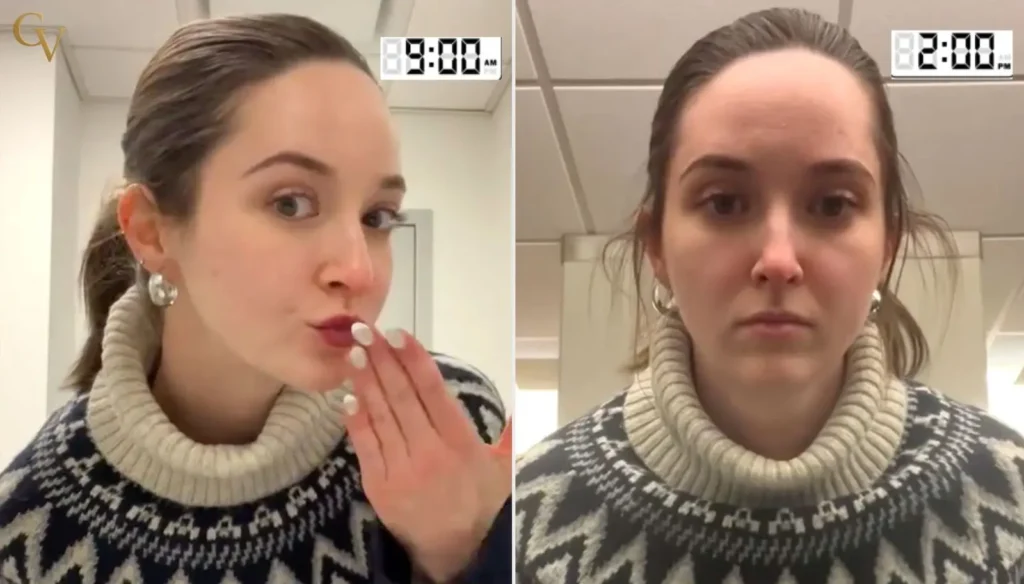
Can “Office Air” Really Wreck Your Skin and Hair by Lunchtime?
Yes, partly. Dermatologists say the low humidity common in air-conditioned and centrally heated offices can…

Most Weight Loss Drugs Help You Shed Pounds — But Not Improve Quality of Life, Major Study Finds
A large new analysis in The BMJ compared 19 weight-loss drugs across nearly 100,000 patients…

Paramount Faces a Drawn-Out Battle With State AGs Over the Warner Bros. Discovery Merger: ‘They Saw the Writing on the Wall’
Paramount Skydance has agreed to delay closing its $111 billion merger with Warner Bros. Discovery…

10 Easy Chicken Recipes Under $15 for Busy Weeknights (2026)
Tested in a real kitchen. Priced against actual 2026 grocery data. Every recipe feeds 4…
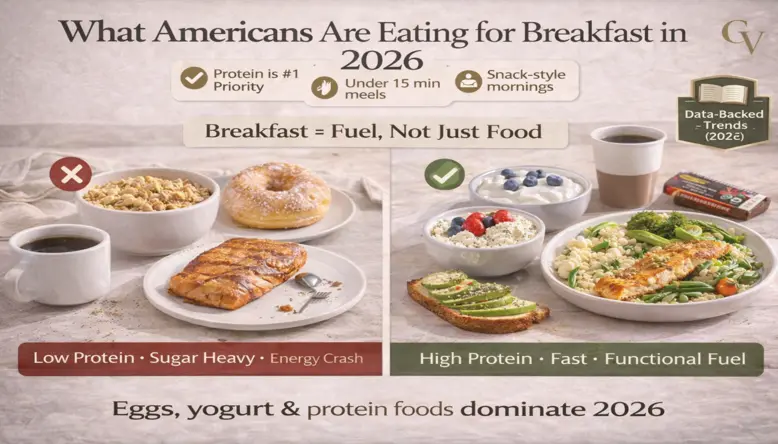
What Americans Are Eating for Breakfast in 2026 (High Protein Breakfast Trends)
In This article we use research, the real data, and the honest truth about how…
Its like you read my mind! You appear to know so much about this, like you wrote the book in it or something. I think that you can do with some pics to drive the message home a little bit, but instead of that, this is wonderful blog. A fantastic read. I’ll definitely be back.