
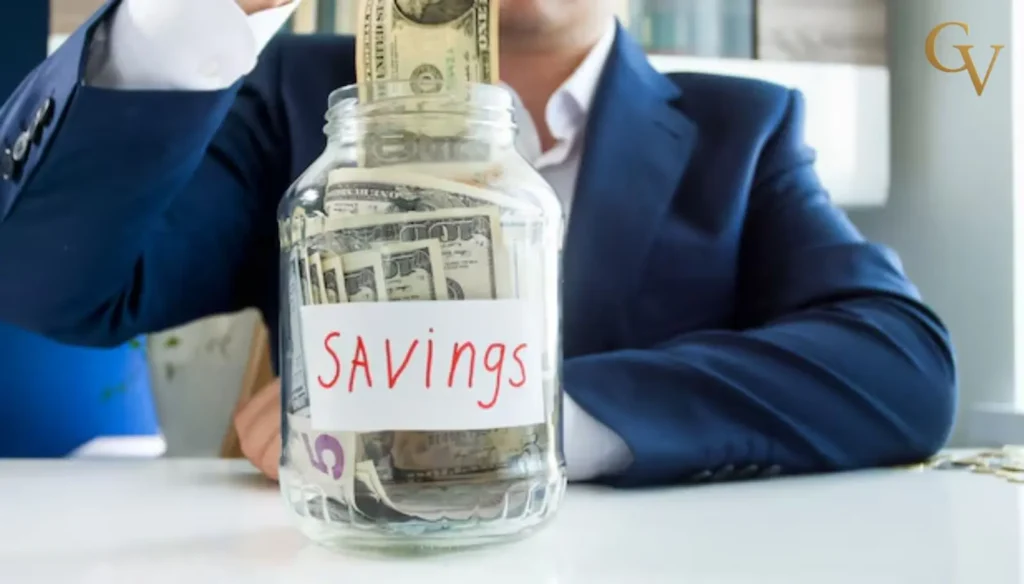
Inflation continues to affect everyday costs in the U.S., but in 2026 many Americans are still finding ways to save money. Instead of drastic cutbacks, people are using intentional strategies that balance caution with long-term financial stability.
In this guide, GlobleVide explains how Americans are saving money despite inflation in 2026—and what’s actually working in real life.
Why Saving Money Feels Harder—but More Important—in 2026
Even as inflation has cooled compared to earlier peaks, prices for housing, food, insurance, and services remain elevated.
This reality has pushed many Americans to:
- Rethink spending habits
- Build financial buffers
- Focus on long-term resilience rather than quick fixes
Saving money is no longer just about cutting costs—it’s about making money work smarter.
Key Strategies Americans Are Using to Save Money
Aggressively Paying Down High-Interest Debt
One of the biggest financial priorities in 2026 is reducing credit card debt.
High interest rates make carrying balances expensive, so many Americans are using structured payoff methods such as:
- Avalanche method: Paying off the highest-interest debt first to minimize interest
- Snowball method: Paying off the smallest balances first to build motivation
Reducing high-interest debt frees up cash flow and lowers financial stress.
Using Realistic, Trackable Budgeting Systems
Overly strict budgets often fail.
In 2026, Americans are choosing simple, realistic frameworks they can maintain.
Popular approaches include:
- 50/30/20 budgeting:
- 50% needs
- 30% wants
- 20% savings or debt
- Zero-based budgeting: Every dollar is assigned a purpose
The focus is consistency—not perfection.
Maximizing High-Yield Savings and CDs
With interest rates still relatively high, many Americans are taking advantage of:
- High-yield savings accounts (HYSAs)
- Certificates of Deposit (CDs)
These options allow savings to grow faster than traditional bank accounts and help offset inflation.
Some savers are also locking in rates before potential future cuts, adding predictability to their plans.
Smarter Spending and Expense Reduction
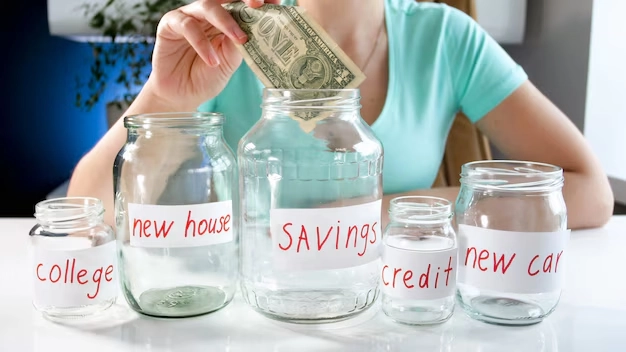
Being More Intentional With Everyday Spending
Rather than eliminating joy, Americans are cutting back strategically.
Common adjustments include:
- Eating out less often
- Reducing entertainment subscriptions
- Prioritizing experiences over impulse purchases
Small changes across multiple categories add up.
Saving on Groceries and Shopping
Inflation has hit food prices especially hard, leading many to adopt cost-saving habits such as:
- Meal planning and cooking at home
- Buying store brands
- Shopping sales and off-season deals
Online price trackers, discount codes, and cashback tools are also widely used.
Buying Used and Shopping Around
More Americans are:
- Buying refurbished electronics
- Purchasing second-hand furniture or clothing
- Comparing insurance rates annually
Shopping around for better insurance premiums alone can save hundreds per year.
Increasing Income and Using Benefits Wisely

Exploring Side Income Opportunities
To counter rising costs, many Americans are supplementing income through:
- Freelancing
- Part-time or gig work
- Skill-based side projects
Even modest additional income can accelerate savings goals.
Maximizing Employer Benefits
Another key strategy is fully using workplace benefits.
This includes:
- Contributing enough to a 401(k) to receive the full employer match
- Using health savings accounts (HSAs) where available
Employer matches are often described as “free money” and play a major role in long-term wealth building.
The Role of Automation and Technology
Letting Systems Replace Willpower
To stay consistent, Americans are relying more on automation.
Popular tools include:
- Budgeting apps
- Automatic transfers to savings
- Bill reminders and alerts
Automation reduces emotional decision-making and procrastination.
At GlobleVide, we’ve seen that people who automate savings are far more likely to stick with their plans.
Why Saving Money Despite Inflation Matters

Inflation creates uncertainty.
Saving money—even in small amounts—helps people:
- Build emergency funds
- Reduce financial anxiety
- Avoid high-interest debt cycles
- Create long-term security
The goal in 2026 isn’t extreme frugality. It’s financial resilience.
Related Reads on GlobleVide
- How to ACTUALLY Achieve Your Goals in 2026 (What Really Works)
- How Americans Are Reducing Stress Without Medication in 2026
- New Year Habits Americans Are Adopting for Better Mental Health in 2026
These articles connect financial health with mental well-being and daily habits.
Final Takeaway
In 2026, Americans aren’t giving up on saving money—they’re getting smarter about it.
By paying down debt, using better budgeting systems, maximizing interest rates, and leveraging technology, many are building financial resilience despite inflation.
At GlobleVide, we believe this practical, intentional approach reflects a healthier relationship with money—one focused on stability, not fear.
Faqs

Why Familiar Foods Are Replacing Expensive Wellness Trends in 2026
For years, wellness meant chasing the next expensive ingredient or viral diet.In 2026, many Americans…

What Is Engain? The AI Tool for Reddit Organic Marketing Explained
Reddit can drive serious traffic—but it’s also easy to get ignored or banned.In 2026, tools…

What Is RapidNative? An AI App Builder for React Native Projects
Building a mobile app usually starts slow.In 2026, tools like RapidNative are trying to flip…

Why Do So Many 2026 Movies Feel Confusing to Audiences?
Last updated: January 21, 2026 Some movies feel confusing because you missed something.Others feel confusing…

What Is Mexty? An AI Tool for Creating Interactive Learning Content
Creating engaging learning content used to take days—and a lot of technical know-how.In 2026, tools…

Best Korean Sunscreens to Try in 2026 (Dermatologist-Loved Picks)
Sunscreen only works if you actually want to wear it.That’s why, in 2026, so many…