

This year, fewer Americans are promising to “fix everything.”
Instead, they’re choosing habits that actually fit real life—and protect their mental health.
Across the U.S., Americans are shifting away from rigid resolutions and toward small habits that support mental health without adding pressure.
In 2026, the New Year mental health reset looks quieter, gentler, and far more sustainable. Here’s what people are doing differently, and why it’s working.
Quick Answer: How Americans Are Improving Mental Health in 2026
In 2026, Americans are improving mental health by adopting small, flexible habits instead of rigid resolutions.
Micro-habits like mindful movement, better sleep hygiene, digital boundaries, and intention-setting are helping people better manage stress, burnout, and emotional overload.
Why Big New Year Resolutions Are Losing Popularity
Surveys and clinical observations over the past few years show rising burnout and decision fatigue, which helps explain why fewer Americans are committing to rigid, high-pressure goals.
What changed?
After years of burnout, uncertainty, and constant pressure, many Americans are done with all-or-nothing goals.
From conversations I’ve had with friends, readers, and clients, one theme keeps coming up:
“I don’t need a new version of myself. I need a calmer nervous system.”
Mental health professionals agree. Rigid resolutions create pressure. Intentions create flexibility.
The Shift From Resolutions to Intentions
Why intentions work better for mental health
Instead of goals like “never feel anxious” or “be productive every day,” people are setting intentions such as:
- Protect my energy
- Rest without guilt
- Respond, don’t react
Therapists explain that intentions:
- Reduce shame when life gets messy
- Adapt to changing circumstances
- Align better with personal values
This approach is especially common in integrated care settings, where mental and physical health are treated together—something GlobleVide has seen gaining traction across the U.S.
The Mental Health Habits Americans Are Actually Keeping

Small, realistic, and repeatable
Mindfulness (Without the Pressure)
Not hour-long meditations. Just:
- 3–5 minutes of breathing
- Short journaling sessions
- “Brain flossing” with music that gently shifts attention
The goal isn’t silence—it’s regulation.
Gentle Movement Over Intensity
Exercise is being reframed as nervous system support, not punishment.
Popular choices include:
- Walking (often aiming for ~7,000 steps)
- Yoga or Pilates
- Dancing at home
These activities release endorphins without spiking cortisol.
Sleep Hygiene Becomes Non-Negotiable
This growing focus on sleep mirrors what we explored in Why Morning Routines Matter for Mental Health, where small timing shifts made a noticeable difference in mood and focus.
Why sleep is the foundation habit
Americans are finally treating sleep as mental health care.
Common changes:
- Consistent sleep and wake times
- No screens before bed
- “Cognitive shuffling” to quiet racing thoughts
People who fix sleep first often report improvements in mood before changing anything else.
Digital Boundaries Are the New Keystone Habit
From doomscrolling to “bricking”
One of the biggest behavior shifts in 2026 is intentional tech use.
People are:
- Limiting social media windows
- Using notification batching
- Physically locking apps with tools like phone “bricks”
A GlobleVide reader shared that simply placing her phone in another room during family time reduced anxiety more than any app-based meditation.
Information Gain: Reducing digital noise often unlocks progress in every other habit—from sleep to relationships.
Daily Anchors and Intentional Rest
Why 10 minutes matters more than motivation
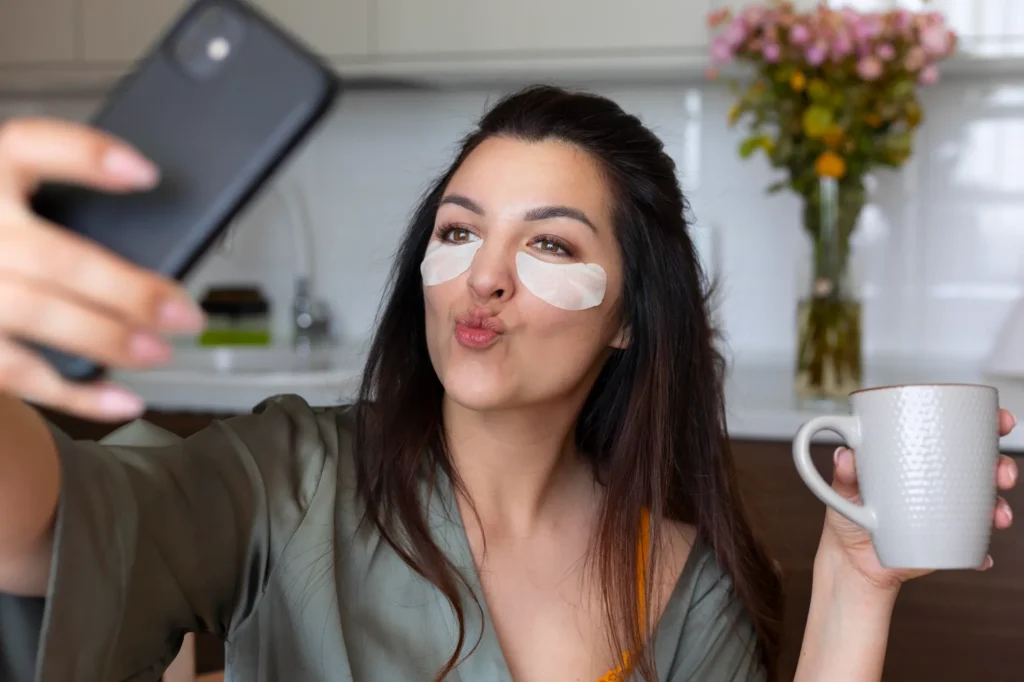
Instead of self-care as an occasional treat, Americans are choosing daily anchors:
- Mindful coffee or tea
- A midday breathing pause
- Sitting in sunlight without multitasking
These moments tell the nervous system, “I’m safe.”
Cosymaxxing—intentionally creating calm, comfortable spaces—has also taken off, especially during winter months.
Letting Go: What People Aren’t Taking Into the New Year
A quieter kind of healing
Another noticeable trend is intentional release.
People are letting go of:
- Urgency addiction
- Productivity-based self-worth
- “Shoulds” around grief, bodies, and healing timelines
- Emotional overfunctioning for others
One insight that comes up often: healing isn’t linear, and forcing it can make things worse. Sometimes the healthiest move is to pause, live, and let joy exist without improvement goals.
Why Americans Are Improving Mental Health in 2026 Matters
For Americans in 2026, mental health improvement isn’t about becoming someone new—it’s about making life feel safer and more manageable.
These habits work because they respect:
- Human limits
- Nervous system biology
- Real-world constraints
It’s a shift GlobleVide continues to document: less hustle, more honesty.
Key Takeaways (Skimmable)
- Micro-habits outperform big resolutions
- Intentions reduce pressure and shame
- Sleep and digital boundaries are foundational
- Gentle movement supports emotional regulation
- Rest is maintenance, not a reward
- Healing doesn’t need to look productive to be effective
Faqs
Related Reads on GlobleVide
- Morning Habits That Improve Mental Health, According to Experts
- How Are Americans Reducing Stress Without Medication in 2026?
- How to ACTUALLY Achieve Your Goals in 2026 (What Really Works)
- 5 Things You Should Do First Thing in the Morning to Be Happier All Day
- Affordable Lifestyle Changes for Better Health in 2026
These articles expand on habits, stress reduction, and long-term well-being.
Final Takeaway
The most powerful New Year habit Americans are adopting in 2026 isn’t discipline—it’s compassion. By choosing realistic habits and releasing impossible expectations, people are finding steadier mental health, one small decision at a time.

Editorial Note: This article follows GlobleVide’s Editorial Policy and Fact-Checking Policy.

7 For All Mankind Fall 2026: Nicola Brognano’s Y2K Denim Debut Is a Statement
7 For All Mankind has been synonymous with denim since the early 2000s, but its…
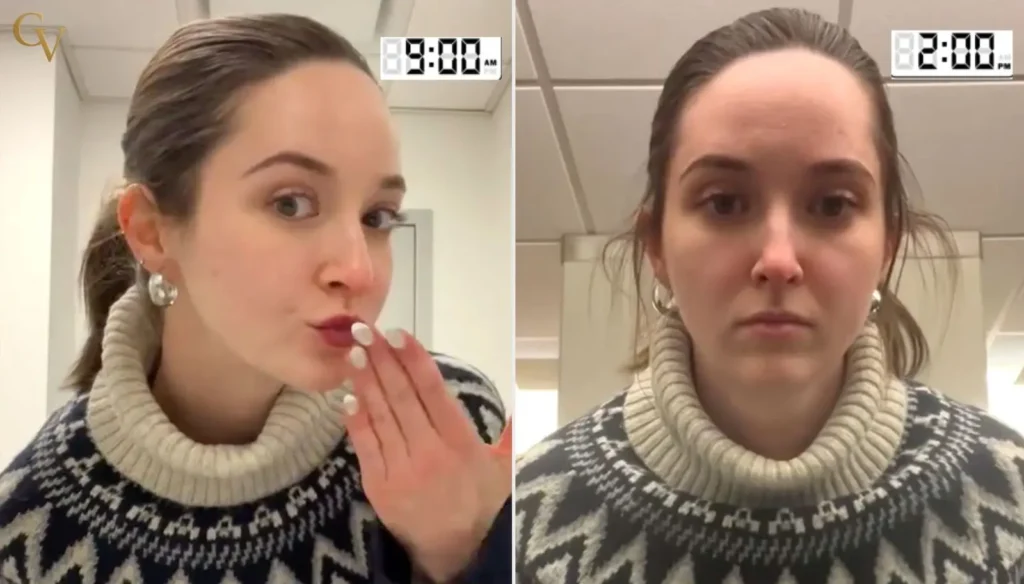
Can “Office Air” Really Wreck Your Skin and Hair by Lunchtime?
Yes, partly. Dermatologists say the low humidity common in air-conditioned and centrally heated offices can…

Most Weight Loss Drugs Help You Shed Pounds — But Not Improve Quality of Life, Major Study Finds
A large new analysis in The BMJ compared 19 weight-loss drugs across nearly 100,000 patients…

Paramount Faces a Drawn-Out Battle With State AGs Over the Warner Bros. Discovery Merger: ‘They Saw the Writing on the Wall’
Paramount Skydance has agreed to delay closing its $111 billion merger with Warner Bros. Discovery…

10 Easy Chicken Recipes Under $15 for Busy Weeknights (2026)
Tested in a real kitchen. Priced against actual 2026 grocery data. Every recipe feeds 4…
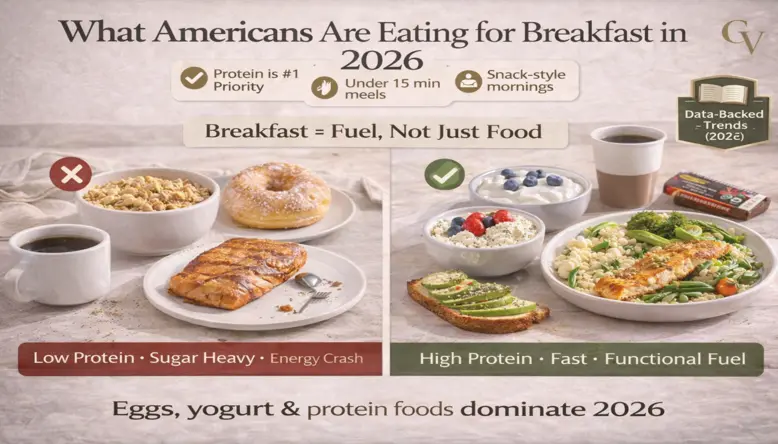
What Americans Are Eating for Breakfast in 2026 (High Protein Breakfast Trends)
In This article we use research, the real data, and the honest truth about how…
Refrence