
Last updated: January 21, 2026
Some movies feel confusing because you missed something.
Others feel confusing because the industry changed faster than audiences did.
In 2026, many moviegoers are walking out of theaters unsure of what they just watched—or why it felt so disconnected. This article breaks down what’s really causing the confusion and why it’s becoming one of the defining movie trends of the year.
Quick Answer
Many 2026 movies feel confusing because of franchise overload, streaming-era production pressures, and marketing that misrepresents what films actually are. The issue isn’t audience intelligence—it’s a systemic shift in modern filmmaking.
Why 2026 Movies Feel Harder to Follow Than Before
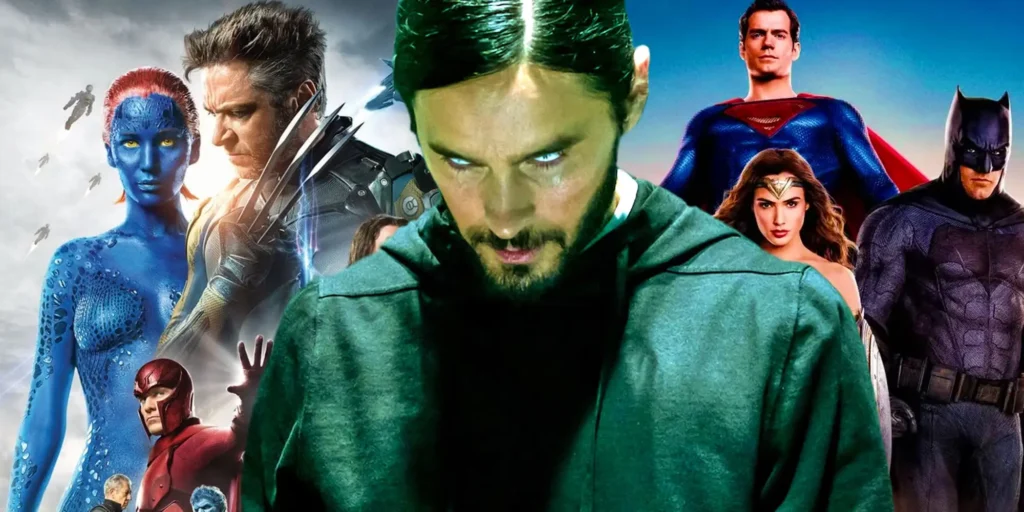
Franchise Universes Have Become Too Complicated
Yes—and it’s one of the biggest reasons audiences feel lost.
In 2026, a large portion of major releases are tied to massive cinematic universes. Movies are no longer standalone experiences; they’re chapters.
Common viewer frustrations include:
- Being expected to remember events from 5–10 previous films
- Needing to watch streaming series to understand movie plots
- Characters introduced without proper context
This creates what many viewers describe as “continuity homework.” Walking into a movie can feel like joining a conversation halfway through.
Streaming Has Changed How Movies Are Made
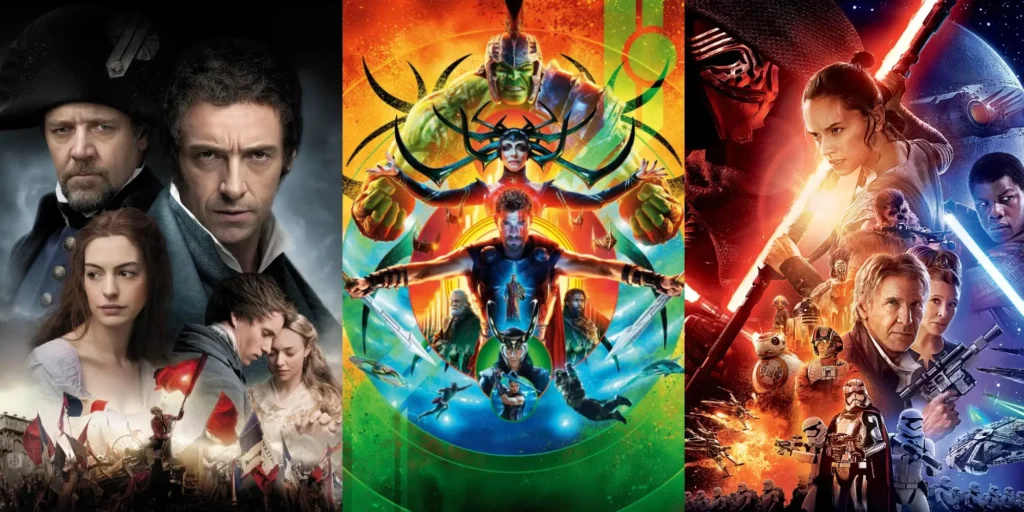
Volume Is Often Prioritized Over Narrative Clarity
The rise of streaming has reshaped Hollywood’s production pipeline—and not always for the better.
Studios are now incentivized to:
- Produce more content, faster
- Feed multiple platforms simultaneously
- Stretch stories across films and series
This often leads to movies that feel:
- Rushed or overstuffed
- Creatively unfocused
- Designed for algorithms, not audiences
Some industry voices have described this as a “confused pipeline,” where financial strategy outweighs narrative cohesion.
Marketing Often Misrepresents What a Movie Actually Is
When Marketing Creates the Wrong Expectations
Marketing has become another major source of audience confusion.
In 2026, studios frequently:
- Sell experimental films as mainstream blockbusters
- Hide key genre elements (like musicals or surreal storytelling)
- Cut trailers to appeal to the widest possible audience
When viewers expect one type of movie and get another, confusion turns into frustration—even if the film itself is well-made.
Viewers who experienced this disconnect may recognize a similar pattern discussed in our analysis of The Dutchman, where expectations played a major role in divided reactions.
What’s Different About Movie Storytelling in 2026
Movie storytelling in 2026 isn’t just changing in style—it’s changing in structure. Stories now stretch across films, streaming series, and spin-offs, making individual movies feel less self-contained than they once did.
At the same time, data-driven decision-making plays a larger role in what gets made. Algorithms influence pacing, genre blending, and even how much explanation a film includes. The result is a landscape where movies are often designed to fit ecosystems rather than stand alone.
For audiences, this shift can feel disorienting—not because stories are more complex, but because they’re being told with different assumptions about attention, context, and continuity.
Visual Storytelling Has Changed Faster Than Audience Habits
According to recent audience surveys and industry analysis conducted over the past year, more than half of regular moviegoers say modern films feel harder to follow than movies released a decade ago.
Are Movies Explaining Too Much — or Not Enough?
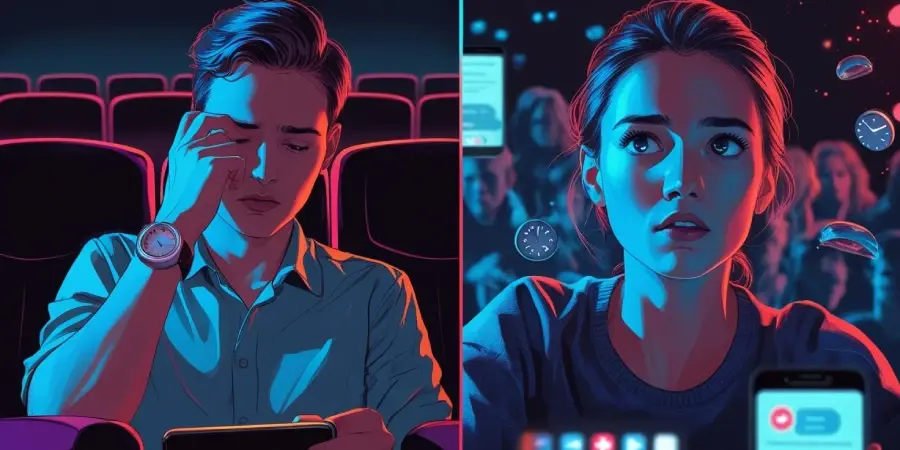
Another growing issue is extreme storytelling imbalance.
In 2026, the argument around movie exposition isn’t just a film-school debate anymore.
It’s something audiences feel—often without knowing how to describe it.
Some movies seem to explain every thought out loud. Others barely explain anything at all. And many viewers are left wondering whether films are talking down to them—or asking too much of their attention.
Over-Explanation vs. Minimalism
Modern cinema in 2026 has drifted toward two extremes, with very little middle ground.
Heavy Exposition Films: On one end, there are heavily explained blockbusters. These films spell out plot points through dialogue that feels instructional rather than natural. Characters explain their motivations. Stakes are repeated. Sometimes the movie even pauses to tell you what just happened—through narration, on-screen text, or blunt exposition.
This isn’t accidental. Studios know many viewers aren’t watching with full focus. Phones are out. Conversations happen. So filmmakers compensate by making sure the story can be followed even if you’re only half-looking at the screen.
slow-burn, minimalist films: On the other end are slow-burn, minimalist films, often from auteur-driven studios. These movies refuse to explain themselves. Meaning is buried in visuals, silence, framing, and small behavioral details. Nothing is clarified. Everything is implied.
For attentive viewers, this can feel rewarding—like the film trusts you.
For others, it can feel alienating, or even unfinished.
How Short-Form Media Has Changed Audience Expectations
The rise of short-form video has quietly reshaped how people experience long-form storytelling.
Most viewers now spend hours each week consuming content that delivers a single idea, emotion, or payoff in under a minute. Over time, this trains the brain to expect immediate clarity and fast reward.
As a result:
- Sitting through a two-hour film can feel mentally demanding
- Ambiguity is often read as confusion
- Silence feels risky instead of intentional
There’s also the second-screen effect. Many people don’t watch movies the way they used to. They multitask. They glance up. They scroll. Studios know this, and they design films that can be “understood” through audio alone.
That’s why dialogue has become more explanatory. It’s not just storytelling—it’s accessibility for distracted viewing.
In Short
Modern films often fall into two camps:
- Movies that explain every detail, assuming audiences won’t keep up
- Movies that rely on subtle cues, symbolism, and slow pacing
For audiences conditioned by:
- Short-form video
- Fast-cut content
- Instant explanations
More meditative or indirect films can feel confusing—even when they’re intentionally crafted that way.
Why Confusing Movies Can Still Succeed
Fragmented Audiences, Fragmented Reactions
Surprisingly, yes.
Streaming data and global box office trends show that:
- Films can top charts while receiving mixed or confused reactions
- Audience taste is now highly individualized
- “Success” no longer means universal understanding
A movie might resonate deeply with one group while leaving another completely disengaged—and both experiences can coexist.
This fragmentation makes it harder to define what a “good” or “clear” movie even means in 2026.
Why Movies Feel Confusion Matters to Audiences
For U.S. audiences in 2026, this growing sense of confusion reflects a deeper shift in how entertainment is created and consumed.
When movies prioritize universes, algorithms, and marketing strategies over clear storytelling, trust erodes. Viewers don’t just feel confused—they feel disconnected. Understanding this shift helps audiences choose films more intentionally and helps creators rethink how stories are told in a rapidly evolving media landscape.
Platforms like GlobleVide aim to bridge this gap by helping viewers make sense of modern media trends instead of feeling left behind by them.
Key Takeaways (Skimmable)
- Many 2026 movies feel confusing because storytelling priorities have shifted, not because audiences are less attentive.
- Expanding franchises and shared universes often require prior knowledge, making individual films harder to follow on their own.
- Streaming-era production pressures favor volume and interconnected stories over clear, standalone narratives.
- Marketing frequently sets expectations that don’t match the actual tone or structure of the film, increasing viewer frustration.
- Modern movies tend to swing between over-explaining and extreme subtlety, leaving little middle ground for audiences.
- Short-form media habits have changed how viewers process pacing, context, and ambiguity in longer films.
- Confusion doesn’t always signal failure—some films succeed by resonating deeply with specific audiences rather than everyone.
- Understanding these shifts helps viewers approach modern movies with clearer expectations and choose what to watch more intentionally.
Frequently Asked Questions
Related Reads on GlobleVide
- Is The Dutchman Worth Watching or Just Confusing?
- What Is The Dutchman Really About? A Review and Explanation of Its Meaning
- What Is We Bury the Dead Really About? A Review and Explanation of Its Meaning
- What Is Meandering Scars Really About? A Review and Explanation of Its Themes
Final Thought
Audience confusion in 2026 isn’t a failure of viewers—it’s a signal. Movies are evolving, but not always in sync with how people actually watch and understand stories. Recognizing that disconnect is the first step toward a better moviegoing experience—and better filmmaking overall.

Editorial Note: This article follows GlobleVide’s Editorial Policy and Fact-Checking Policy.

7 For All Mankind Fall 2026: Nicola Brognano’s Y2K Denim Debut Is a Statement
7 For All Mankind has been synonymous with denim since the early 2000s, but its…
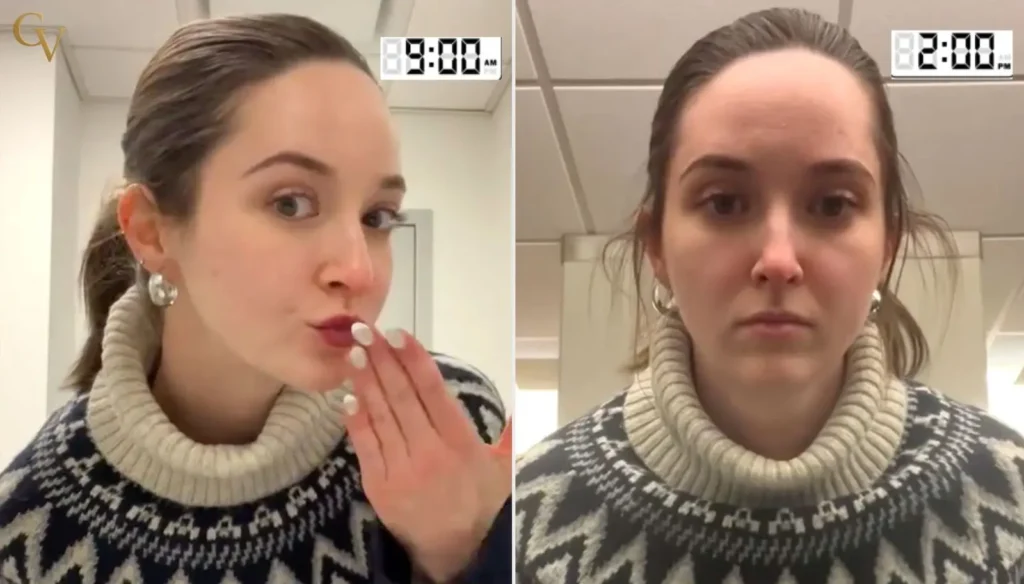
Can “Office Air” Really Wreck Your Skin and Hair by Lunchtime?
Yes, partly. Dermatologists say the low humidity common in air-conditioned and centrally heated offices can…

Most Weight Loss Drugs Help You Shed Pounds — But Not Improve Quality of Life, Major Study Finds
A large new analysis in The BMJ compared 19 weight-loss drugs across nearly 100,000 patients…
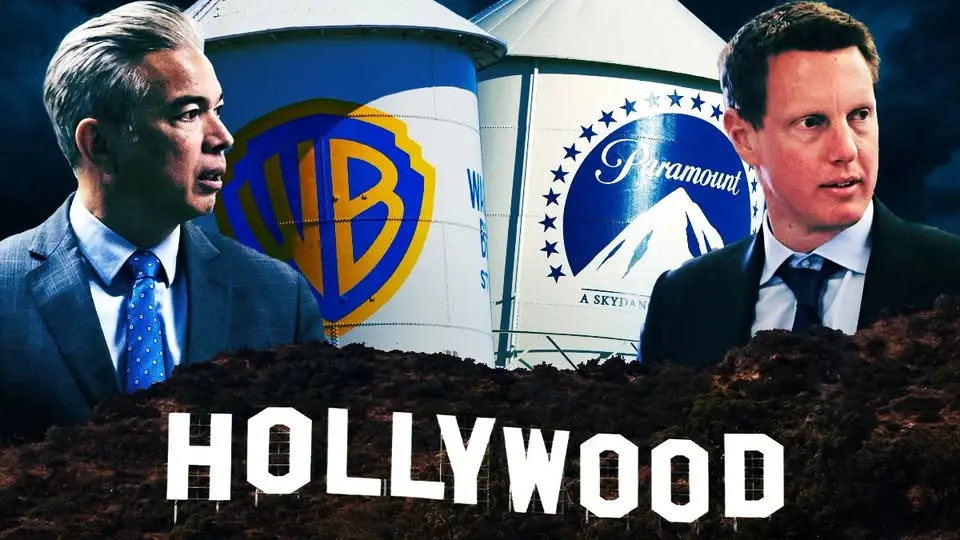
Paramount Faces a Drawn-Out Battle With State AGs Over the Warner Bros. Discovery Merger: ‘They Saw the Writing on the Wall’
Paramount Skydance has agreed to delay closing its $111 billion merger with Warner Bros. Discovery…

10 Easy Chicken Recipes Under $15 for Busy Weeknights (2026)
Tested in a real kitchen. Priced against actual 2026 grocery data. Every recipe feeds 4…
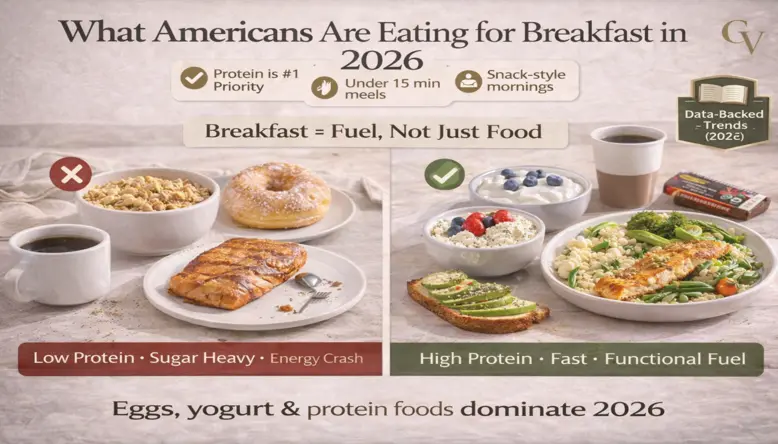
What Americans Are Eating for Breakfast in 2026 (High Protein Breakfast Trends)
In This article we use research, the real data, and the honest truth about how…
I have recently started a web site, the info you offer on this site has helped me tremendously. Thanks for all of your time & work.