
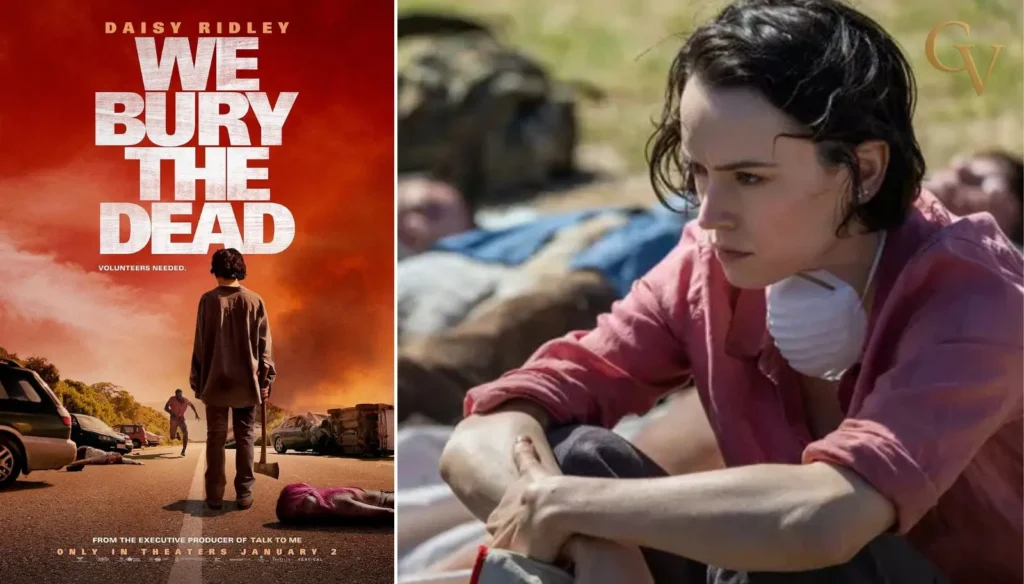
We Bury the Dead looks like a zombie movie at first glance—but it isn’t one in the way most people expect. Beneath the reanimated bodies and post-disaster setting is a quiet, emotionally heavy story about grief, guilt, and unfinished goodbyes.
In this review and explainer, GlobleVide breaks down what We Bury the Dead is really about, what its zombies symbolize, and why the film lingers long after the credits roll.
What Is We Bury the Dead About?
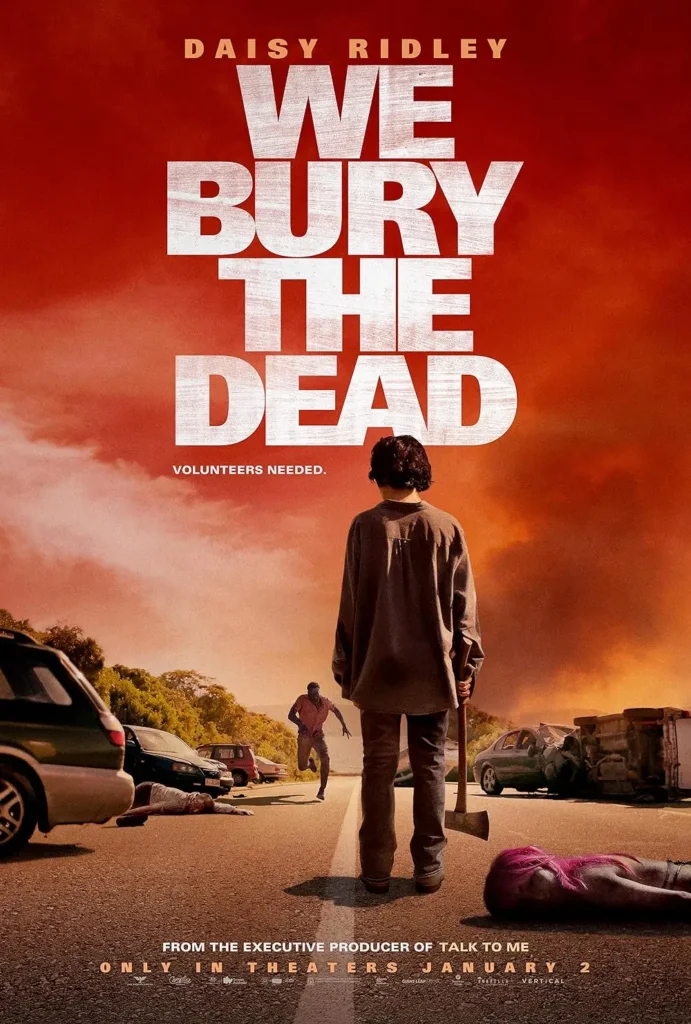
The film follows Ava, played by Daisy Ridley, after a military disaster in Tasmania causes the dead to reanimate. Ava joins a body recovery unit tasked with identifying and burying the deceased.
Her real motivation, however, is deeply personal: she is searching for her missing husband, Mitch, hoping that finding him—alive or dead—will give her closure after a troubled marriage.
What unfolds is not a survival thriller, but a character-driven journey through loss.
A Zombie Film That Subverts the Genre
Not About Survival—About Processing Loss
Unlike traditional zombie movies, We Bury the Dead is not focused on:
- Outsmarting hordes
- Rebuilding civilization
- High-intensity action
Instead, the film slows everything down—intentionally.
The apocalypse exists mainly as a backdrop for Ava’s emotional unraveling and self-reflection.
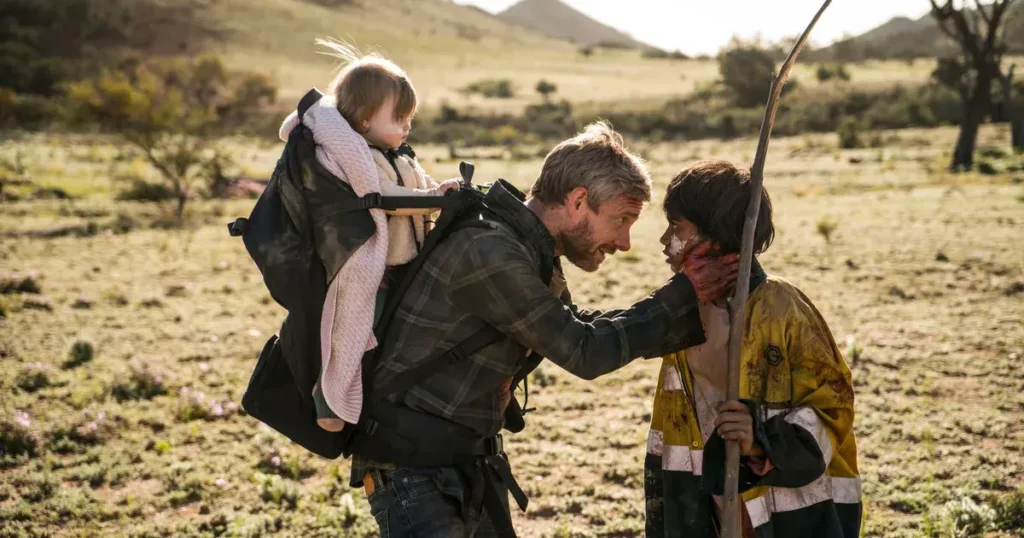
Grief and the Search for Closure
The True Core of the Story
At its heart, We Bury the Dead is about grief.
Ava’s journey reflects:
- The need for answers after loss
- The human desire to “fix” what’s already broken
- The pain of unresolved relationships
Her search for Mitch is less about rescue and more about understanding what went wrong between them.
Flashbacks as Emotional Fragments
The film uses flashbacks to reveal:
- Cracks in Ava and Mitch’s marriage
- Unspoken resentment
- Moments where closure was missed
These memories haunt Ava just as much as the reanimated dead.
Unfinished Business and Emotional Guilt
The Weight of What Was Never Said
A major theme in We Bury the Dead is unfinished business.
The film suggests that:
- The scariest things aren’t monsters
- They’re unresolved words and unmade choices
Ava’s guilt pushes her forward, forcing her to confront whether closure is even possible.
The Meaning Behind the “Slow Zombies”
Zombies as Emotional Metaphors
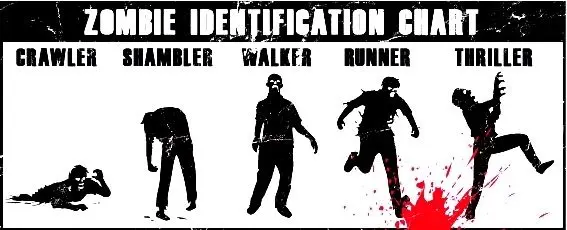
The reanimated dead in the film are slow, initially passive, and increasingly agitated.
They symbolize:
- Memories that refuse to stay buried
- Emotional wounds that resurface
- Grief that becomes more volatile over time
As Ava’s internal conflict deepens, so does the danger around her.
Hope vs. Reality
Can Closure Heal—or Just Hurt More?
Ava believes finding her husband will bring peace. The film questions this assumption.
It explores whether:
- Closure actually heals trauma
- Or simply forces us to relive it
This tension gives the film its quiet dread.
Why We Bury the Dead Feels Different
A Character-First Horror Film
What sets the film apart:
- Focus on internal struggle, not spectacle
- Horror rooted in emotion, not jump scares
- A restrained pace that mirrors grief itself
The apocalypse doesn’t scream—it whispers.
Why We Bury the Dead Matters
A Reflection of How We Process Loss Today
In a world shaped by collective trauma—pandemics, conflict, displacement—the film feels timely.
At GlobleVide, we see We Bury the Dead as a story about:
- How people carry loss
- How guilt distorts memory
- How moving forward doesn’t always mean resolution
It reminds viewers that healing is rarely clean or complete.
How This Film Fits the 2026 Cultural Moment
Stories in 2026 increasingly focus on:
- Emotional realism
- Mental health
- The quiet aftermath of disaster
We Bury the Dead fits this shift perfectly, using genre elements to tell a deeply human story.
Related Reads on GlobleVide
- What Is Meandering Scars Really About? A Review and Explanation of Its Themes
- How Americans Are Reducing Stress Without Medication in 2026
- Why Small Habits Are Replacing Big Resolutions in 2026
These stories explore grief, healing, and resilience from different angles.
Final Takeaway
We Bury the Dead isn’t about surviving the undead—it’s about living with what’s left behind.
By using a zombie apocalypse as a metaphor for grief and unresolved love, the film delivers a quiet, unsettling meditation on loss. It asks whether closure is something we find—or something we learn to live without.
At GlobleVide, we see We Bury the Dead as a reminder that the most haunting journeys aren’t through ruined landscapes—but through our own memories.
Faqs


7 For All Mankind Fall 2026: Nicola Brognano’s Y2K Denim Debut Is a Statement
7 For All Mankind has been synonymous with denim since the early 2000s, but its…
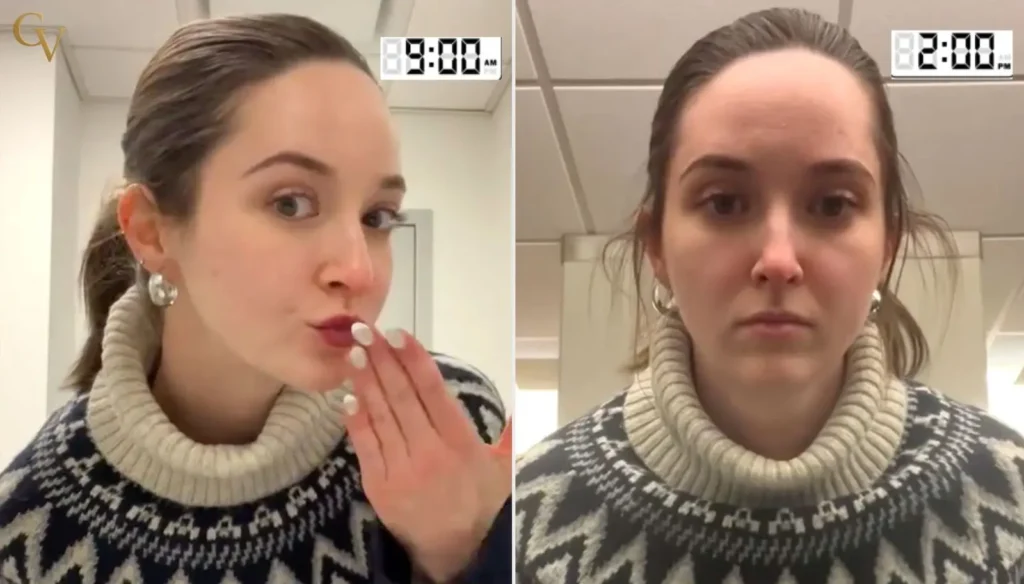
Can “Office Air” Really Wreck Your Skin and Hair by Lunchtime?
Yes, partly. Dermatologists say the low humidity common in air-conditioned and centrally heated offices can…

Most Weight Loss Drugs Help You Shed Pounds — But Not Improve Quality of Life, Major Study Finds
A large new analysis in The BMJ compared 19 weight-loss drugs across nearly 100,000 patients…
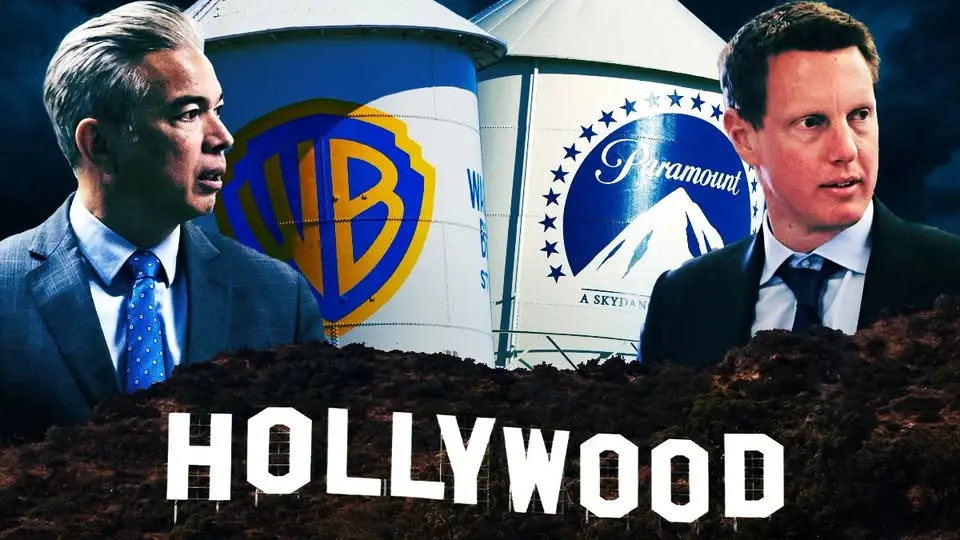
Paramount Faces a Drawn-Out Battle With State AGs Over the Warner Bros. Discovery Merger: ‘They Saw the Writing on the Wall’
Paramount Skydance has agreed to delay closing its $111 billion merger with Warner Bros. Discovery…

10 Easy Chicken Recipes Under $15 for Busy Weeknights (2026)
Tested in a real kitchen. Priced against actual 2026 grocery data. Every recipe feeds 4…

What Americans Are Eating for Breakfast in 2026 (High Protein Breakfast Trends)
In This article we use research, the real data, and the honest truth about how…
You are my aspiration, I possess few blogs and very sporadically run out from to brand.