
Last updated: January 3, 2026
Meandering Scars is not just a documentary about climbing a mountain—it’s a deeply human story about survival, identity, and redefining what strength looks like after trauma. At its core, the film follows a real-life journey that challenges how society views disability, resilience, and mental health.
In this review and explainer, GlobleVide looks at what Meandering Scars is really about—and why its message resonates far beyond the screen.
What Is Meandering Scars About?
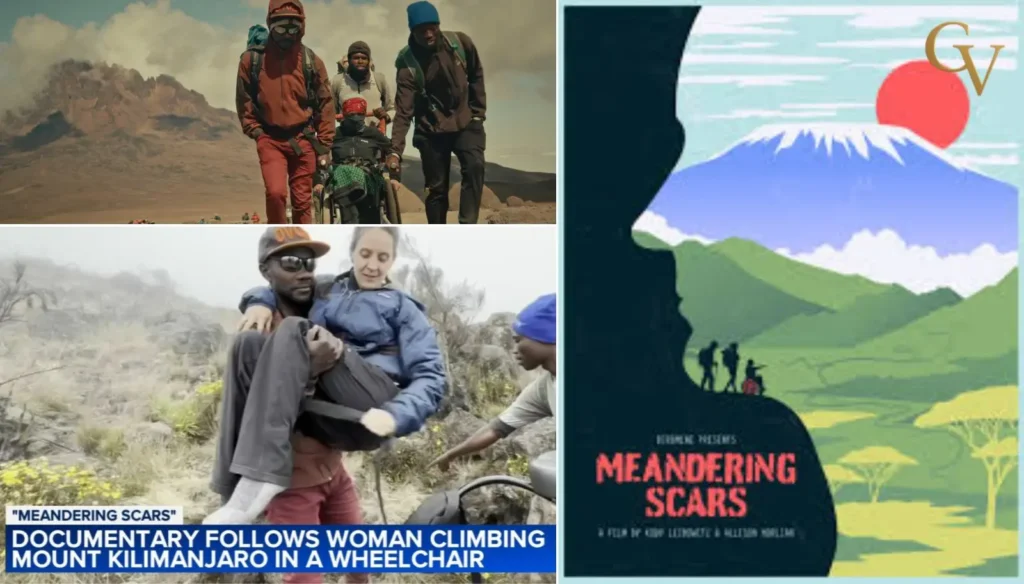
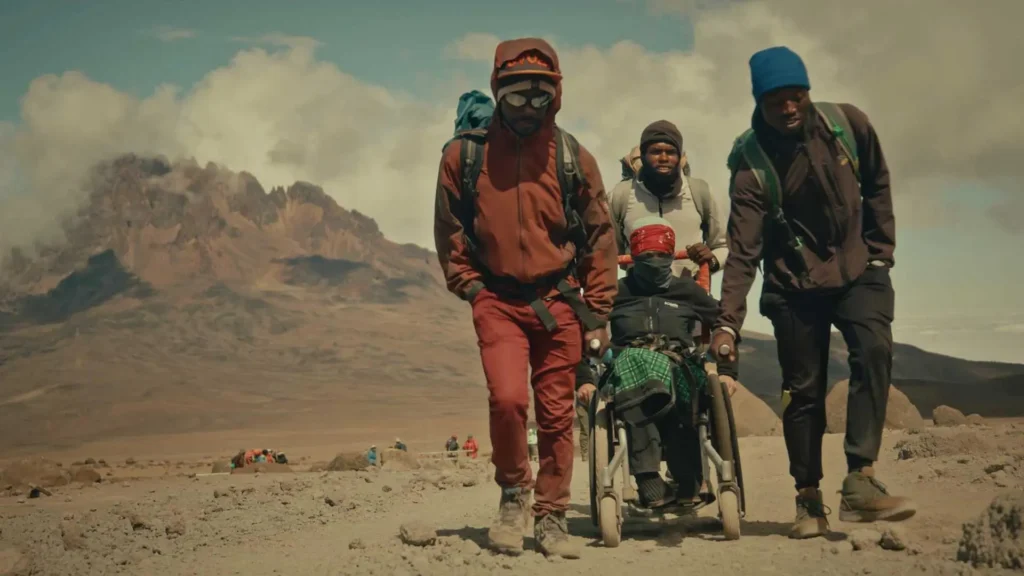
At the center of the documentary is Erika Bogan, a domestic violence survivor who was paralyzed in her twenties. The film follows her attempt to climb Mount Kilimanjaro in a wheelchair—an extraordinary physical challenge that becomes a framework for a much deeper emotional and social story.
Rather than focusing on spectacle, the film uses the climb to explore:
- Life after trauma
- Living with disability
- Mental health and survival
- The power of community and purpose
A Documentary That Rejects Simplistic Narratives
Beyond the “Inspiration” Trope
One of the most important choices Meandering Scars makes is what it avoids.
The film does not frame disability as something to be “overcome.” Instead, it presents Erika and her team as whole, complex people—capable, vulnerable, humorous, frustrated, and determined.
This approach challenges the familiar “triumph-over-adversity” storyline and asks viewers to reconsider how disabled lives are portrayed.
Disability Rights and Representation at the Core
Changing How Society Sees Disability
A central theme of Meandering Scars is disability representation.
The film highlights:
- How society often underestimates people with disabilities
- The lack of visibility for disabled voices
- The importance of representation without pity
By showing ambition, leadership, and agency, the documentary pushes back against narrow definitions of ability.
Mental Health and Suicide Awareness
An Often-Overlooked Crisis
One of the most powerful and difficult themes in Meandering Scars is mental health—particularly suicide awareness within the disability community.
The documentary openly addresses:
- Suicidal ideation
- Depression after life-altering injury
- The emotional isolation many disabled individuals face
Erika’s story emphasizes that physical injury doesn’t exist in isolation—it deeply affects mental well-being.
Opening Conversations That Save Lives
Rather than offering easy answers, the film creates space for honesty. It shows how:
- Community support can reduce isolation
- Purpose can help anchor mental health
- Talking openly can break stigma
This makes the documentary as much about prevention and awareness as it is about personal achievement.
Healing as a Journey, Not a Destination
The Mountain as a Metaphor
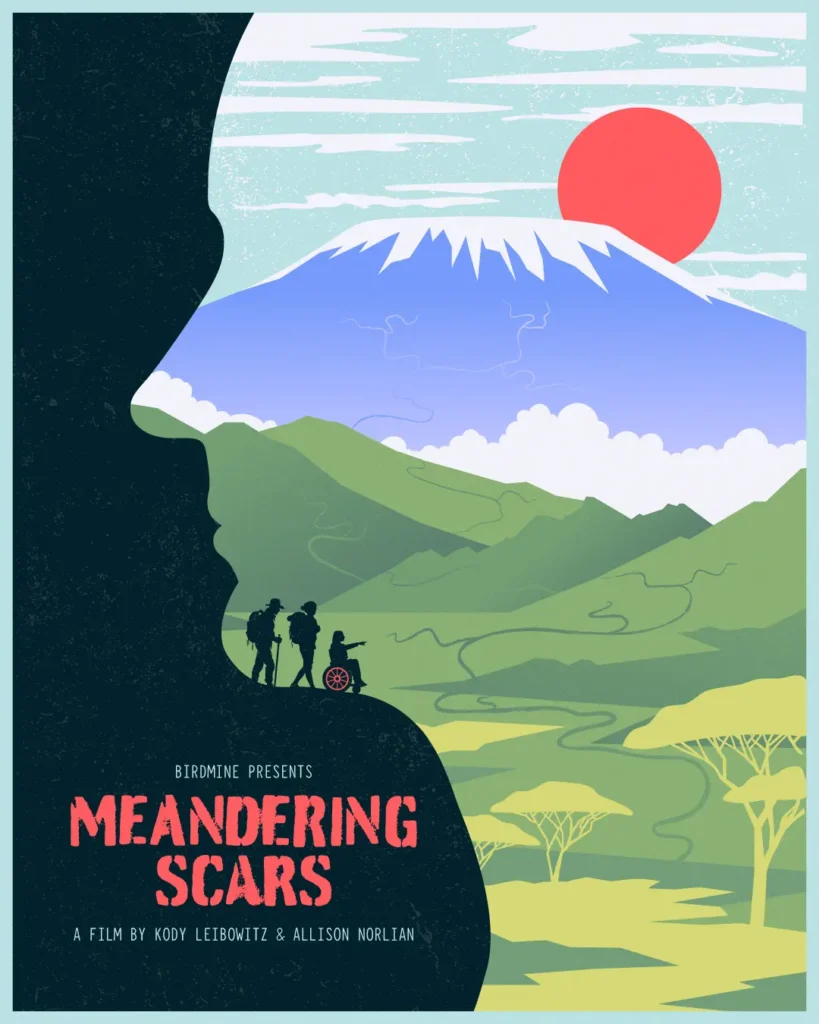
The Kilimanjaro climb works as a metaphor rather than a goal.
It represents:
- Emotional healing
- Reclaiming agency
- Learning to live with scars—visible and invisible
The film makes it clear that healing isn’t linear, dramatic, or final. It’s ongoing.
The Power of Community and Collective Strength
More Heart Than Scars
The documentary highlights the role of the nonprofit More Heart Than Scars, an organization that helps people with disabilities take on physical challenges like obstacle course races and endurance events.
This community-driven approach reinforces a core message:
- Big achievements rarely happen alone
- Support systems matter
- Collective effort can change lives
The climb is not just Erika’s—it’s shared.
Redefining Limitations and Strength
“More Heart Than Scars” as a Philosophy
The title itself becomes a guiding idea.
The film argues that:
- Scars don’t define worth
- Limitations are often socially constructed
- Heart, persistence, and support can open unexpected paths
Climbing a mountain in a wheelchair becomes a symbol—not of exceptionalism, but of possibility.
Why Meandering Scars Matters
A Film With Social Impact
Meandering Scars matters because it does more than tell a story—it advocates for change.
It contributes to:
- Disability awareness
- Mental health conversations
- More honest representation in media
At GlobleVide, we see this documentary as part of a broader cultural shift toward storytelling that centers dignity, nuance, and lived experience.
Why This Story Resonates in 2026
In a time when conversations around mental health, inclusion, and representation are evolving, the film feels especially relevant. It reminds viewers that progress isn’t just technological—it’s human.
Related Reads on GlobleVide
- How Americans Are Reducing Stress Without Medication in 2026
- Why Small Habits Are Replacing Big Resolutions in 2026
- What Mental Health Looks Like in Everyday Life Today
These stories explore resilience, well-being, and adaptation in modern life.
Final Takeaway
Meandering Scars is not about conquering a mountain—it’s about navigating life after profound trauma in a world that often misunderstands disability.
By centering honesty, community, and mental health awareness, the documentary offers something rare: a story that doesn’t simplify pain or resilience. It invites viewers to rethink strength, success, and what it truly means to heal.
At GlobleVide, we see Meandering Scars as a meaningful reminder that the most powerful journeys are often internal—and that scars do not diminish worth.
Faqs


7 For All Mankind Fall 2026: Nicola Brognano’s Y2K Denim Debut Is a Statement
7 For All Mankind has been synonymous with denim since the early 2000s, but its…
Can “Office Air” Really Wreck Your Skin and Hair by Lunchtime?
Yes, partly. Dermatologists say the low humidity common in air-conditioned and centrally heated offices can…

Most Weight Loss Drugs Help You Shed Pounds — But Not Improve Quality of Life, Major Study Finds
A large new analysis in The BMJ compared 19 weight-loss drugs across nearly 100,000 patients…

Paramount Faces a Drawn-Out Battle With State AGs Over the Warner Bros. Discovery Merger: ‘They Saw the Writing on the Wall’
Paramount Skydance has agreed to delay closing its $111 billion merger with Warner Bros. Discovery…

10 Easy Chicken Recipes Under $15 for Busy Weeknights (2026)
Tested in a real kitchen. Priced against actual 2026 grocery data. Every recipe feeds 4…
What Americans Are Eating for Breakfast in 2026 (High Protein Breakfast Trends)
In This article we use research, the real data, and the honest truth about how…