

Last updated: January 7, 2026
Some food names sound ancient and authentic—until you try to order them.
Ceıvır is one of those terms that sparks curiosity, then confusion.
If you’ve seen Ceıvır described as a traditional Turkish dish, this article explains what the name really refers to, how it connects to Turkish cooking, and why it keeps showing up online.
What Is Ceıvır? (Quick Answer)
Ceıvır isn’t a standardized Turkish dish you’ll find in cookbooks or restaurants.
It’s best understood as a descriptive or symbolic label tied to traditional Turkish meat-cooking methods—especially slow-cooked or “turned” meats—rather than a single recipe.
The Mystery of the “Ghost Dish”
I first noticed the word Ceıvır not in Turkey, but online—used confidently, as if everyone should know it. When I asked Turkish home cooks about it, the reaction was consistent: “We don’t call anything that—but we cook like that all the time.”
That gap between name and reality is where the story of Ceıvır really begins.
What I Discovered in a Turkish Home Kitchen
From spending time in Turkish home kitchens like Nato Restaurant, Nostra Casa, Antep Kebap, and traditional spots such as Erzincanlı Ali Baba, and through conversations with everyday cooks—not chefs or restaurateurs—I learned that Turkish food culture values methods over labels. Many meals don’t have one fixed name. They’re defined by how the meat is prepared, how long it cooks, and who it feeds.
Ceıvır fits squarely into that tradition.
Is Ceıvır an Actual Dish in Turkish Cuisine?
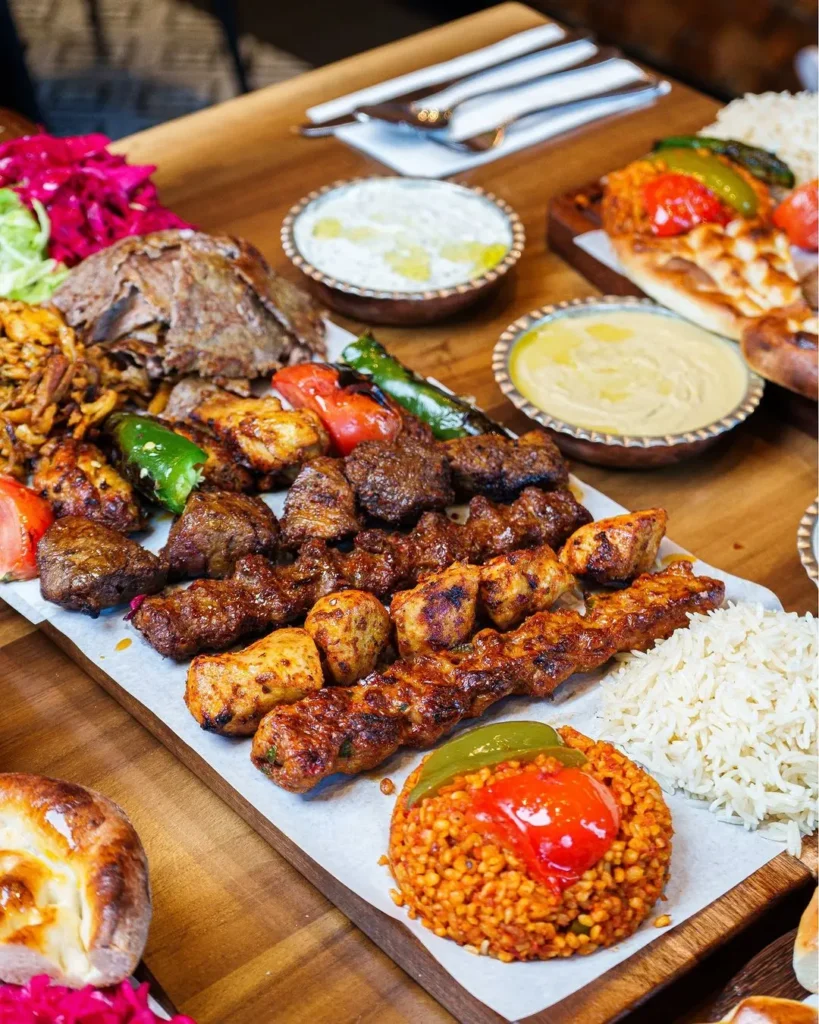
Or is it describing a cooking style?
Short answer: it’s describing a style, not a menu item.
Unlike clearly defined dishes (like kebabs or stuffed vegetables), Ceıvır doesn’t appear in:
- Traditional Turkish cookbooks
- Regional restaurant menus
- Culinary records tied to a specific region
Instead, it’s often used online to summarize classic Anatolian meat cooking.
If you enjoy understanding how food names shift across cultures, you may also find it helpful to read What Is Pravi Celer? Meaning, Health Benefits, and How It’s Used, which explains how a familiar ingredient can take on different meanings in regional food discussions.
Where Does the Name “Ceıvır” Likely Come From?
A linguistic clue most articles miss (Information Gain)
Here’s something missing from most top-ranking articles:
The term likely connects to the Turkish verb çevir, meaning “to turn.”
Turning meat—on skewers, over open fire, or gently rotating it in a pot—has been central to Turkic cooking for centuries. Ceıvır appears to be a phonetic or adapted form used outside Turkey to describe that tradition.
Information Gain: Ceıvır isn’t misnamed food—it’s a misapplied verb turned into a noun, which explains why locals don’t recognize it as a dish.
Why Do People Search “Ceıvır”?
Many people search for “Ceıvır” after encountering the term in translated food articles, cultural summaries, or online descriptions of Turkish cuisine. Because the word sounds like a specific dish name, readers often assume it refers to a defined recipe, when it’s more accurately used to describe a traditional style of meat cooking rather than a formal menu item.
What Does “Ceıvır-Style” Food Taste Like?
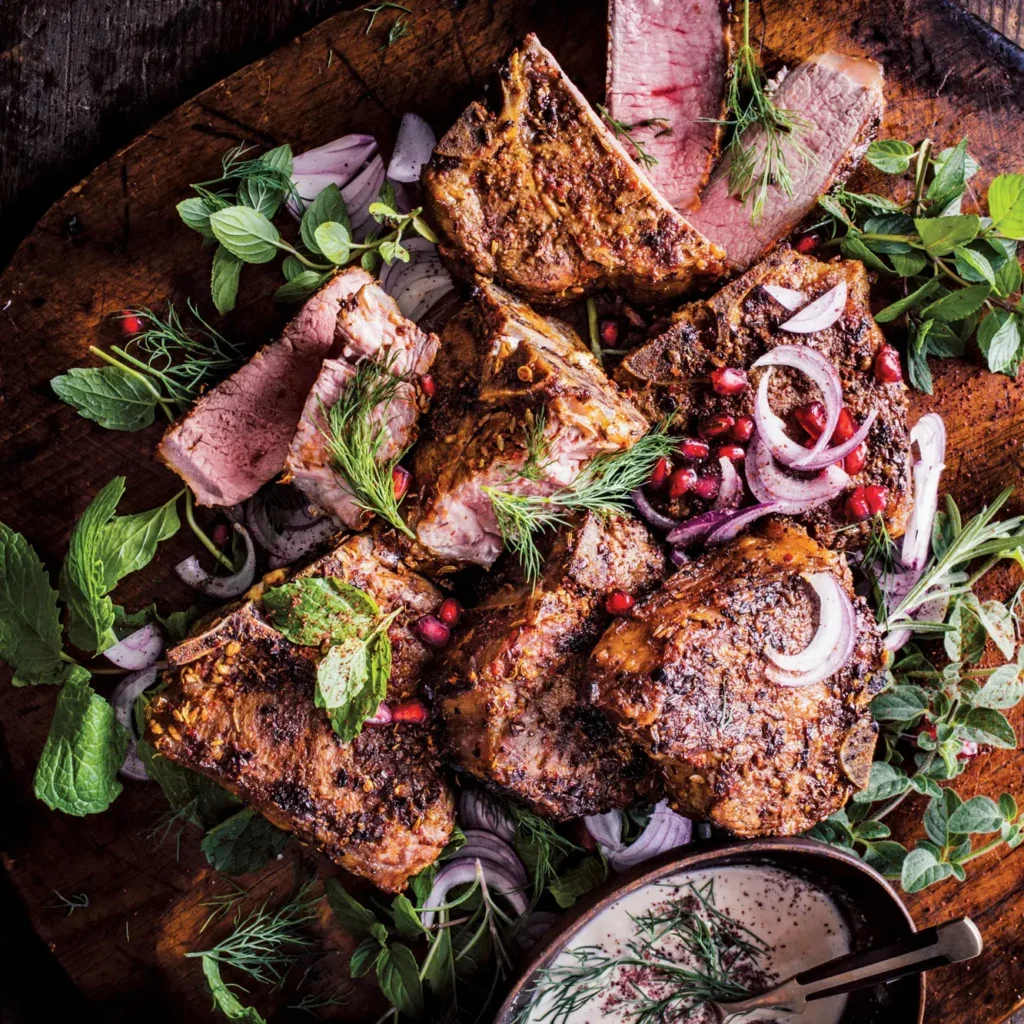
Familiar, comforting, and deeply savory
When people describe Ceıvır, they’re usually describing flavors common in many Turkish homes:
- Tender lamb or beef
- Warm spices like cumin and black pepper
- Onions and tomatoes cooked down slowly
- Fresh herbs (parsley or mint) added at the end
If you’ve eaten a slow-cooked Turkish stew or kebab plate, you already know this taste.
For readers interested in building everyday meals around simple, traditional ingredients, our guide on How to Build a Healthy Grocery List on a Budget (U.S. Edition 2026) breaks down how staples like vegetables, grains, and proteins fit into affordable, balanced cooking.
How Is Ceıvır (Conceptually) Made?
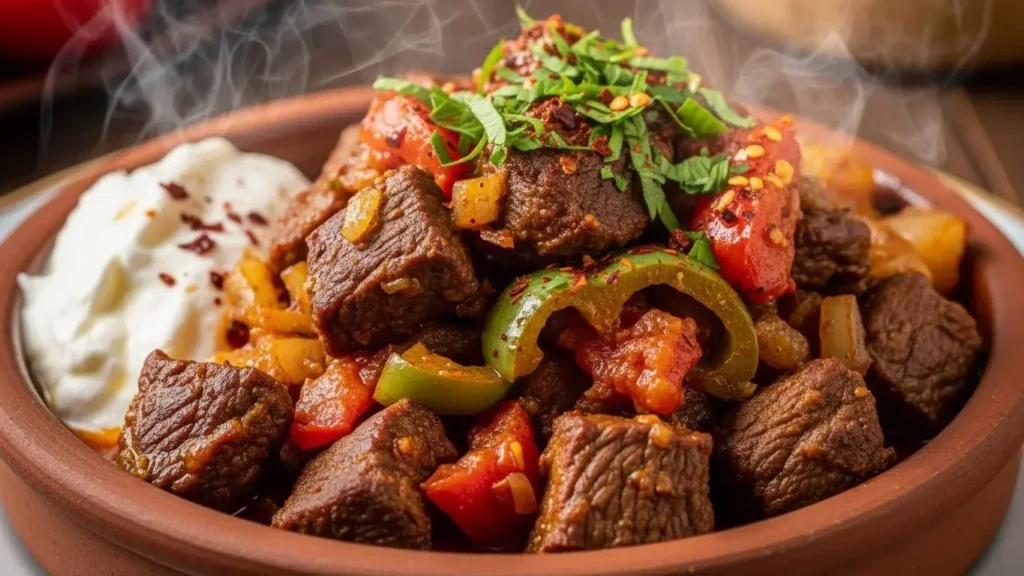
Common preparation pattern
While there’s no official recipe, the process usually looks like this:
- High-quality lamb or beef
- Marinated lightly with olive oil, garlic, and spices
- Slow-cooked in a pot, clay vessel, or over fire
- Served with bread, bulgur or rice, salad, and yogurt
This same patient, ingredient-first approach shows up in many dishes we’ve explored on GlobleVide, especially when discussing traditional food cultures.
If you’re curious how individual ingredients support everyday nutrition, Health Benefits of Almonds: Why Americans Are Eating More Nuts in 2026 explores another traditional food that remains relevant in modern diets.
Are There Regional Versions?
Yes—but that’s the point.
Instead of one dish changing regionally, many regional dishes fit the Ceıvır idea:
- Eastern Turkey: richer spices
- Central Anatolia: simple, meat-forward cooking
- Coastal areas: lighter proteins and herbs
Ceıvır acts like a conceptual umbrella.
Since Ceıvır-style dishes are typically protein-forward, our article Best High-Protein Foods Americans Should Eat Daily offers a broader look at how animal and plant proteins fit into a balanced diet.
Why Ceıvır Matters
For U.S. readers exploring global cuisine, understanding Ceıvır helps avoid a common trap: assuming every traditional food has a fixed name and recipe.
Turkish cuisine is method-driven, not label-driven. Recognizing that difference deepens cultural understanding—and prevents misinformation. That clarity is exactly why GlobleVide focuses on context, not clickbait.
Key Takeaway (Skimmable)
- Ceıvır is not a restaurant dish
- It reflects traditional Turkish meat-cooking methods
- The name likely evolved from çevir (“to turn”)
- The flavors are real—even if the label isn’t
- Understanding the method matters more than the name
Related Reads on GlobleVide
- What Is Pravi Celer? Meaning, Health Benefits, and How It’s Used
- How to Build a Healthy Grocery List on a Budget (U.S. Edition 2026)
- Healthy Snacks Americans Love: Affordable Options for 2026
- Best High-Protein Foods Americans Should Eat Daily
- Health Benefits of Almonds: Why Americans Are Eating More Nuts in 2026
Conclusion
Ceıvır isn’t a dish you order—it’s an idea you taste. It represents slow cooking, shared meals, and traditions passed down without needing a name. Once you understand that, the confusion disappears—and the culture comes into focus.
Frequently Asked Questions

Editorial Note: This article follows GlobleVide’s Editorial Policy and Fact-Checking Policy.

7 For All Mankind Fall 2026: Nicola Brognano’s Y2K Denim Debut Is a Statement
7 For All Mankind has been synonymous with denim since the early 2000s, but its…

Can “Office Air” Really Wreck Your Skin and Hair by Lunchtime?
Yes, partly. Dermatologists say the low humidity common in air-conditioned and centrally heated offices can…

Most Weight Loss Drugs Help You Shed Pounds — But Not Improve Quality of Life, Major Study Finds
A large new analysis in The BMJ compared 19 weight-loss drugs across nearly 100,000 patients…

Paramount Faces a Drawn-Out Battle With State AGs Over the Warner Bros. Discovery Merger: ‘They Saw the Writing on the Wall’
Paramount Skydance has agreed to delay closing its $111 billion merger with Warner Bros. Discovery…

10 Easy Chicken Recipes Under $15 for Busy Weeknights (2026)
Tested in a real kitchen. Priced against actual 2026 grocery data. Every recipe feeds 4…

What Americans Are Eating for Breakfast in 2026 (High Protein Breakfast Trends)
In This article we use research, the real data, and the honest truth about how…
You can definitely see your expertise in the work you write. The world hopes for more passionate writers like you who are not afraid to say how they believe. Always follow your heart. “In America, through pressure of conformity, there is freedom of choice, but nothing to choose from.” by Peter Ustinov.